Theatres Trust calls Royal Function Rooms plans ‘unserious’
Heritage bodies say the case for conversion has not been made, and the final stop for Medway’s missing rail monument

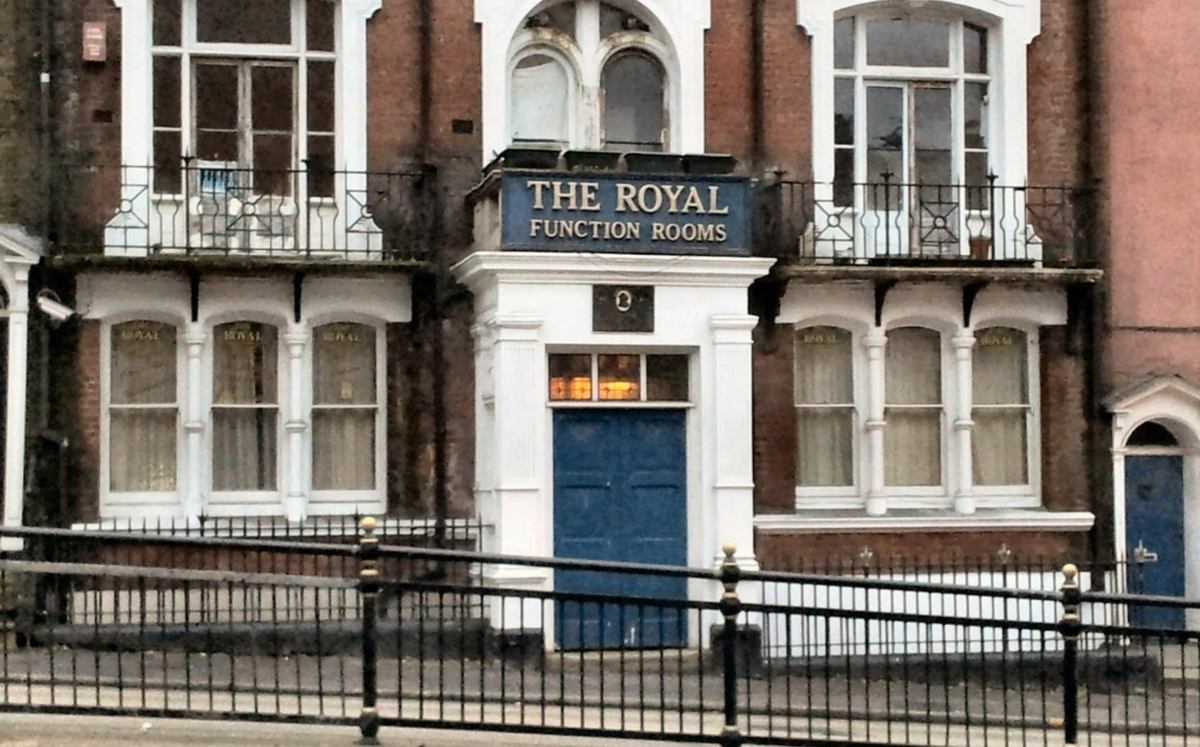
Plans to turn Rochester’s historic Royal Function Rooms into housing would preserve much of the old theatre space while permanently ending its public use. Now, the Theatres Trust and a growing collection of heritage bodies are questioning whether anyone has properly demonstrated that a cultural or community future for the building is no longer viable.
Theatres Trust calls Royal Function Rooms plans ‘unserious’
When plans were submitted to convert Rochester’s Royal Function Rooms into housing, the applicants considered other uses the building could serve.
A cinema was apparently considered. So was a swimming pool. Indoor and outdoor sports were ruled out too.
The possibility of the theatre possibly being used as a theatre or venue received rather less attention. The national body responsible for protecting theatres has now noticed.
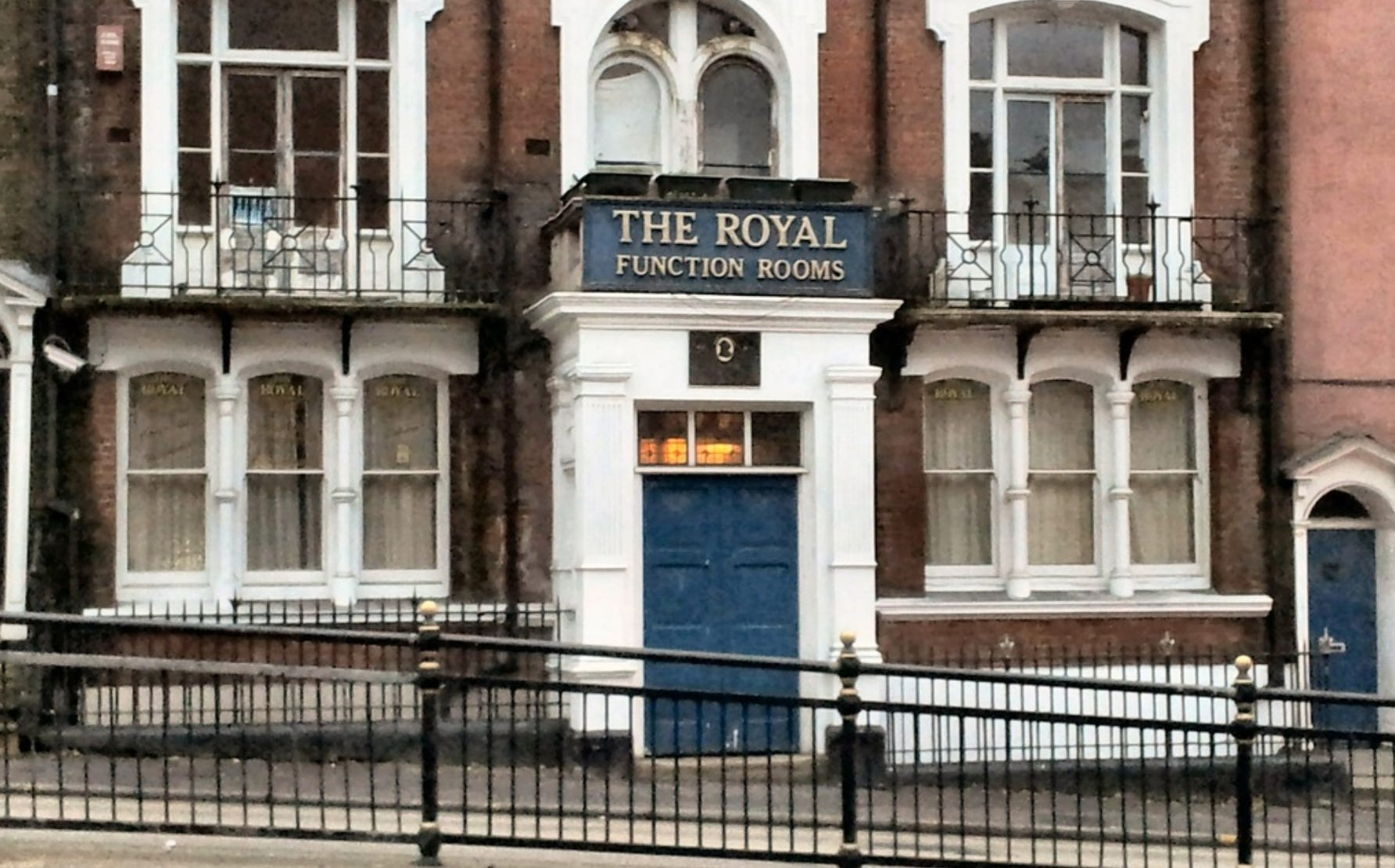
The Theatres Trust has formally objected to plans to convert the historic venue on Star Hill into housing, describing the applicant’s consideration of alternative uses as an “unserious attempt” and its case for losing the venue as “wholly inadequate.”
The application has also been called into Medway Council’s Planning Committee at the request of ward councillors in Rochester West and Borstal. That means its fate will ultimately be decided by a panel of councillors rather than planning officers.
When we first reported on the plans in May, the proposal looked relatively straightforward. The Royal Function Rooms had been empty since the end of 2022. The building is Grade II listed and needs a viable future. Medway needs housing.
 Ed Jennings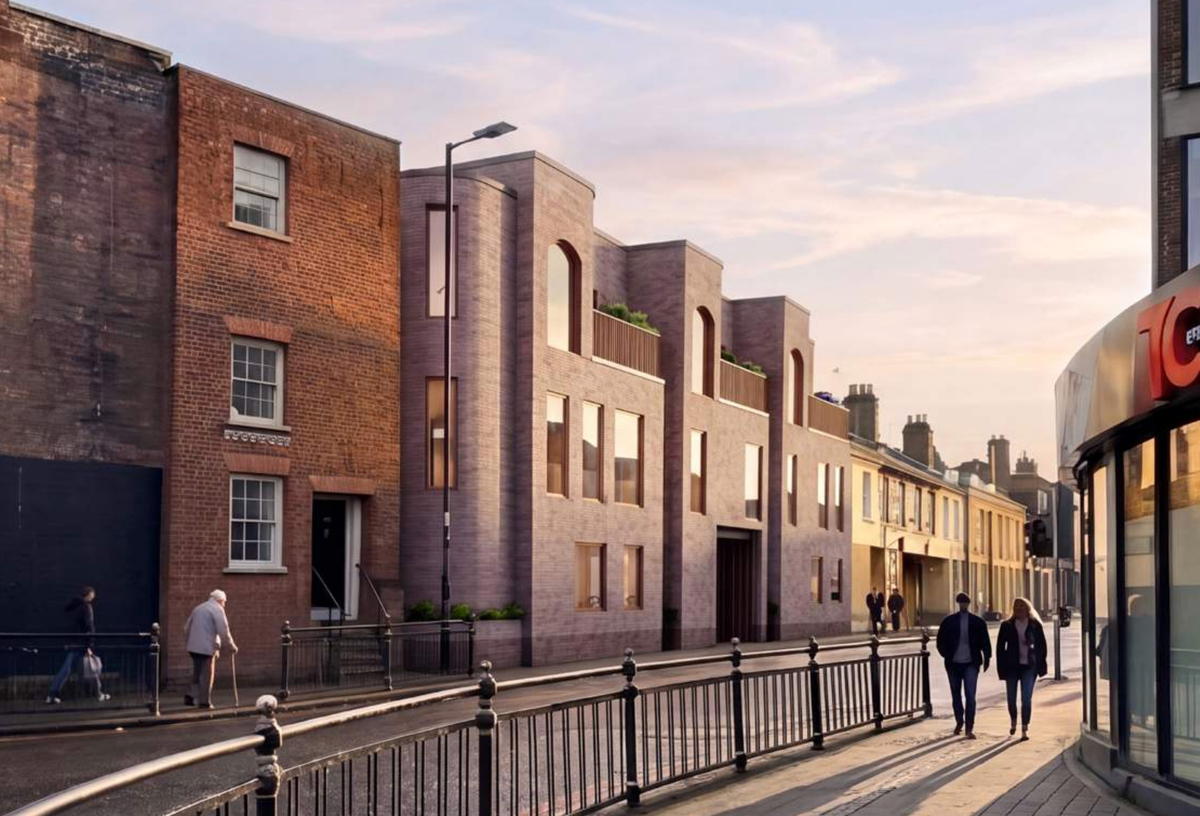
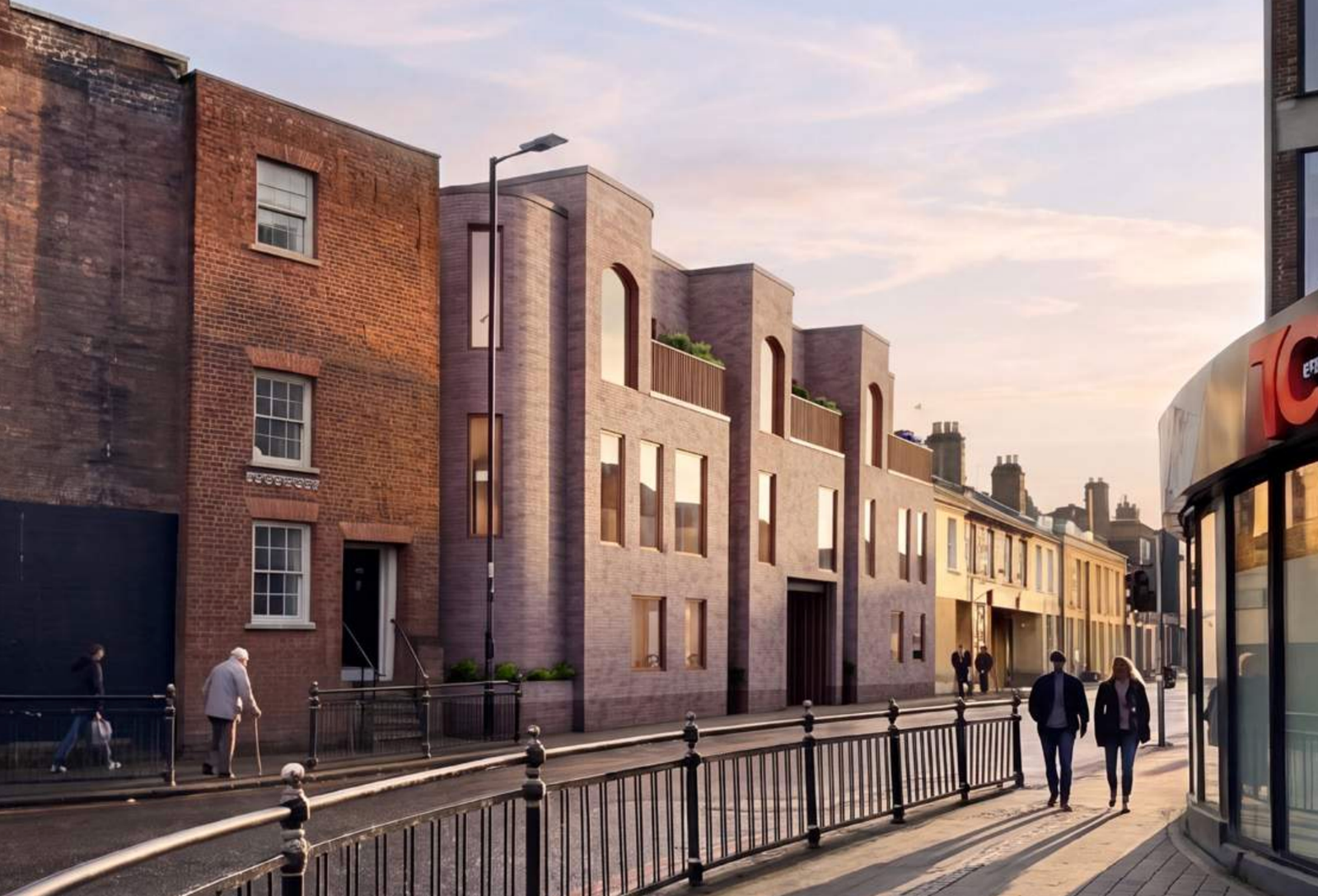
The plans would convert the site into eight homes. Five would be created within the existing buildings, with three new townhouses constructed at the rear of the site on Victoria Street. The 20th-century extension would be demolished, while the historic theatre volume, stage and proscenium arch would largely survive.
They just would not be available to the public.
Instead, the old performance space would become part of a large private home, preserving the theatre's physical features while permanently ending its use as a venue. The applicants argue that the scheme would secure the long-term future of the listed building, bring a vacant site back into use and retain important historic features.
The problem is how the building became vacant in the first place.
The Royal Function Rooms and the smaller Billabong Club were still hosting events until the end of 2022, when their operators were given notice to leave. Ranscombe Studios, which operated beneath the venue, also had to relocate.
When we first looked at the application, one claim stood out. The planning statement suggested the site had remained empty since an earlier pre-application submission in 2019.
It had not. The Royal Function Rooms and Billabong continued operating for another three years.
The application also considered alternative leisure uses for the building, including cinemas, swimming pools and indoor and outdoor sports. These were deemed infeasible due to the site's size and the significance of the theatre space and stage.
As we noted at the time, nobody was seriously arguing that the Royal Function Rooms should be converted into a swimming pool. What appeared to receive considerably less attention was whether a building containing a theatre space and stage could continue to be used for performances.
The Theatres Trust has now reached much the same conclusion.
The Trust is the national advisory public body for theatres and a statutory consultee on planning applications involving theatre sites. Its response to the Royal Function Rooms application is unusually direct.
It says the venue “closed only because the operator was given notice, not because it failed.” The building, it argues, had already been in a “long-standing and seemingly viable use” compatible with its form and function, and no evidence has been provided to demonstrate that this could not continue.
It describes the planning statement as “wholly inadequate” in demonstrating why the cultural use should be lost.
Then it gets to the swimming pool.
The Trust notes that the applicant considered alternative uses, including cinemas, swimming pools, and indoor and outdoor sports, but did not properly test the continued use of theatre or live performance.
“Having recognised the form and significance of the theatre space, it is challenging to comprehend why that sort of use could not have been considered first,” it says.
“The reference to swimming pools and outdoor sports areas in this context suggests an unserious attempt by the applicant to conduct this exercise.”
It also takes issue with the suggestion that the venue had been empty since 2019, saying the wording could be “construed as misleading.” The Theatres Trust has formally objected to permission being granted unless the applicant provides “detailed and robust evidence” demonstrating that all efforts to return the building to theatre or live performance use have been exhausted.
If that were the only specialist body raising concerns, it might be possible to dismiss the objection as the organisation responsible for protecting theatres doing its job.
It isn’t.
The Council for British Archaeology says the proposed conversion would harm the building’s historic and architectural significance, including by reducing the legibility of its historic use and internal form. More importantly, it says the applicant has not adequately demonstrated that continued recreational or theatre use is not a viable and sustainable option.
It recommends that the application is withdrawn to allow a detailed options appraisal into retaining the building in its current use. If it is not withdrawn, the CBA recommends refusing it.
The Georgian Group has also called for the proposals to be withdrawn. It describes the building as having “exceptional significance” because of its historic role as one of England’s earliest purpose-built provincial theatres, with that significance still evident in the surviving theatre space.
The group concludes that the current proposals would harm the significance of the listed building and recommends that both the planning application and a separate application for listed building consent be withdrawn while the applicant re-engages with statutory consultees.
Historic Buildings & Places says there is “no evidence or justification” for the change of use or to demonstrate that there is no demand for a community or entertainment space. The fact that the venue was in regular use until only a few years ago, it argues, makes that an essential question before a change of use can be justified.
The wording varies. The underlying problem does not. None of these organisations is convinced that the case has been made for permanently ending the building’s public and cultural use.
Historic England takes a more measured position. It describes the former Theatre Royal as a rare surviving 18th-century theatre space and an important part of Rochester’s cultural heritage. Its changing uses over more than two centuries, most recently as a live music and events venue, represent a long history of public and community use.
It considers that converting the auditorium into housing would cause some harm to the listed building and says it is “not currently clear” whether other uses have been properly considered. Rather than insisting the building must return to use as a theatre, it suggests another possibility: the auditorium could be retained in its entirety as a publicly accessible café or community space, allowing its historic use to remain legible while maintaining public access.
If residential conversion is really the only viable option, Historic England says the resulting harm would need a clear and convincing justification.
The City of Rochester Society has also objected to the change of use, saying the site was a valued performance and studio space until the applicant closed it. It raises further concerns about alterations to the listed building, the proposed new homes on Victoria Street and the safety of the new vehicle access.
Then there is Dr Jean Baker, who knows rather more than most about how the building came to exist in the first place.
Baker is the author of Sarah Baker and her Kentish Theatres 1737-1816: Challenging the Status Quo. Sarah Baker established the original Rochester theatre on the site in 1791, as part of a remarkable career that saw her build and operate theatres across Kent at a time when women were not generally expected to do anything of the sort.
According to Jean Baker, Rochester was the last of Sarah Baker’s four Kentish theatre sites to remain in use as a performance venue until the Royal Function Rooms closed. She argues that the building should continue to “serve and enrich the lives of the Rochester community as it has, through all the trials and tribulations of the last 235 years.”
Rochester and Strood MP Lauren Edwards has also objected, describing the Royal Function Rooms as one of Medway’s few medium-sized performing arts venues and arguing that community organisations should be given time to pursue Asset of Community Value status.
That process is now moving forward. The City of Rochester Society is backing a request submitted by Rob Flood to designate the Royal Function Rooms as an Asset of Community Value.
Meanwhile, a Change.org petition started by Grace Duffy of Medway Greens has attracted 804 signatures. Duffy says campaigners ultimately want the Royal Function Rooms brought back into use as a community-run cultural space.
None of this means that refusing the planning application or securing Asset of Community Value status would magically reopen the doors. A venue needs an operator and money. A 235-year-old site needs maintenance, and almost certainly rather a lot of it. Asset of Community Value status would not hand the building to campaigners, nor would it force the owner to reopen it.
There is also no guarantee that, after a serious attempt to find a sustainable cultural or community use, the answer will ultimately be that none can be found. Refusing eight homes does not, by itself, produce a functioning venue.
But those are questions about what happens next. The question currently before the planning system is whether the opportunity for any future public use should be permanently removed.
With the main consultation deadlines now passed, the application is expected to come before the Planning Committee at a future meeting, although no date has yet been set.
When it reaches them, councillors will have to weigh the case for eight homes and the long-term future of a vacant listed building against the objections and the concerns raised by organisations specifically responsible for understanding theatres and historic buildings.
But before councillors decide to allow its public use to disappear permanently, a more basic question remains.
Has anyone actually proved that the Royal Function Rooms can no longer be used as a venue?
Medway’s exiled rail monument finally makes it to York
Back in May, we revealed that the monument near Cuxton marking the UK rail speed record had not been stolen, as its sudden disappearance might have suggested. Instead, after years of repeated vandalism, the whole thing had been removed and sent to the National Railway Museum in York.
 Ed Jennings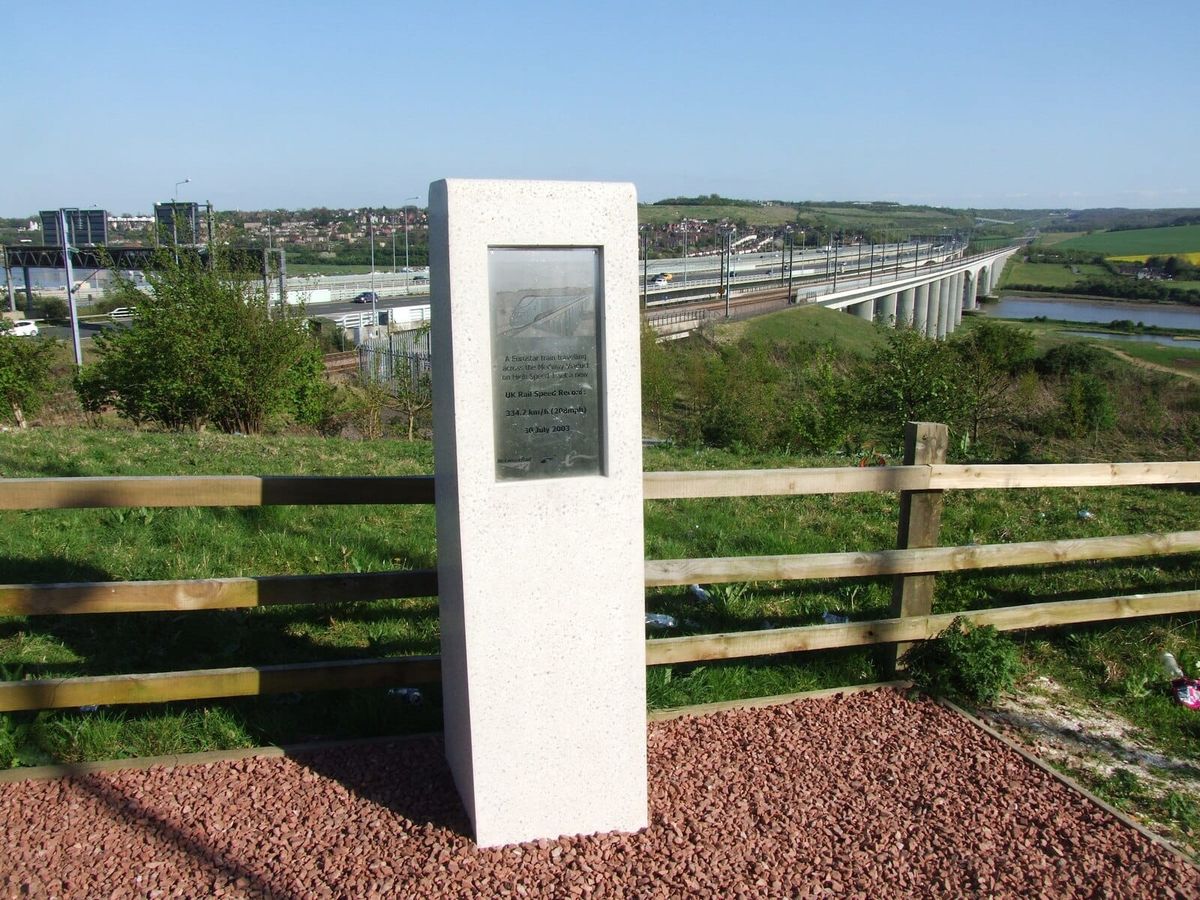
Getting it there turned out to be slightly more complicated than expected.
The monument was due to arrive at the museum in May, but a low bridge on the approach meant a road closure was required to transport the plinth to its new home. That delayed the move by several weeks.
It has now finally been installed alongside the museum’s Eurostar exhibit, next to a Class 373 power car of the type that set the record in 2003.
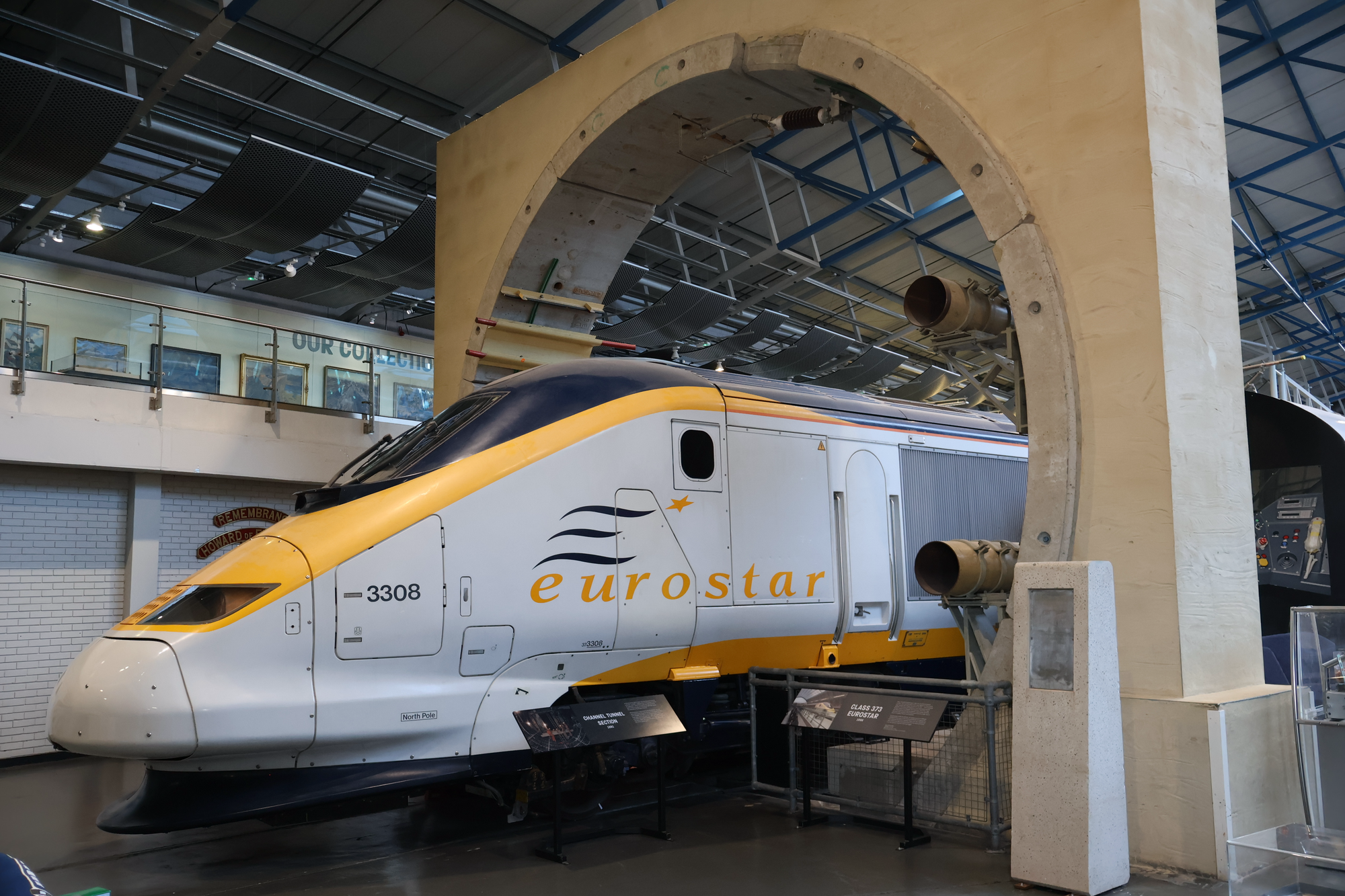
Rob Scargill, Lead Curator at the National Railway Museum, said, “Throughout history, some of the most exciting innovations and record-breaking moments have come from rail travel and engineering. The Eurostar speed record of 2003 showcased that innovation, ambition and engineering excellence that continue to define Britain’s railways.”
“By bringing this plaque into our collection and displaying it alongside the Class 373 power car, we can help ensure this important moment in railway history is preserved and accessible to millions of visitors for years to come.”
There are currently no known plans to return the monument to Medway or to create a replacement near the line where the record was actually set. The monument is now safe, visible and sitting beside a Eurostar. It is just doing all of those things in York.
Footnotes
Follow us elsewhere: Facebook, Instagram, BlueSky, and now WhatsApp for new story alerts.