“I'm fascinated by the figure of Jesus as a disrupter”
What Steven asked Adrian Bawtree, Director of Music at Rochester Cathedral and the Musical Director of the Rochester Choral Society

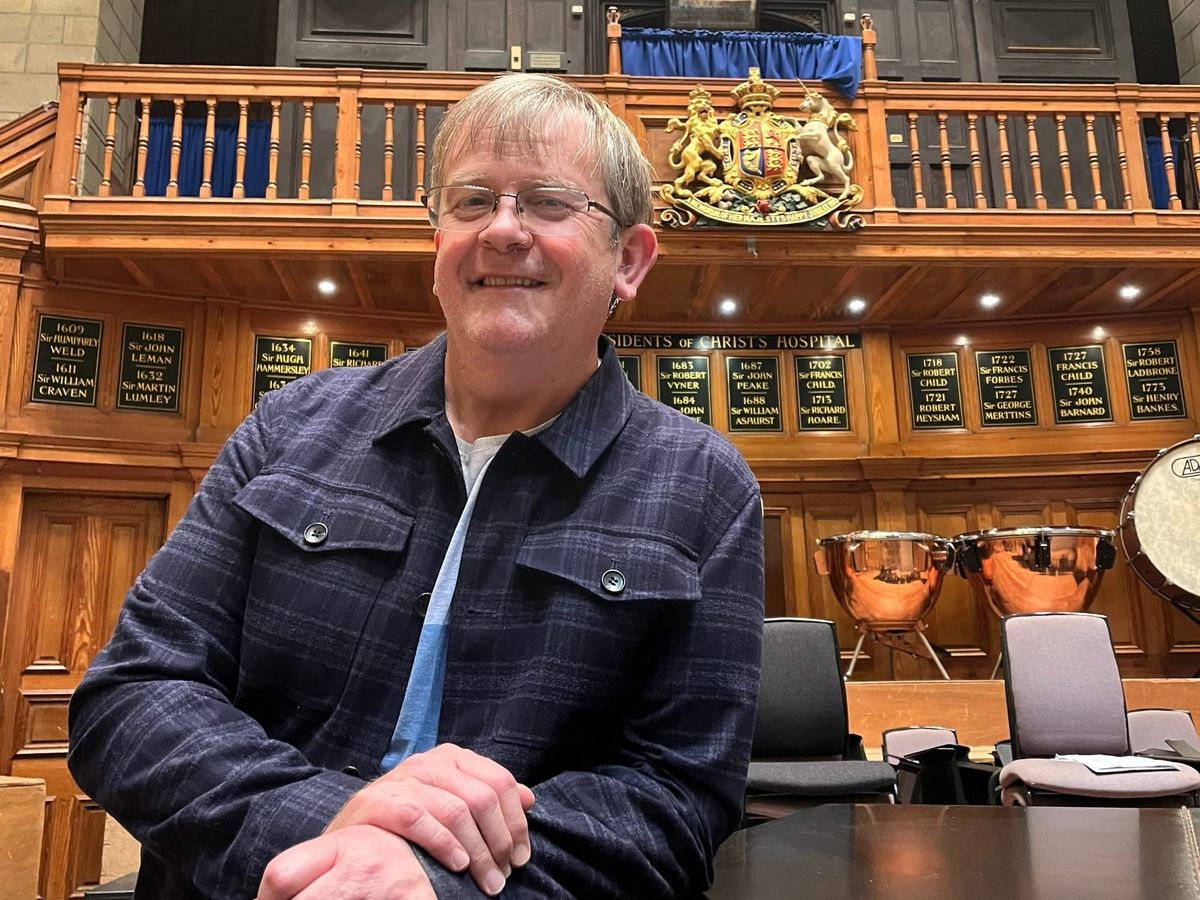
Adrian Bawtree is the Director of Music at Rochester Cathedral and the Musical Director of the Rochester Choral Society. Ahead of a Rochester Choral Society performance of 'Make More Sail', a piece he wrote about HMS Victory, Steven sat down with him to talk about how you can become a member of the Rochester Choral Society, the differences between organs at Canterbury and Rochester Cathedrals, and why getting a silver medal from the Worshipful Company of Musicians is as good as it gets...
What is your official occupation?
I'm currently the Director of Music at Rochester Cathedral and the Musical Director of Rochester Choral Society. I suppose that makes me a musician.
What is the Rochester Choral Society?
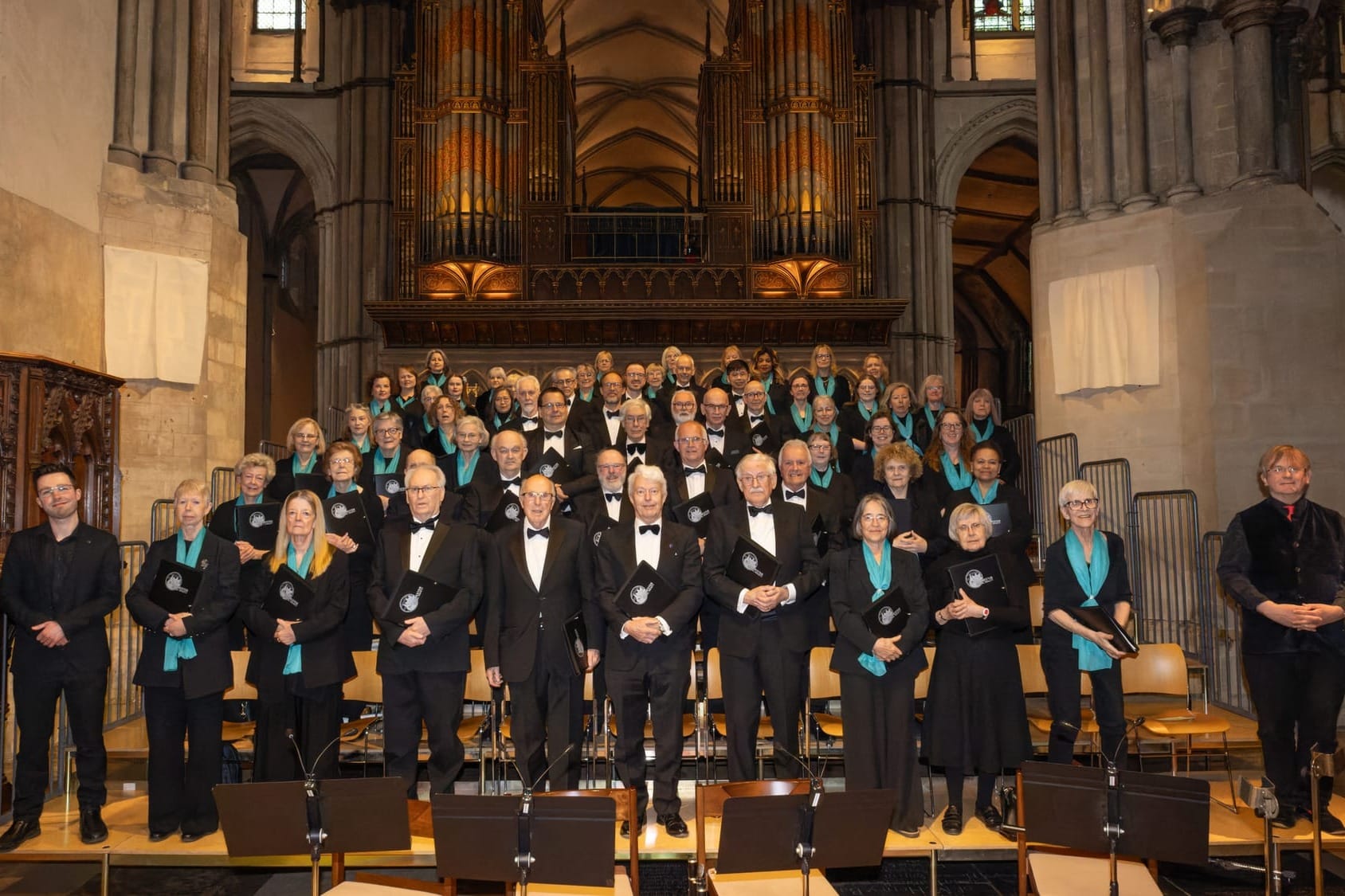
The Rochester Choral Society is one of the older choral societies in the country. It's got about a membership of about 90 singers, and we meet weekly on Tuesday nights. We perform three to four concerts a year, and we take on some of the really big repertoire that's out there. We're a group of amateur singers who like to come together and work really hard on exciting music.
How long have you been involved with the Society?
Coming to the end of my second year.
Do you take on new members?
Oh yes, getting in touch through our website would be the best way to get involved. The easiest way would be to come to one of our concerts and say to one of the singers, “I want to join the choir,” and meet one of the committee members, and they can take that forward.
It is an audition, a gentle audition. I tend to call them more voice appreciations. What we're looking for is people who have got a voice who like to sing. Reading music is helpful. It's not essential. If you don't read music, it's how quickly you can pick things up. That can be quite challenging if you're not singing the top line, because everyone hears the top line and sings along with the tune, but singing the harmony can be more challenging. This is something you can learn to do while you're with us.
I'm always interested to hear from sopranos and tenors
Is there any particular area of the chorus you are looking for members for?
I'm always interested to hear from sopranos and tenors, who historically are the rare species. We're not closed to any vocal group at the moment.
You've got an upcoming performance, what can you tell us about that?
We're singing two pieces, one by Francois Poulenc, and that's his Gloria, which is quite a challenging little number. It's about 25 minutes long and great fun. It's quite modern-sounding. It's got amazing melodies in it. It's one of the classics, one of the common pieces that choirs like to perform, but it's a challenge.
The second piece is a piece that I wrote the music for with a friend of mine who wrote the words. We’ve written it about HMS Victory, Admiral Lord Nelson and the Battle of Trafalgar. I wrote it 25 years ago for the 200th anniversary of Trafalgar, when we did performances down in Portsmouth and a little performance in the MOD in London. What I didn’t realise was that HMS Victory was actually built in Chatham Dockyard. I think that’s really significant that we’re doing that piece.
Make More Sail, the title of the piece, is one of the signals he sent to the fleet once they’d spotted the Spanish and French ships leaving port. We incorporate letters that Nelson wrote to Emma and vice versa. Perhaps the most amazing bit of history is told through the eyes of his signal lieutenant, John Pascoe, who basically hoisted up the flags when Nelson said, ‘I want you to make a signal to the fleet.’ Nelson’s actual original signal was England confides that every man will do his duty. Signal Lieutenant John Pascoe goes to Nelson and says, ‘We don’t have a flag for confides. I could spell it letter for letter, or we could substitute the word expects for confides, and that’s just one flag.’ Actually, the famous signal that Nelson sent that everyone says was his, originated from his Signal Lieutenant. I think that’s a great bit of history.
Where and when do people go to see the performance?
The performances in St Augustine's Church in Gillingham, and that's at six o'clock on Saturday the 11th of July. It's a nice big church.
We've got six professional musicians, two soloists and myself. It should be really good.
It's a cantata rather than a musical. What does that mean?
Well, it's a sung story, a cantata. Cantatas generally are often religious storytellings. This is not religious, although it has a spiritual dimension to it.
Why is a Rochester Choral Society event being put on in Gillingham?
We were looking for a big church to do it. We do one concert in the Cathedral and that's our Easter concert, but we like to get out into the community, and we need a good flexible space to work from. I'd known St Augustine's Gillingham, and that we can get a big choir in there, and we can hopefully get a big audience as well. It's nice also to move around the area.