The fight to save a designated heritage asset
Bob Collins on the campaign to save Rochester's Royal Function Rooms
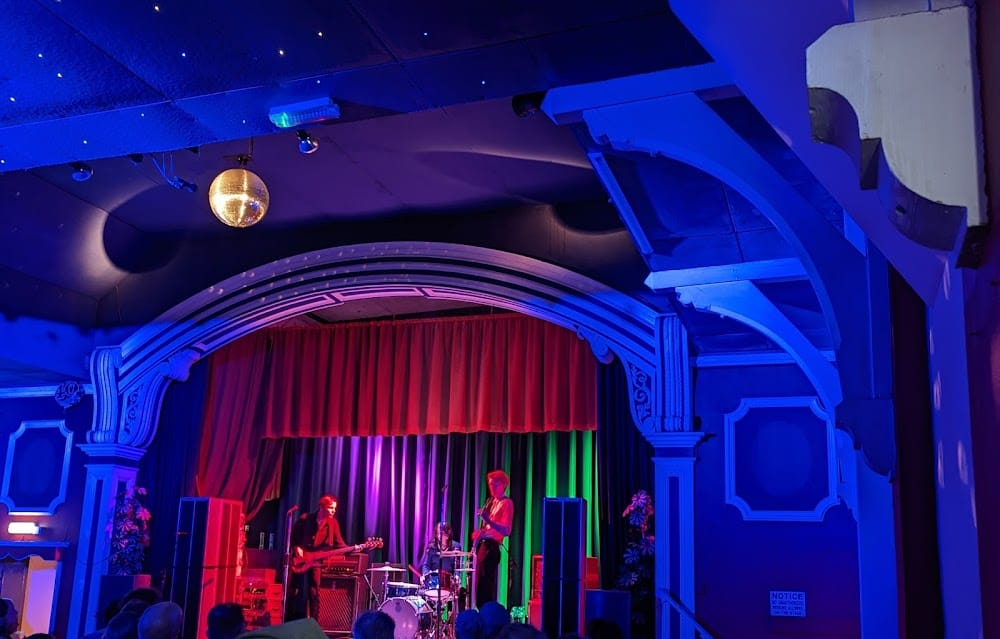
Editor’s note: This is an unusual piece for us to publish, but the future of the Royal Function Rooms is an issue we have covered closely, alongside the wider loss of music venues and cultural spaces across Medway. This piece by Bob Collins, who is leading opposition to the application to convert the venue into housing. He sets out why he believes the venue should be protected, how the planning process works, and how residents can respond before the deadline.
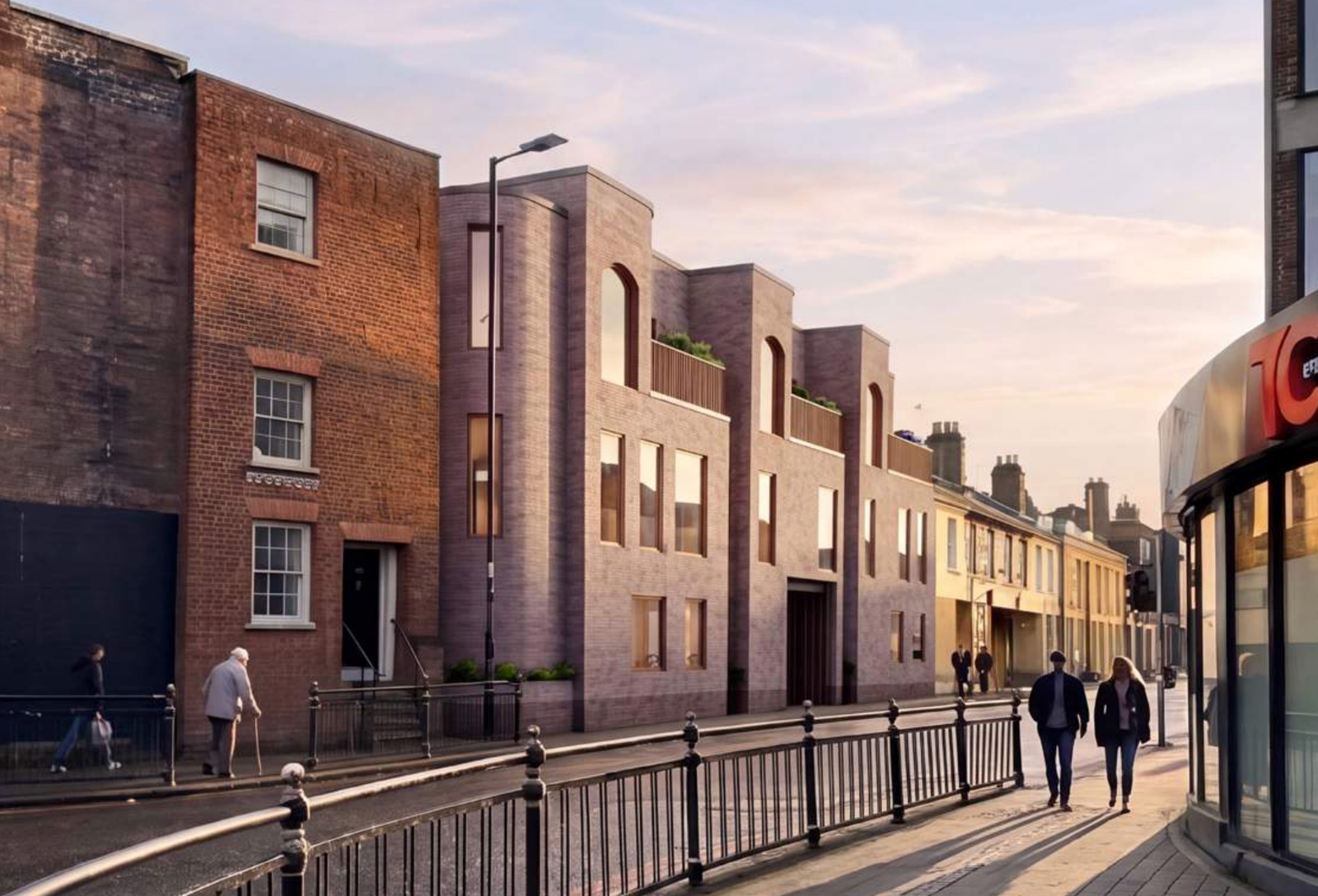
As you may have seen in a recent Local Authority article, the owners of the Royal Function Rooms in Rochester have put in a planning application to convert it into dwellings. Like most people, I was stunned when it was suddenly closed for business in 2022, having promoted, played at and attended many gigs there over the last 20 years. There was no explanation from the owners then or since, and every time I go past the place, I think what a waste it is that a unique and valuable venue is just sitting there empty. Now, thanks to the Local Authority planning spotters, we know that, to probably no one’s surprise, the owners want to convert it to housing and have submitted a planning application to the council. Their proposals mean permanent and irreversible closure of this as an entertainment venue, but given its history and Grade II listing, this is absolutely not a foregone conclusion.
I have already submitted my objection, and I would urge anyone else who feels strongly about this to do the same. The closing date to do so is Monday, 22 June, and I thought I’d put together a quick guide to explain a bit more about the details and the process. As well as my music-related activities, which you may well know about, I was also a civil servant for 40 years, and while I’m not a planning expert, I have plenty of experience in navigating this kind of process and bureaucracy. You can read the application in full here, along with all the objections that have been submitted already, including mine.
For me, the argument is not about opposing new housing. That argument is in any sense a non-starter in planning terms, and you can read my previous article on that to understand why. The core of the issue here is that this is only a handful of new dwellings, and any contribution they make to housing numbers is tiny when weighed against the devastating loss of this heritage.
Now, as a bit of quick background for those unfamiliar, this is a building which was established as a theatre in 1791. It hasn’t been in constant use in all the time since then, but it has played a big part in the Medway music scene of the last 25 years, when it was the only usable hall for audiences of 150-300 people.
An important thing to note is that planning decisions are governed by a legal framework. It’s not just the council deciding if they like something or not. There have to be solid legal grounds. The same goes for any public comments that go in. But while you can’t base your objection on emotion and outrage alone, the good news is that you don’t have to because the relevant legislation and guidance is also on your side. In particular, all decisions have to be made with regard to something called the National Planning and Policy Framework, or NPPF. The killer element in this case, which works in favour of preservation, is paragraph 214, which is worth quoting in full: “Where a proposed development will lead to substantial harm to (or total loss of significance of) a designated heritage asset, local planning authorities should refuse consent.”
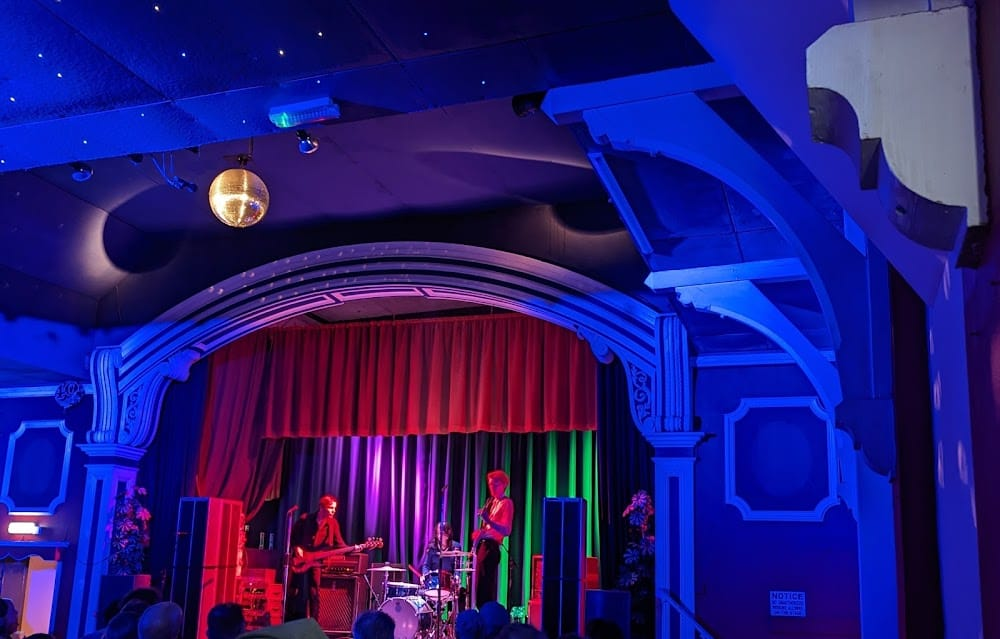
That seems pretty clear to me. There are two key arguments here. Firstly, in terms of the physical works, the stage and proscenium (that’s the ornate arch above the stage to you and me) will be preserved but completely enclosed in a private dwelling that will be permanently inaccessible to the public, which makes a mockery of the whole point of conserving historic assets. The second key point is the fact that this was in constant use as an entertainment venue for a couple of decades before the owners shut the doors in 2022. This has been completely ignored in the application documents, and it is not hard to understand why. All the guidance in this is clear that preserving historic buildings is not just about the bricks and mortar, but preserving their historic use. By completely neglecting to mention the ongoing modern use of the building, a use that would be continuing were it still available for hire, they have given the completely false impression that it all went to rack and ruin years ago. Providing the planning committee with evidence that this was a well-used functioning venue until the owners themselves closed the doors is a very important piece of context that, as far as I’m concerned, tips the balance considerably.
Here’s what you can do.
- The most important thing is to register a formal objection to the council. You can do this in two ways, one by submitting through the planning portal here. You first have to register, which is fairly painless, but the online route restricts your response to 10,000 characters. You can avoid both of these things by emailing planning.representations@medway.gov.uk quoting the case reference MC/26/0906. Either way, the deadline for comments is 22 June. If you do this, your objection, including your name and address (but not email or phone), will be published on the portal with all the other planning application documents and objections. You can choose to remain anonymous, but your submission may be given less weight. More information on that is here.
- Contact your local councillor and/or MP to urge them to speak out in support of preserving this important piece of heritage. There’s a caveat to this though. If a councillor sits on the planning committee that decides the application, they won’t be able to express a prior view, or they risk the decision being open to legal challenge. The full list of councillors is here, and a list of those that sit on the planning committee is here. Unfortunately, two of the ward councillors in the location of the Royal Function Rooms are on the committee. The one that isn’t is Cllr Alex Paterson, so it would be worthwhile contacting him too. The council leader also has to be careful to avoid making prejudicial statements, so although he spoke out against the closure while in opposition, we have to expect Vince to keep his counsel (pun intended) until after the decision. If you are really interested in this whole probity issue, have a look at the Local Government Association Probity in Planning Guidance.
- Contact the relevant statutory bodies, such as Historic England (e-seast@historicengland.org.uk), The Theatres Trust or The Georgian Group (consult@georgiangroup.org.uk), who the council have to consult in cases like this. I have sent my response to these organisations to make them aware of the recent cultural history of the building, which was absent from the developer’s application. These bodies don’t necessarily respond to everything they’re asked to comment on, but if they do, it’s important they have this information. Incidentally, the council appear not to have consulted the Theatre Trust, which I have pointed out to them.
What will happen next?
Because of the high profile of this application and the objections that have already been submitted, this will almost certainly go to the full planning committee and not a delegated officer. If the planning consent is refused, then the ball is back in the court of the owners. I have no idea what their next move would be, and there’s of course no guarantee that it will be brought back into use as a venue, but it at least preserves the opportunity for any owner to do so at a future date.
Another way to protect the venue if it were ever sold would be through an application to the council for it to be designated as an Asset of Community Value, which gives communities the right to bid to buy the property if it goes up for sale. There was talk of this being done in 2022 after the closure, but it doesn’t seem from the Medway register that an application was ever made.
Even if this planning application is approved, I believe the developers still can’t do anything unless they apply for and secure Listed Building Consent, which is separate from planning consent. The planning consent, if granted, will approve the change of use. But the Listed Building Consent is necessary before any physical alterations can take place. As far as I can see, they haven’t applied for this yet. If they do, then that will also bring a further opportunity for challenge and comment.
We don’t know how long this battle will be, or if we will ever get our venue back, but for that to happen, this is the first battle we have to win.
Bob Collins is a former civil servant and a stalwart of the Medway music scene.