Medway's difficult housing decision
Why meeting housing need is easier to demand than to deliver
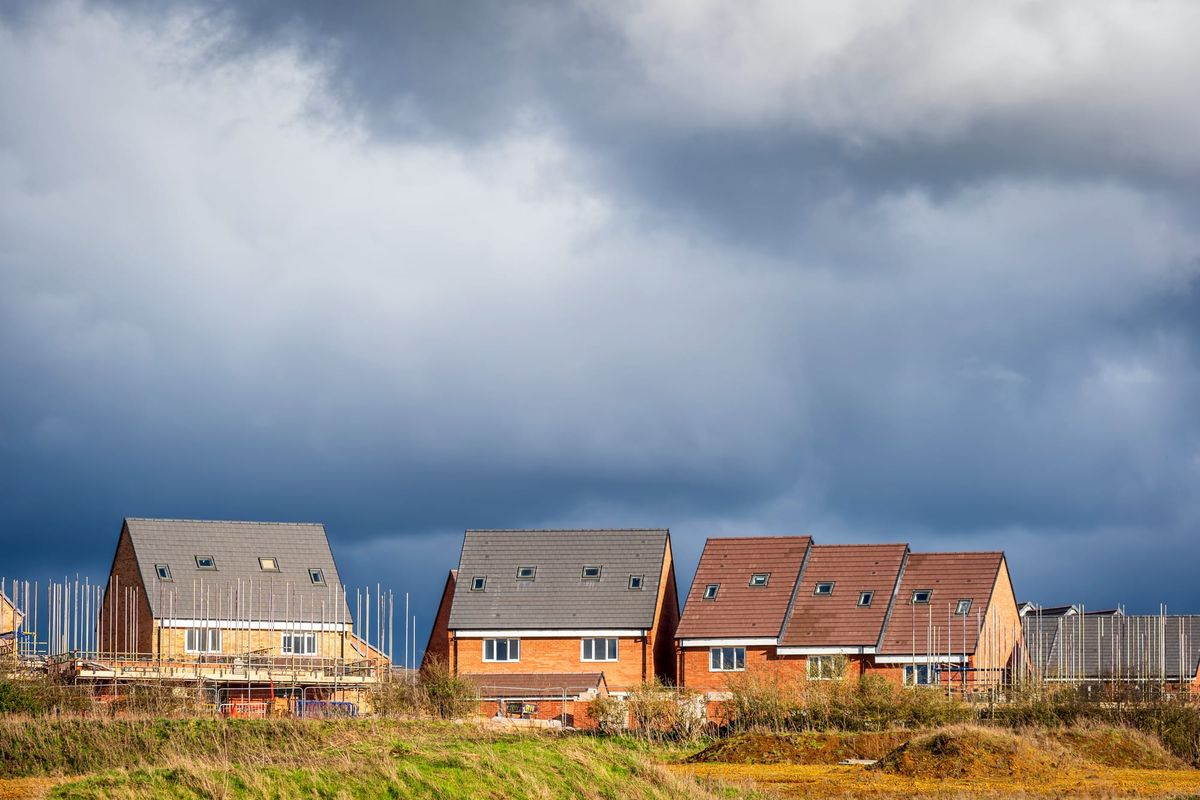
In March, Medway took two major planning decisions that exemplified the difficulties councils face over housing. The country needs more houses, and the Government has set ambitious targets. It’s easy to agree with that as a general principle, but individual planning decisions are never pain-free. A recent article in Local Authority looked at these two contrasting proposals and the very different challenges they faced. There’s the greenfield development at High Halstow, which is, in theory, viable for developers but hugely unpopular locally, contrasted with the brownfield development at the Strand. This has far less opposition but is a good deal more expensive for the council because of all the land remediation work and site clearance that has to be done before a developer will even be interested. And if the council avoids taking either decision it risks planning matters being taken out of its hands and imposed from above. So, what’s the background to all this? Who says we need more houses and why, and how come is this all so difficult?
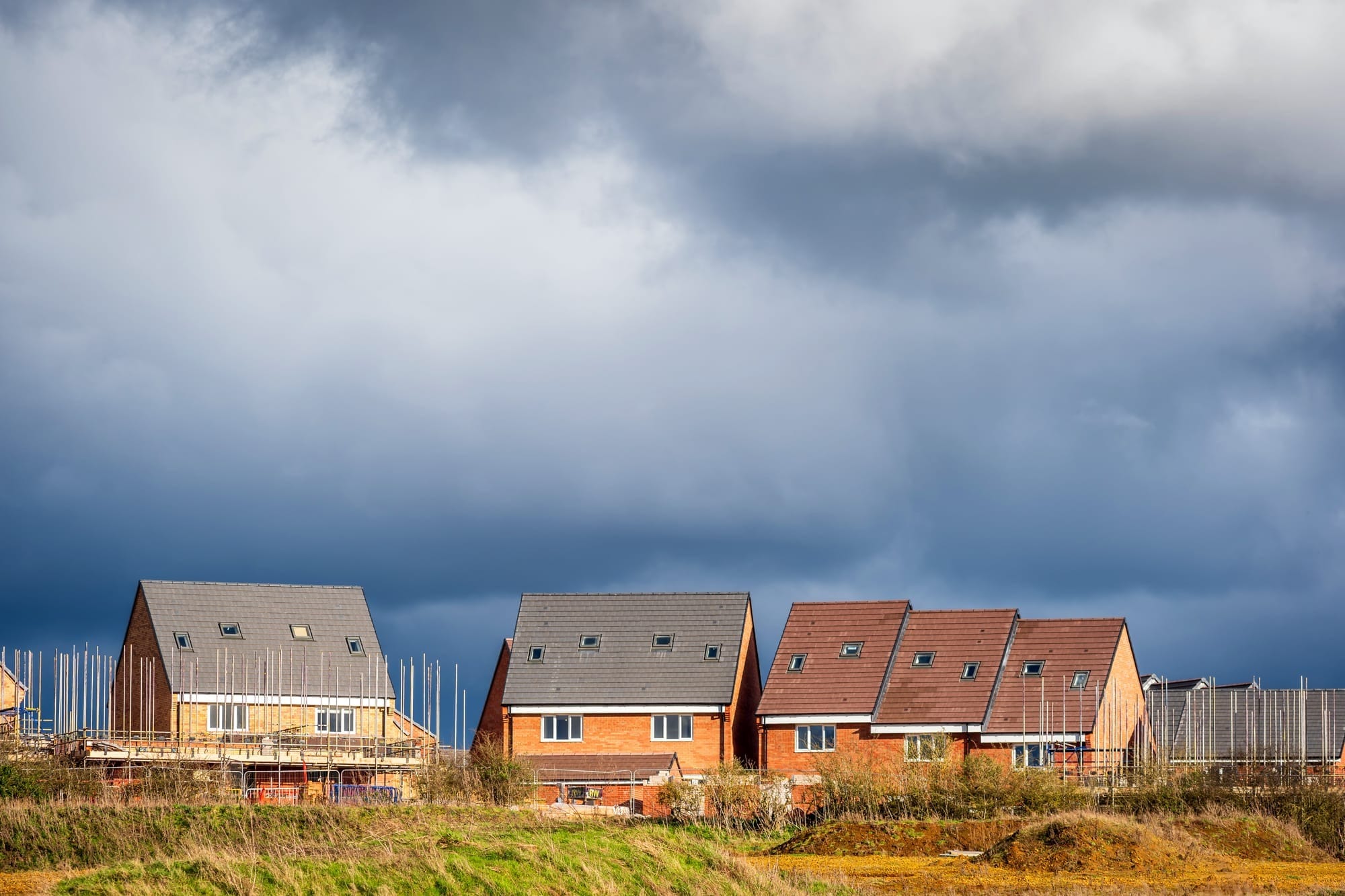
Remember the first flush of enthusiasm in the very early days of the Labour Government in 2024? Within 26 days (yes, days) of their General Election victory they announced a commitment that 1.5 million new homes would be built in England the next five years. That’s 300,000 per year on average. Note that we’re not calling it a commitment to build 1.5 million new homes. We’ll come to that later.
Anyway, the scale of this ambition was all very eye-catching and attracted a lot of comment, despite the fact that it was pretty similar to the previous Government’s 2019 commitment of 300,000 a year. In the four and a half years of that Government, the commitment was, prepare to be shocked, not met. Not met at all. This didn’t stop the Conservative 2024 manifesto upping the ante by promising 1.6 million in the same period.
Medway’s contribution to this target was supposed to be 1658 new homes per annum. In line with the national picture, Medway under-delivered on this, with a peak of 1305 houses delivered in 2023/24.
So, is this Government going to be any more successful? Like the previous Government they’ve also given each council a target based on splitting the 1.5 million between all councils in the country. But there are two key differences. Firstly, the formula they’ve used for calculating housing need is different, leading to some wild differences in some councils. But luckily not Medway, which has ended up with only a very slightly reduced annual target of 1644 houses per annum. I say luckily not just because it avoids a massive disruption of existing plans but because it means I don’t need to understand or explain the complexity of the change to the forecasting models (enter this link at your peril).
Anyway, Medway’s new draft Local Plan, currently with the Government for examination, sets a requirement of 1636 new homes a year, tantalisingly shy of the target of 1644, which is a bit like a footballer moving the ball a couple of millimetres outside the corner quadrant before taking the kick. We’ll see if they get away with it.