Voice of the Police and Crime Commissioner
Matthew Scott on his tenth anniversary in the role, police reforms, and the progress being made locally
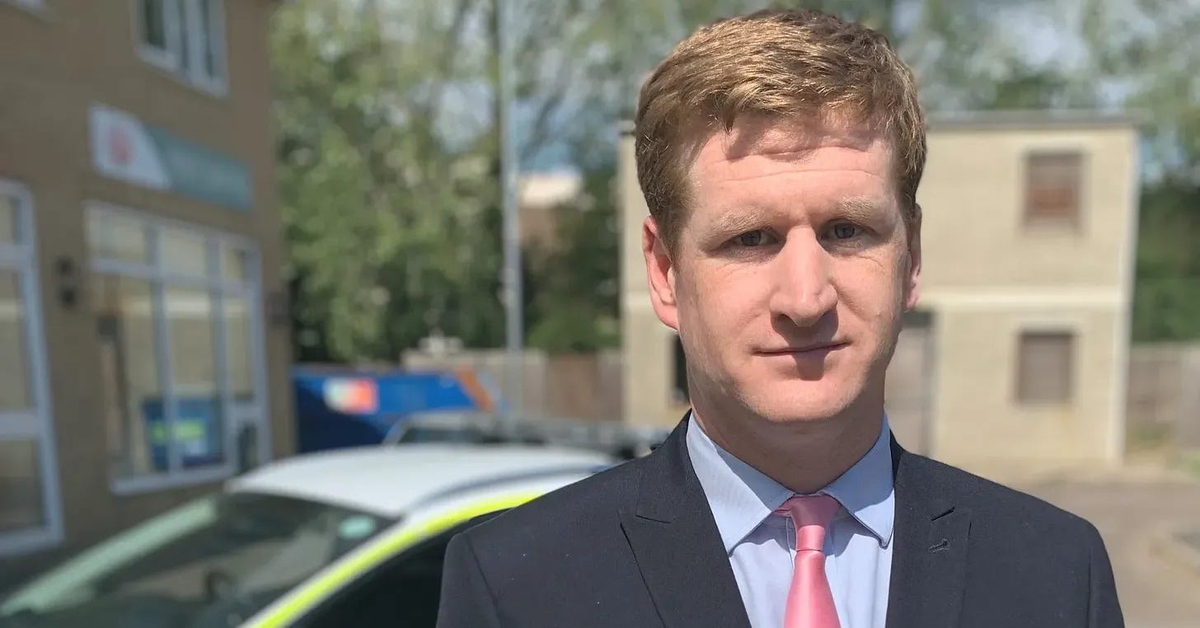
Editor’s note: Each month, we publish a guest column from one of Medway’s elected representatives, rotating between our MPs, council and opposition leaders, and the Police and Crime Commissioner. Today, we welcome Kent Police and Crime Commissioner Matthew Scott, who discusses his tenth anniversary in the role, police reforms, and the progress being made locally.
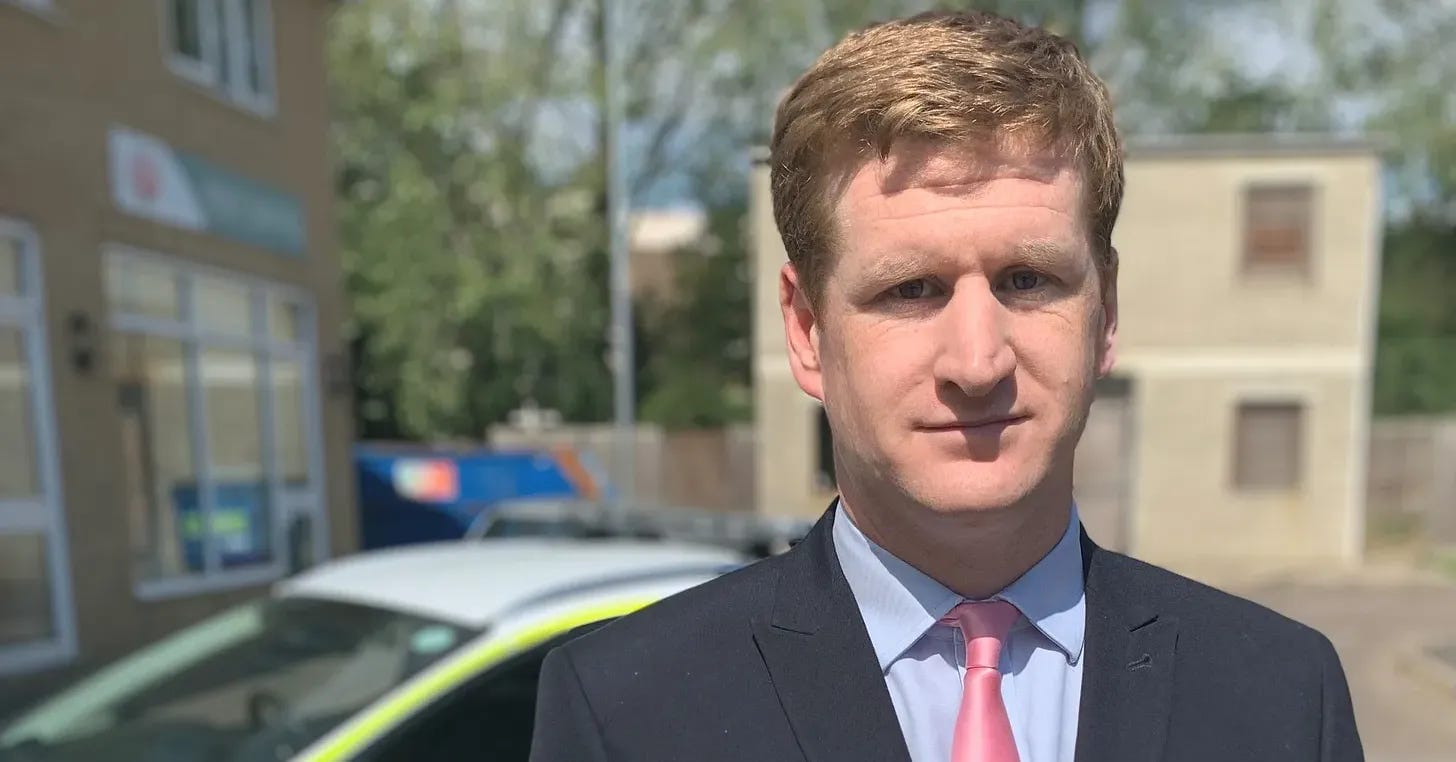
As I write this, I am reflecting on the anniversary of my first day in Office, a decade ago. First, I would like to say thank you to everyone who has put their trust and faith in me these past ten years. Whether you voted for me or not, I have always been driven by the desire to make our neighbourhoods safer and be a champion for victims of crime.
I am also very grateful to those Officers and Staff whom I have had the privilege to work alongside during this time. They go out every single day to do their very best for you and your neighbourhood, facing often difficult and dangerous circumstances. They deserve our profound thanks and appreciation.
It is fair to say that the past decade has been rather tumultuous. When I was first elected, David Cameron was Prime Minister and Theresa May was Home Secretary. The Brexit referendum would not happen for another six weeks.
Since then, there have been six different Prime Ministers. Nine different Home Secretaries. And at a time when the present Government is proposing the most radical and potentially dangerous reforms that policing has experienced in sixty years, there is, at the time of writing, the possibility that there will soon be another Prime Minister and Cabinet reshuffle. Policing deserves better than this instability.
The Government’s police reform programme is currently rushing to write legislation on three fundamental issues. First, the creation of a National Police Service will see certain functions move into one home, including procurement, ICT strategy, standards, data and police aviation. In time, it will also become responsible for counter terrorism and organised crime. On the surface, these reforms are perhaps the most necessary and will face less resistance. Often badged as a “British FBI,” it makes sense for some of these functions to come together.
The second pillar is the change to governance and accountability. Depending on where you live, policing will be governed by one of three different models; a Mayor, where there is one, a Foundation Strategic Authority where they are created, and elsewhere a Local Policing Body. The two latter models will be made up of a committee of councillors. It would be better if more Mayoralties were created, so that policing and local neighbourhoods could benefit from the single point of contact with executive powers, rather than a committee model that will suffer the same political divisions that local councils face.
Finally, and the biggest risk to local policing, is the proposal to merge police forces. This could mean that Kent Police could be merged with Essex and the rest of the East of England, or our neighbours in Surrey, Sussex, Hampshire and Thames Valley. There is an independent review taking place at the moment, led by former Met Commissioner Lord Bernard Hogan Howe, to decide what these new, larger forces look like. However, this is not being done in consultation with the public. So please do let me know your views about force mergers here: Police Forces Merger Consultation.
There is no evidence to suggest that larger Police Forces are better than smaller ones. This has been a policy designed to reduce local accountability and democratic oversight, and I fear will lead to a loss of local policing, reduced crime investigation outcomes and a worse service for the public. If a Chief Constable is responsible for everything from Milton Keynes to Medway, how can they possibly get it right?
In addition, the local government reform programme threatens to cause further costs and distraction for policing in Kent. I have opposed Medway Council’s plans to create four unitary authorities in the county, which would not only cost Kent Police significant amounts of taxpayers’ money, but require large scale reorganisation to meet the new boundaries. The three unitary model proposed by a collection of other local authorities would be the better fit and be less of a risk.
Given the current political climate and the instability it is causing, the Government should do the right thing and pause police reform.
Aside from the national situation, I am pleased to report positive progress at a local level. Kent Police was recently inspected and found to have improved its service to the public and crime investigation. It remains “Good” at prevention and is a model for how policing should work with volunteers. However, there is no complacency about this improved position. The Chief Constable and I will continue to work together to improve outcomes for victims of crime.
I have maintained my focus on supporting businesses and shop workers in the fight against retail crime. Shoplifting is not a victimless crime and has a serious impact on our High Streets. Working with Kent Police, there has been a relentless focus on bearing down on the most prolific offenders, with the vast majority now subject to Criminal Behaviour Orders, which ban them from towns and retailers. The charge and solve rates are increasing faster than the rate of shoplifting, meaning that more offenders are being held to account.
And finally, I am continuing to work with the rural community and policing to tackle the scourge of rural crime, waste crime and fly-tipping. The Kent Police Rural Taskforce has been doing some incredible work to tackle thefts from farms, wildlife crime and organised crime in Medway. They have been undertaking training to support call handlers and local Beat Officers to improve their understanding of rural neighbourhoods. And they have been co-ordinating efforts to tackle catapult related crime.
So, I finish where I started – by thanking you all for your support. Over the past ten years, police officer numbers have increased and remain their highest ever. Crime is down. County lines drugs gangs have been rolled up. Knife crime is reducing. Burglary is lower. And more victims are getting a positive outcome.
For the next two years, I will continue my mission – to cut crime, support victims and build trust.”