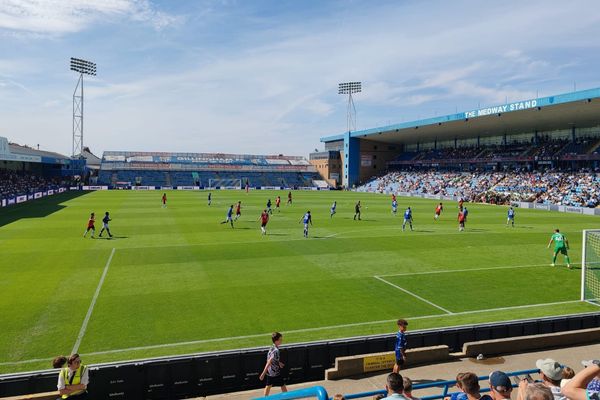
Trees Over Medway
Medway needs more of a tree canopy, but can we make that happen?
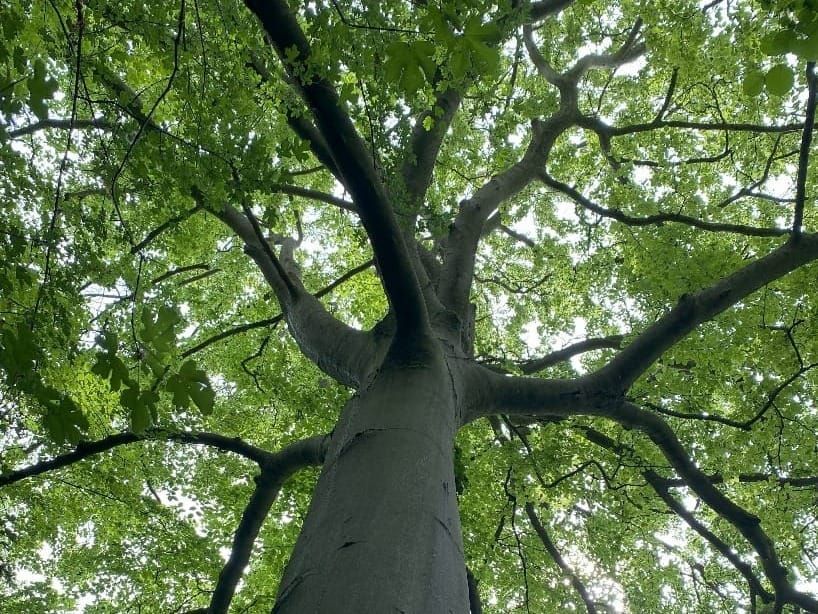
It will come as no surprise to anyone that I love trees and woodlands. I grew up in Lordswood, where I was lucky enough to be surrounded by trees and pockets of woodlands. I spent my childhood playing under trees, building camps, and collecting Sweet Chestnuts to eat. Being surrounded by trees was such an intrinsic part of my childhood that there are few of my childhood memories without them.
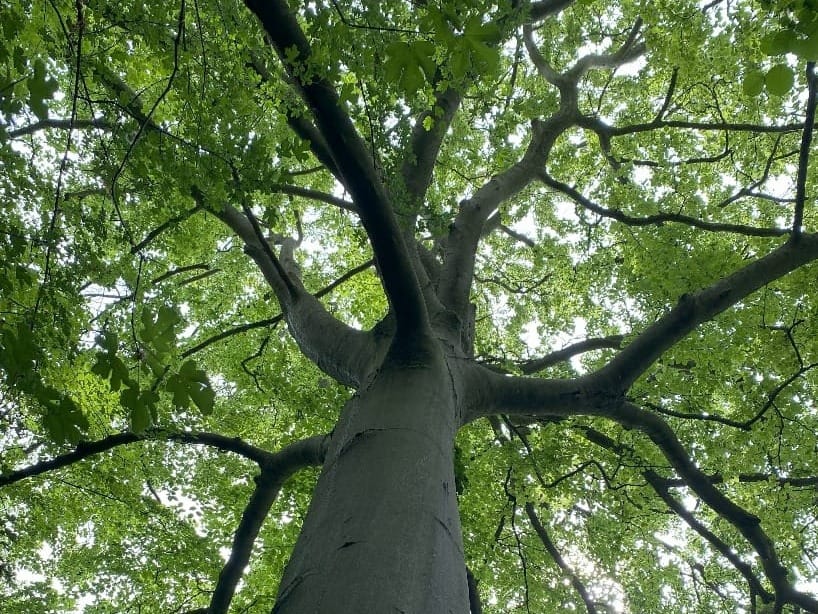
Despite this childhood connection, it was not until I grew up and became a professional gardener that I really began to appreciate the importance of trees to our local urban environment. They provide a much needed cooling effect on our streets. Towns and cities act as heat sinks during the summer, with concrete and asphalt absorbing the heat during the day and releasing it at night. Trees reduce this by absorbing that sunlight during the day and releasing water vapour at night. A study by Forest Research shows that this cooling effect can be up to eight degrees Celsius, which is vital for reducing the effects of climate change.
Urban trees also reduce the impact of air pollution, which is a major problem in our towns and cities. Trees can catch and absorb pollutants on their leaves, acting as a natural barrier between the pollution and our most vulnerable people. Research undertaken has shown that there is a lower occurrence of childhood asthma in areas with a higher density of street trees.
It’s not just us that benefits from more trees in our towns. They also provide key habitats and resources for our wildlife. The English Oak can support more species of wildlife than any other native tree in the UK, with the potential to support 2,300 different species. As our wildlife continues to strain under increasing pressure, urban trees provide a protective fortress that helps maintain biodiversity.
Trees don’t just help wildlife. They can help people’s own health and wellbeing. As more people begin to suffer from mental health issues and stress, trees and woodlands have an important role to play. Research has shown that 90% of people report improvements in their mood after sensory experiences with trees. The sound of bird song and the rustling of leaves, the smell of blossom, and the feel of a tree trunk. These sensory imports have increased people’s moods and helped relieve stress. Trees also help with our physical health, with studies showing that exposure to trees has lowered blood pressure and sped up hospital recovery times.
Finally, they provide a vital tool to soak up rainwater to prevent stormwater runoff. The tree’s canopy can intercept rain as it falls, slowing the rate at which water lands and allowing it to gradually soak into the ground. And with the tree’s roots penetrating deep into the subsoil, they provide channels for the water to soak through more easily.
Medway’s canopy
With urban trees so important to our health and well-being, it’s worth checking how Medway is doing in terms of its total tree canopy. Anecdotally, it’s hard not to think that we are losing many trees every day. I have even complained about the council removing street trees and not replacing them.
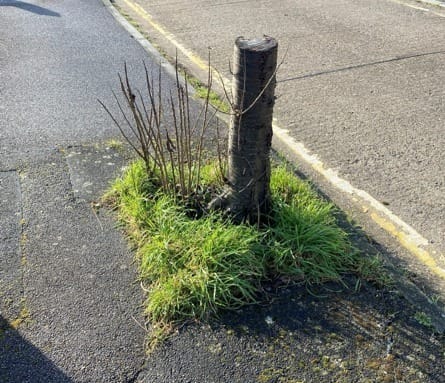
Luckily, some reputable organisations have conducted research on this, so we can bring a more evidence-based approach to any analysis.