“I trust a 16-year-old to make a good decision as much as I trust a 30-year-old”
What Steven asked Dr Roy Smith, Service Manager for Medway Council's Youth Service

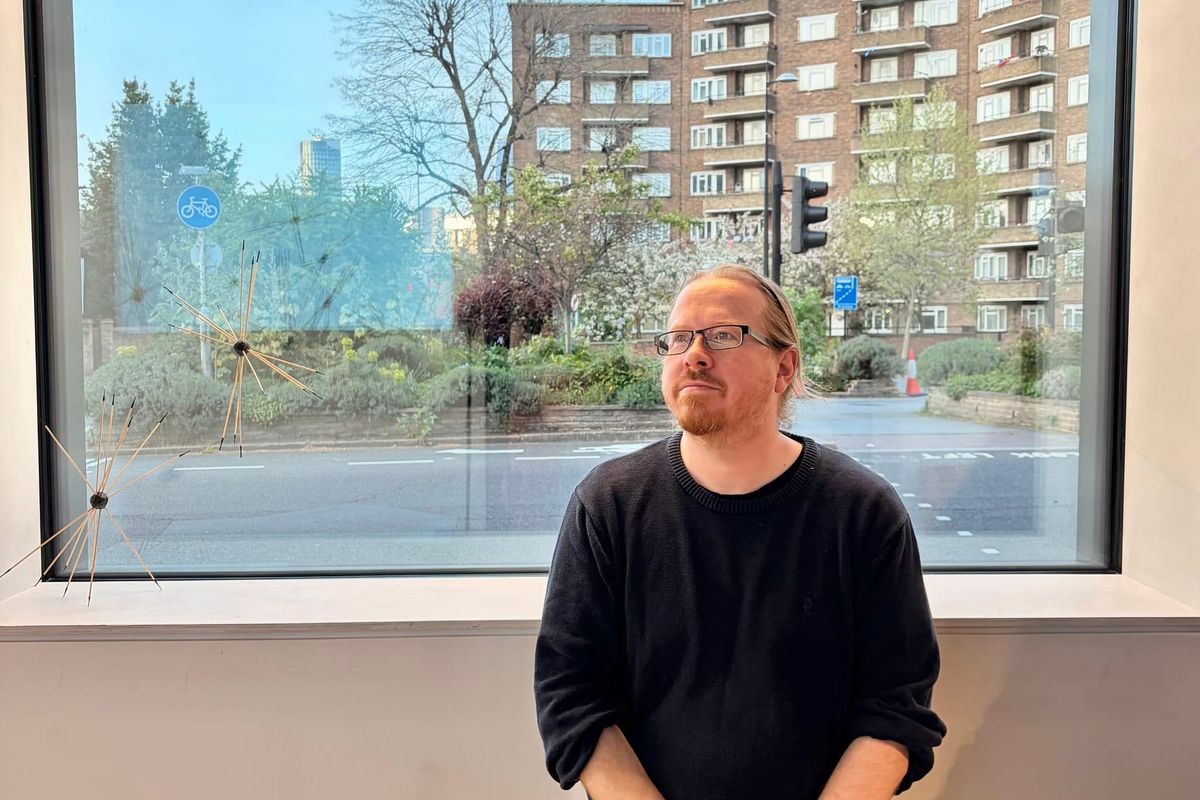
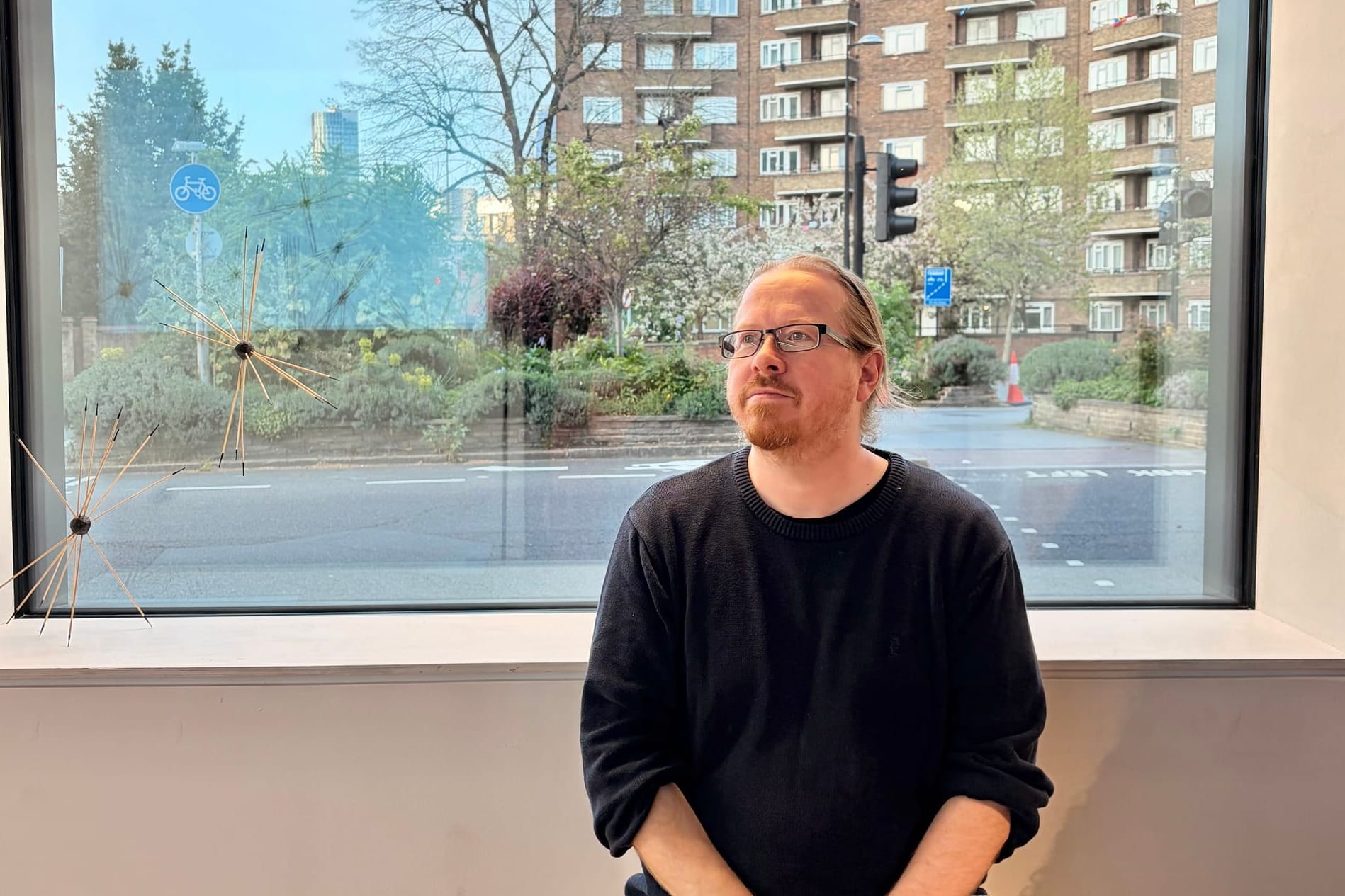
Roy Smith is the Service Manager for Youth Service at Medway Council. He talks to Steven about local democracy, studying for a PhD and the musical experimentation of Minimus.
What is your official occupation?
My profession is youth work, but I'm the Service Manager for Medway Council's Youth Service.
What does that role entail?
That involves working with young people across Medway. From people as young as eight years old, up to 18 and up to 25 for young people with additional needs and disabilities. That involves developing, supporting and running a whole range of services, from youth clubs, targeted youth support, work in Medway Hospital, youth participation work with young people to get their voices heard and supported, as well as activities and ways for young people to be able to express themselves and become part of their community.
There are lots of reports about the lack of youth clubs and youth facilities. Is there still something to manage in Medway?
Absolutely. In many ways, Medway has bucked the national trend. We got called out recently. I attended a meeting in London with the National Youth Agency where the CEO called out Medway as one of the best youth services in the country. I think when you live in Medway, you hear a lot of people saying things about there's not enough of this and that, but a lot of people aren't looking outside in terms of what it's like elsewhere, and I'm aware of an uneven national picture around the youth sector.
Medway has retained a strong local youth offer, delivering both universal and targeted work, as well as a strong provision that happens in the voluntary sector as well. That combines to make what we call the Local Youth Offer. You'll have the youth service from the council, but we'll also have a range of different providers from scouts, cadets, guides, as well as faith-based providers, small community voluntary providers and we try and work across those as well as our direct work with young people to support what goes on across the board.
We had a peer review last year in July where we had people from various different places, including young reviewers, to look at our provision. There are things to develop and to grow on. A lot of places, it's been a hard time over 20 years in terms of finances. I'm proud to say we've held on to a strong provision. We deliver around 40 sessions a week worth of direct youth work, which for an area this size, if you look at other places, that's quite unusual.
Is Medway Youth Council part of it?
Yeah, Medway Youth Council is a youth-led organisation. We support them, but they have a level of independence. That is around young people organising together to get their voices heard on issues that are important to them. They also work with the local authority and its partners, NHS, police, health services, different organisations, education, to be able to inform policy and decision-making.
They not only take consultation from those partners, but also campaign on the things they care about.
How political is the Youth Council?
It depends what you mean by political. That's a big word. They're not party political. They try and avoid being party political, because they recognise they've got to talk to people from a lot of different backgrounds. But they are political in the sense that politics is about the local community. It's about the decisions that are made. They have views and perspectives about what should happen, how things should change. I don't think you can do that without being political.
What was the focus of your PhD?
My PhD was around young people's democratic socialisation, particularly the role of youth participation workers, youth workers, and I take a wide range. That could include teachers, youth workers, it could be people working with young people around their democratic involvement, and the role those adults play working with those young people that supports their growth of their political awareness, understanding and engagement.
Again, that's not about party politics specifically, although it doesn't run away from that. Some young people have strong party-political views. What I wanted to explore was what the work of people doing that looks like, how they see their role, how young people understand that role, and also what they could do to make it better. How could they improve the work they do? How could they better support young people?
We're at a time at the moment where we're looking at votes at 16. It's particularly pertinent. Young people are going to be voting younger than they ever have done before. Some of this is about what work prepares young people effectively to engage in democracy. Some of that's about strengthening. I've worked in a local authority most of my life. People being involved in democracy is important for strengthening it, for its management, its understanding, for people to have a say and feel like they have a stake in their community.
There isn't a magical switch that flicks in your brain that suddenly means that you're capable of voting or behaving politically responsibly at 18
You mentioned votes for 16-year-olds. Having worked with young people, do you think giving them the vote is a good idea?
I would say it's as good an idea as giving it to anyone. I've had this conversation a lot, and the young people I've worked with over the years haven't always thought giving votes to 16-year-olds is a good idea themselves. I think they have come to that conclusion themselves, but I think one of the things that I've thought about a lot, and I've spent a lot of time thinking about this, is that there isn't a magical switch that flicks in your brain that suddenly means that you're capable of voting or behaving politically responsibly at 18. You don't suddenly become politically mature just because you've turned a particular age. Young people at 16 are fundamentally affected by political decision-making more than anyone else. Particularly because they've got to live with the consequences more. They're in full-time education. They're affected by a lot of decisions about their lives, about what they can and can't do, where they can and can't go. I think it's only right they should have decision-making ability within that.
My view on it is I don't think they're any better or worse placed, or any better or less educated than most adults to vote at that age, if I'm totally honest. That's been my experience of young people over the last 25 years. Does that mean that some of them will make bad decisions? Yes, so do some adults.
I trust a 16-year-old to make a good decision as much as I trust a 30-year-old, 50-year-old, or 70-year-old.
Local journalism worth sticking around for
Roy has spent 25 years working with young people in Medway, giving him a particular perspective on who gets heard and who gets overlooked.
Register for free to continue the interview, as we talk about his unlikely route to becoming Dr Roy Smith, extremism and radicalisation, experimental music, and why good youth work should be about more than fixing problems.