“I still think there's beauty in rambling”
What Steven asked Fiona Goggin, debut author of The Silver Bones of Frances Winter

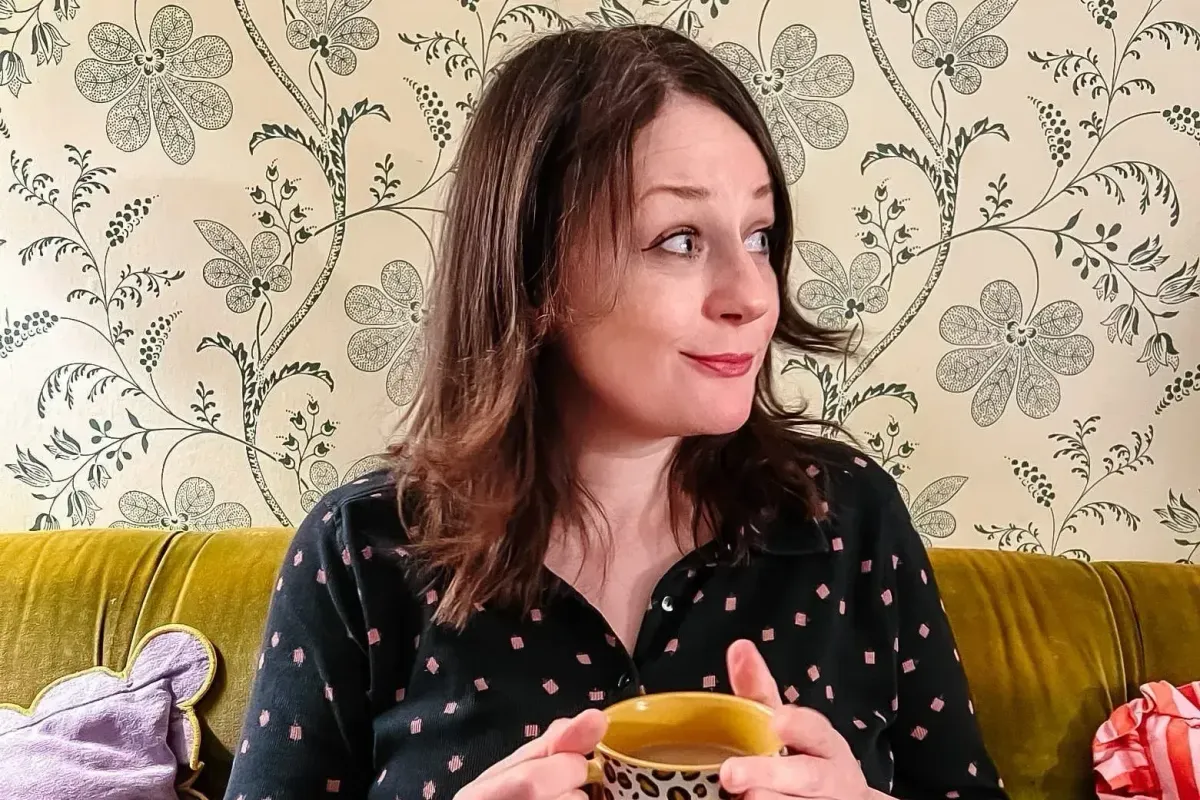
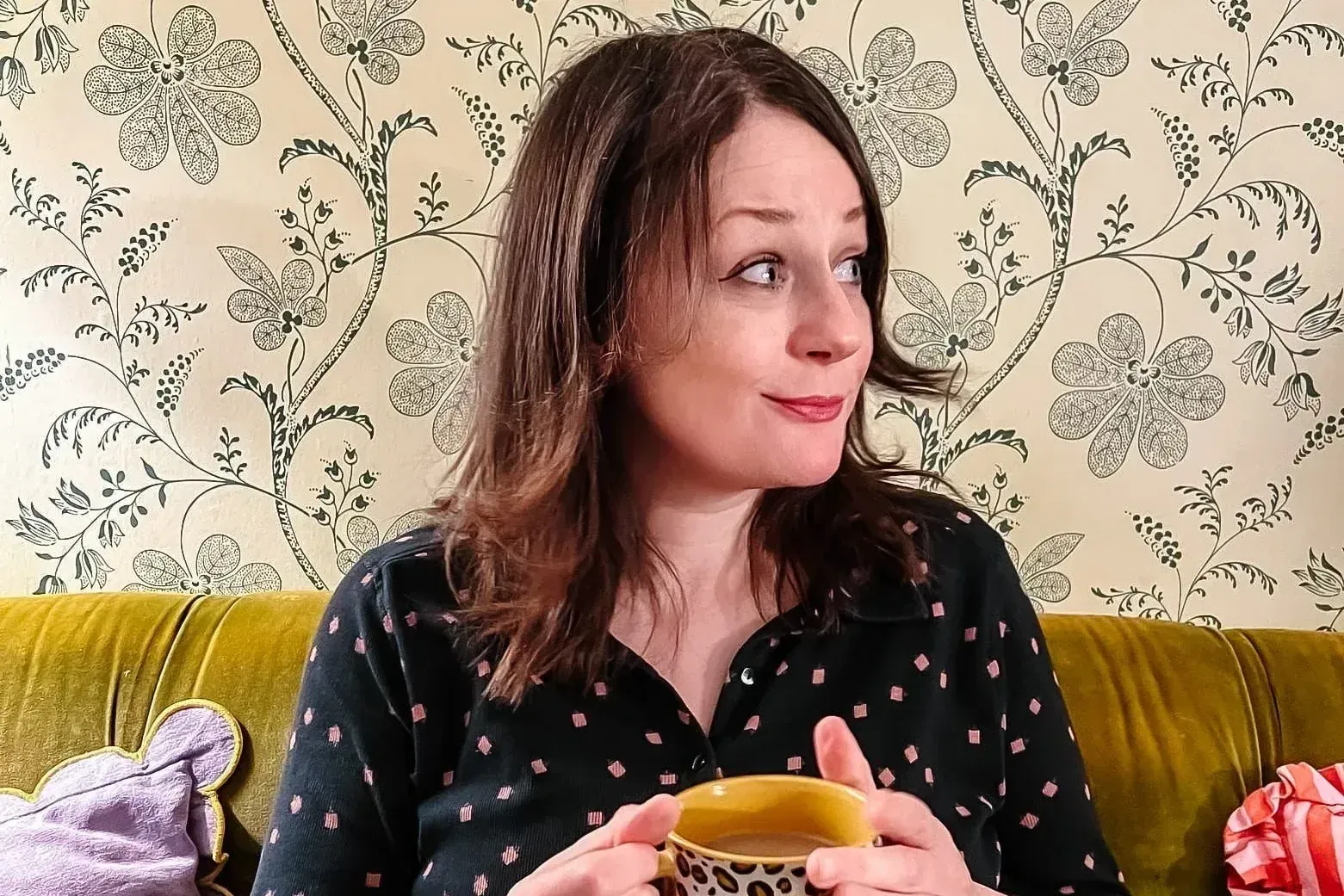
Fiona Goggin is the author of her debut novel, the Victorian Gothic fiction The Silver Bones of Frances Winter. Appropriately, Steven met her in Leonards Cafe at Store 104 in Rochester, where they discussed winning a place on the course that helped her to write the novel, what brought her back to Medway and if working in a library helps you to write a novel.
What is your official occupation?
I'm a library assistant.
What does that entail?
Normally just being on the front desk at one of the Medway libraries. Everything you'd expect, like issuing books, returning books, organising events, and helping people with computers and printing and things like that. It's a varied job, which I like.
How did you come into it?
We were living in London for quite a long time, and I was working there. I worked for a charity called Listening Books, and they do audiobooks for people with print impairments. I worked there for about ten years and loved the work.
Then we moved back to Medway, when we had our eldest daughter, and I ended up being a stay at home mum for quite a long time, for various reasons. When I was looking to get back into work, this was something that came up, and I thought I'd always wanted to work in a library.
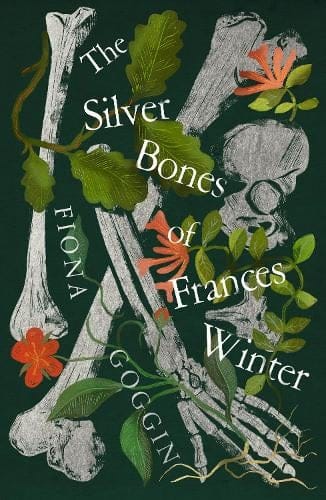
What are the Silver Bones of Frances Winter?
So, they're Frances' bones. She is a young woman of extraordinary height. The title Silver Bones initially came from a line I wrote: ‘Like my long white toes shone like silver birches’. I think it was my agent who suggested the actual title.
Frances is involved with these seedy, underhanded people who are looking to take advantage of her, and they want to sell her bones. It’s set in Victorian London, coming into an era where there was a lot of body snatching and things like that. What I had in my mind was Charles Byrne, the Irish giant, and his story where people were looking to make a profit from his bones before he was even dead. That's a sad tale that had a lot of influence.
I’m really interested in repression, what that can do to somebody, and how it can force them into acting in certain ways
Why did you set it in the Victorian period?
I think the character of Frances came first with her extraordinary growth, and then I chose to set it in Victorian London because I wanted to look at how it feels to be a woman of such a big size when you're dealing with a society that's obsessed with tiny, corseted waists, little dainty feet, and things like that.
I think we're not a million miles away from that still, but people were insanely obsessed with that back in Victorian times. The idea of such an interesting period of history in terms of social change and technological advancements is that feeling of things happening quickly and almost running out of control. I think that's how Frances feels about her own growth and her own body, like it's going at such a pace that she can't stop it, and that's terrifying.
Is Victorian Gothic something that's of interest to you?
Yes, definitely. I think from early on I was thinking of things like The Secret Garden book I read as a kid, that was published just after the Victorian era but that's got little elements of that in there. Studying Jane Eyre and Wuthering Heights at school and university.
I’m really interested in repression, what that can do to somebody, and how it can force them into acting in certain ways.
Who is Curtis Brown and what was the three-month novel writing course?
Curtis Brown is a literary agency. They're huge. They looked after Margaret Atwood in the UK. They run a novel writing course, and you can apply for a place. It's done by merit. It's quite hard to get a place on there, and I did it back in 2021.
What do you do as part of the course?
I did it at home because it was 2021, still covid time. It was all online. Normally, I think they meet in person. You're working on your own novel, you're submitting pieces to the tutor and then to your classmates for feedback. That was a terrifying experience, but invaluable getting that feedback, putting your work out there. It's quite brutal. Other writers don't hold back.
Can you remember any feedback you got that helped the novel?
Definitely. I tend to overwrite a fair bit. I love description of sensory details. I think that can go on a bit too long. I've always been great at character, emotion, imagery, but never that good on plot and structure, anything that requires logic. I'm somebody who, even if I'm telling a story in person, I'll go from A to G to C and then back to Z. I do ramble on a bit and the course helped teach me the art of telling a story, going from A to B, beginning, middle, end. It was helpful, and without making me lose the essence of the story or who I am as a writer, I was able to hone those skills and stay true to what I wanted it to be.
Did working in the library and seeing the reading habits of people up close affect how you wrote or what you wrote for this novel?
I don't think it did, to be honest. It gives you a better idea of what's popular and what does well commercially. Hopefully my book might do well commercially one day, but it's not why I'm in it. I don't think I could ever write a book just for it to be commercially successful.
As a reader, it's definitely influenced what I read, but not what I write.
What was it like the first time you walked into a bookshop and your book was there?
It was only last week! It’s exciting, and a bit surreal. You grow up with this grand idea of what a writer is, and then you see your own book in there and realise that, oh, they're just people.
There’s beauty in rambling
Fiona’s debut novel might finally be on the shelves, but there was a long road to get it there. Register for free to continue the interview, as she talks about returning to Medway, discovering Gothic fiction at university, why writing a second novel might actually be harder, and why she spent years thinking she wasn’t the sort of person allowed to write a book.