Voice of the MP - Rochester and Strood
Lauren Edwards MP on how the current conflict in the Middle East shows us why it is time for the UK to build a new green economy

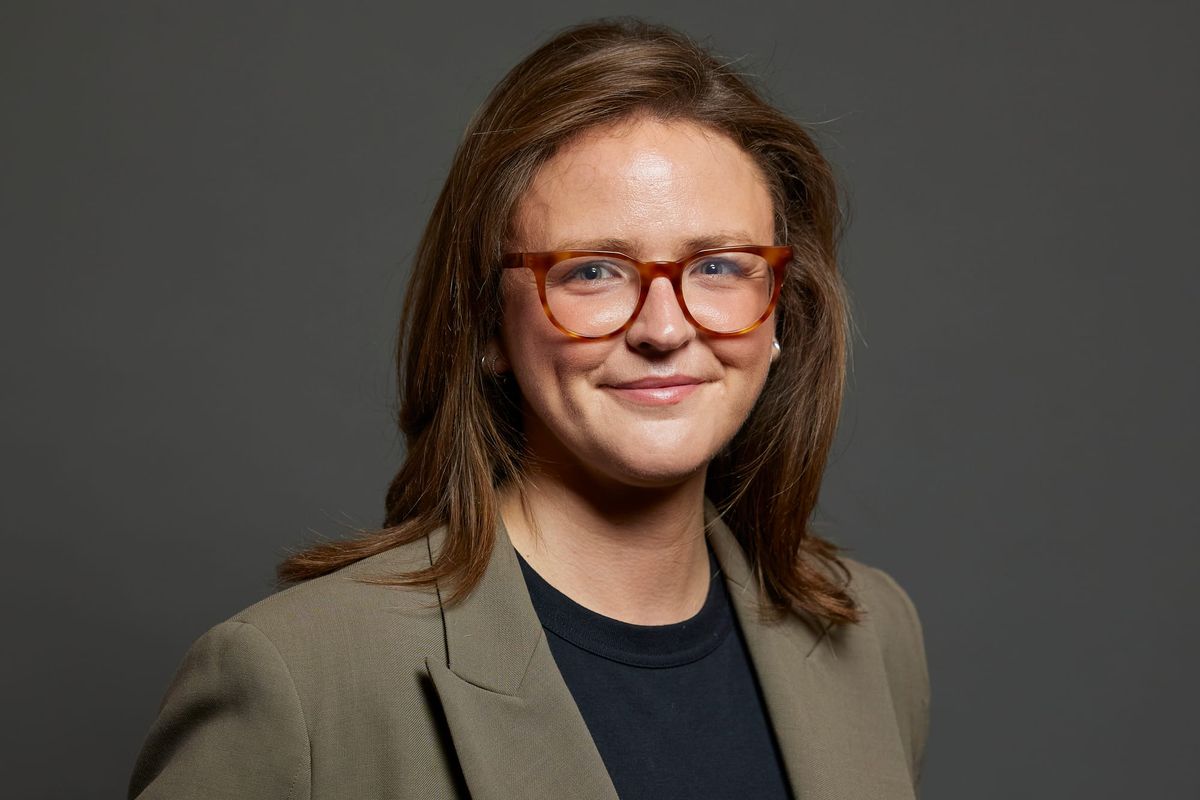
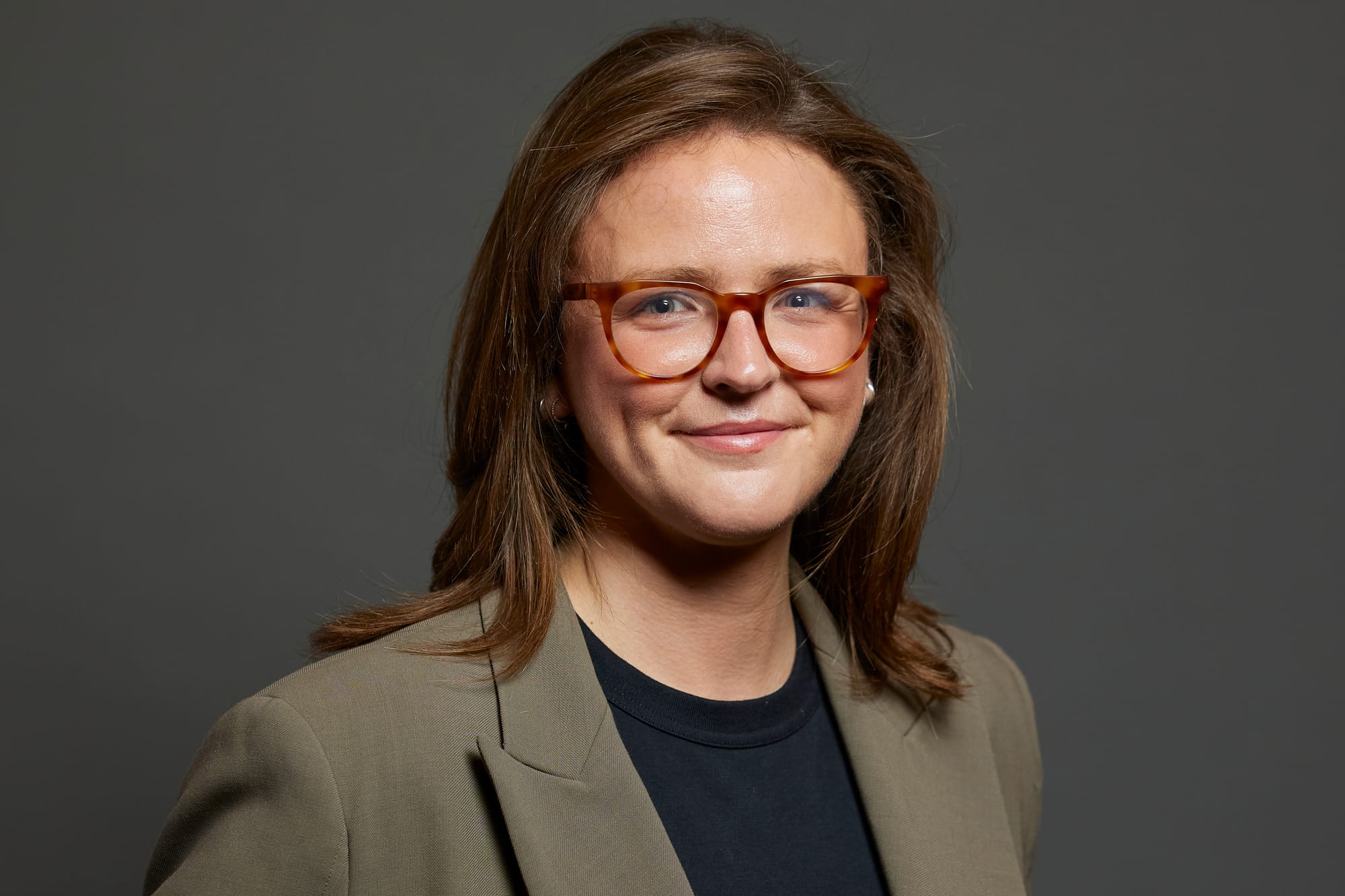
Editor’s note: Each month, we publish a guest column from one of Medway’s elected representatives, rotating between our MPs, council and opposition leaders, and the Police and Crime Commissioner. Today, we welcome Rochester and Strood MP Lauren Edwards, who discusses building a new green economy and Pride in Place funding...
The Prime Minister made the right call in keeping us out of the Iran conflict on anything more than a defensive basis. In doing so, he showed that Labour had learnt the lessons of Iraq, that the government respects international law, and will do what is in Britain’s best interests. Subsequent conversations I’ve had with a range of people show that the Prime Minister’s approach is broadly supported. The Tories and Reform seem to have realised this, and as the crisis in the Middle East veers from one extreme to the next, have started to row back on their gung-ho approach to supporting the US at seemingly any cost.
While we all hope things will calm down soon and that common sense will prevail, the crisis shows us how exposed we are to international shocks. Primarily, it demonstrates our over-reliance on fossil fuels and how the price of oil doesn’t just affect what we pay at the fuel pump - it drives the overall cost of living up too, with food prices particularly affected. But this situation isn’t new. We saw similar effects when Russia invaded Ukraine in 2022, sending global gas prices soaring. We can also draw comparisons to the OAPEC oil crisis of 1973, when households felt the effects of distant global decisions overnight.
And although we can never control global instability, we can control how resilient we are to it.
The Government was already taking short-term steps to help with immediate cost of living pressures. Prescription charges and rail fares have been frozen, the energy price cap reduced until June, and minimum wage rates and the state pension increased to help people with everyday costs. It’s frustrating that the positive impact from these policies is now likely to be undermined by a war that was started apparently without any consideration for what the global impact will be, and no clear plan for how it may end.
There is a lot of discussion about whether we should re-start largescale drilling in the North Sea to tap into oil reserves there. I hope it won’t come to that, as doing so would not, as some have claimed, help with either our energy security or lower prices. For a start, increasing UK-based production won’t protect UK households from global spikes because oil and gas prices are set on international markets. Renewable energy, however, is a sovereign resource: generated here, priced here, and capable of insulating us from future global shocks.
The lesson from this crisis is not that we need to double-down on the limited fossil fuels that are harming our planet, but instead that we should reduce our risks by diversifying the types of energy our country runs on. It’s the longer-term investment in the transition to a green economy that will deliver the energy security – and decent quality jobs – that the UK needs. Nationally, early on in Labour’s term, we lifted the ban on onshore wind. We also established Great British Energy, a new publicly owned company, tasked with driving our transition to affordable, clean and renewable power by 2030, backed by over £8bn in investment. But there are huge opportunities right here in Medway to be part of the green energy solution too.
I’ve long been of the view that the green economy is a means to bring back the jobs and opportunities that many people feel were lost when the Conservatives closed Chatham Dockyard in the 1980s. My Rochester and Strood constituency is well-placed to take advantage – particularly out on the Hoo Peninsula where existing brown-field sites around the old power station and at the Isle of Grain are being used for exciting green energy projects that capitalise on our geographical proximity to mainland Europe. Our last MP was a member of a Conservative group of climate change sceptics, but I take the impact of climate change on our environment seriously and want Rochester and Strood to be part of the solution.
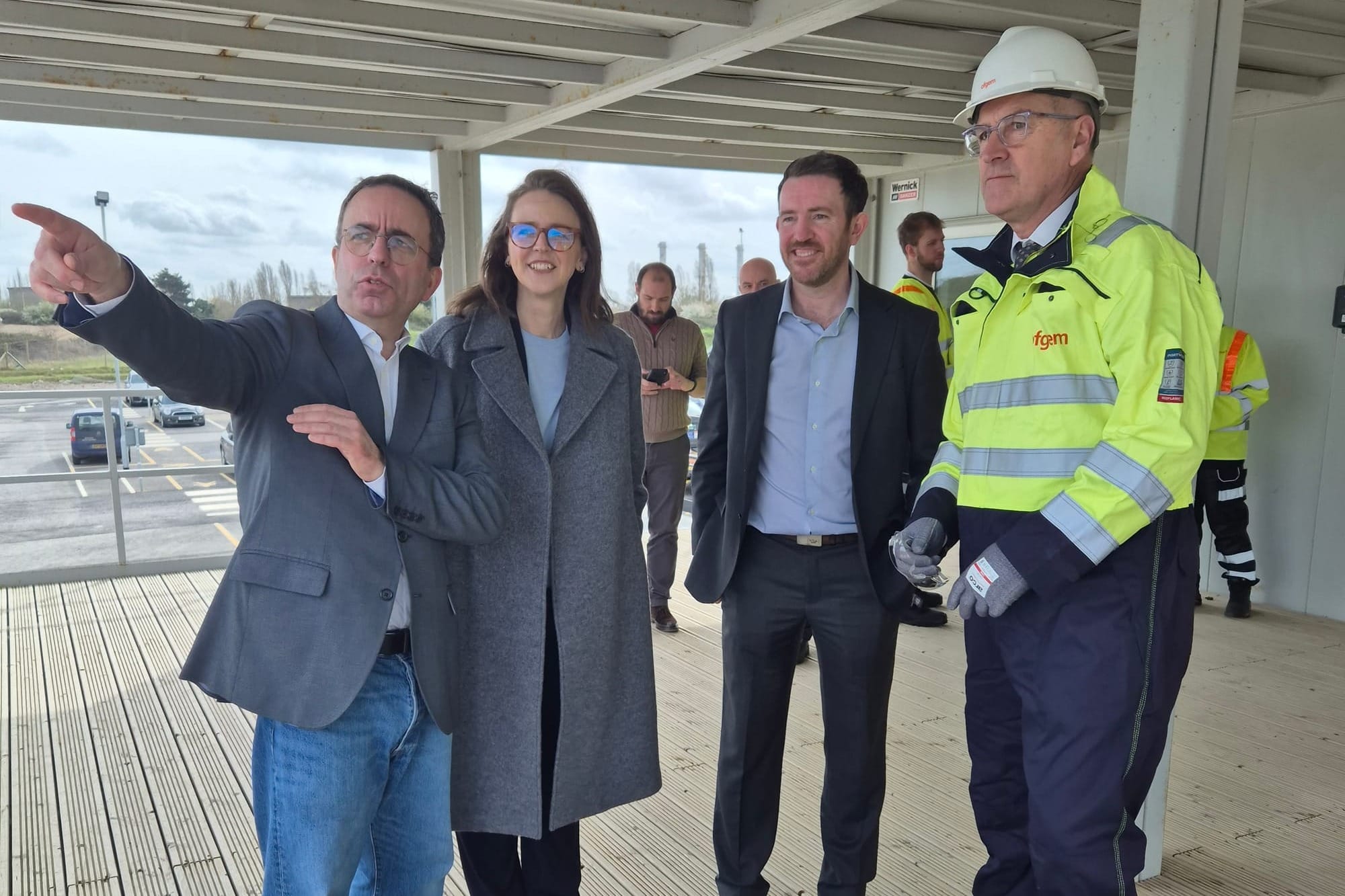
One of our local green energy projects already under construction is the NeuConnect interconnector, a major new electricity cable linking us with Germany that will be completed in the next few years. As well as increasing our energy security by allowing us to trade clean electricity with Europe, projects like this also provide jobs and opportunities. Local people make up 60 per cent of their workforce and they are using Kent-based contractors. I also recently joined staff from NeuConnect at a school in Rochester to speak with girls who were excelling in maths and science subjects, to encourage them to consider career paths into green industries.
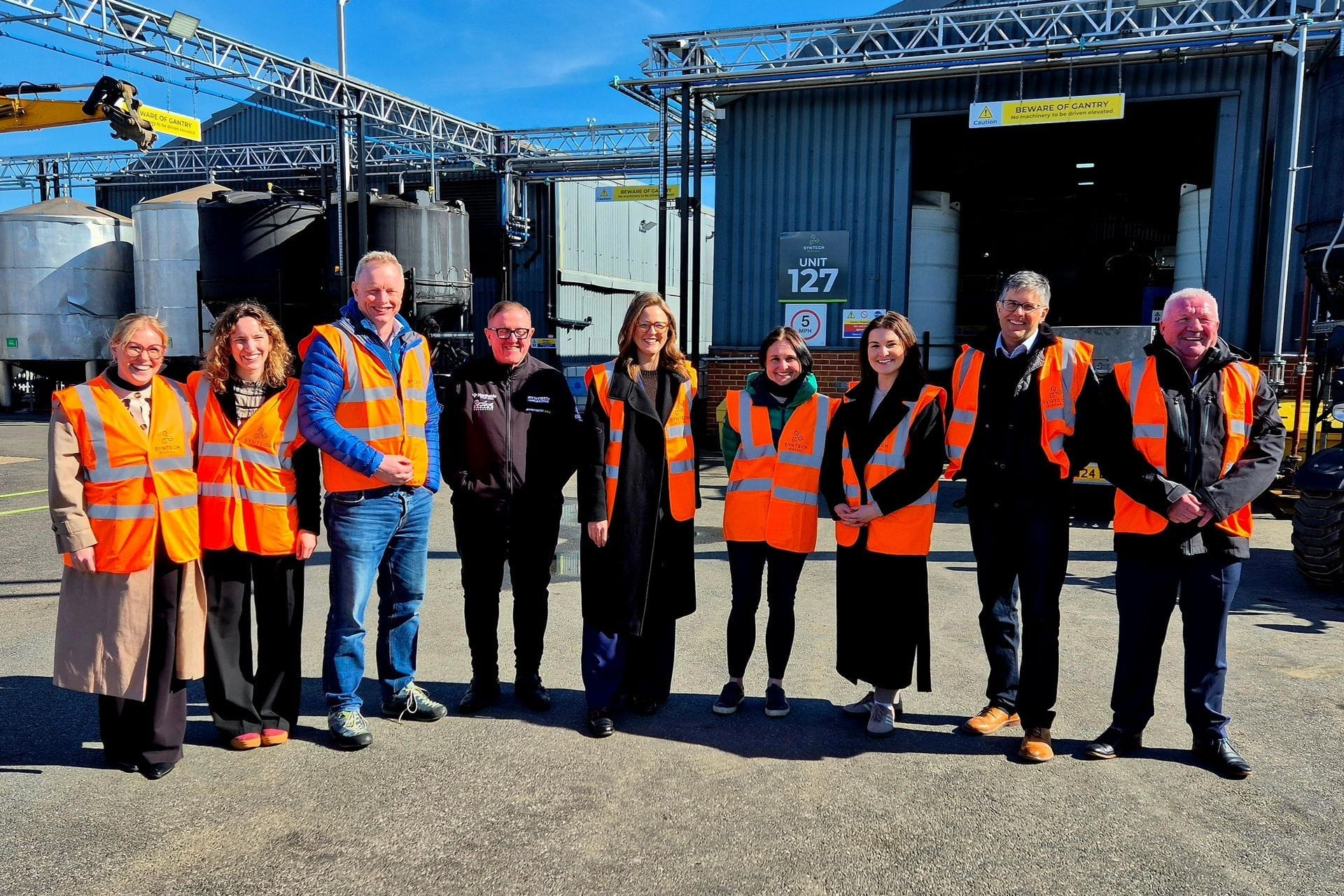
It’s this longer-term approach of linking young people, skills, and local businesses, which will ensure our area benefits from the green transition. I’ve also brought our local universities, colleges, and green businesses together to make sure local young people coming through our education system are developing the green skills our employers need. We have some incredibly innovative green companies in my patch. Businesses like Syntech Bio-fuel, a local firm working on the Lower Thames Crossing project, which will provide locally produced biofuel to replace diesel in the construction phase of the project and cut fuel emissions by up to 93%. And Thamesport, which has established itself as a low carbon construction hub at the Isle of Grain and is leading the way on what a modern net zero port looks like.
The Government’s Clean Energy Jobs Plan shows that the clean energy sector currently supports around 440,000 jobs. With ongoing investment, this is expected to almost double by the end of the decade. And I want to make sure that as many of those new jobs as possible can be found in Rochester and Strood. Instead of allowing global challenges to knock us off course, we must seize the opportunity to transition to a green economy – one built on renewable energy, green jobs, and the prospect of a healthier planet. It is also the more sustainable way to bring energy costs down so that everyone can enjoy a better quality of life and feel safer in the knowledge that we’ve got more control over our energy security.
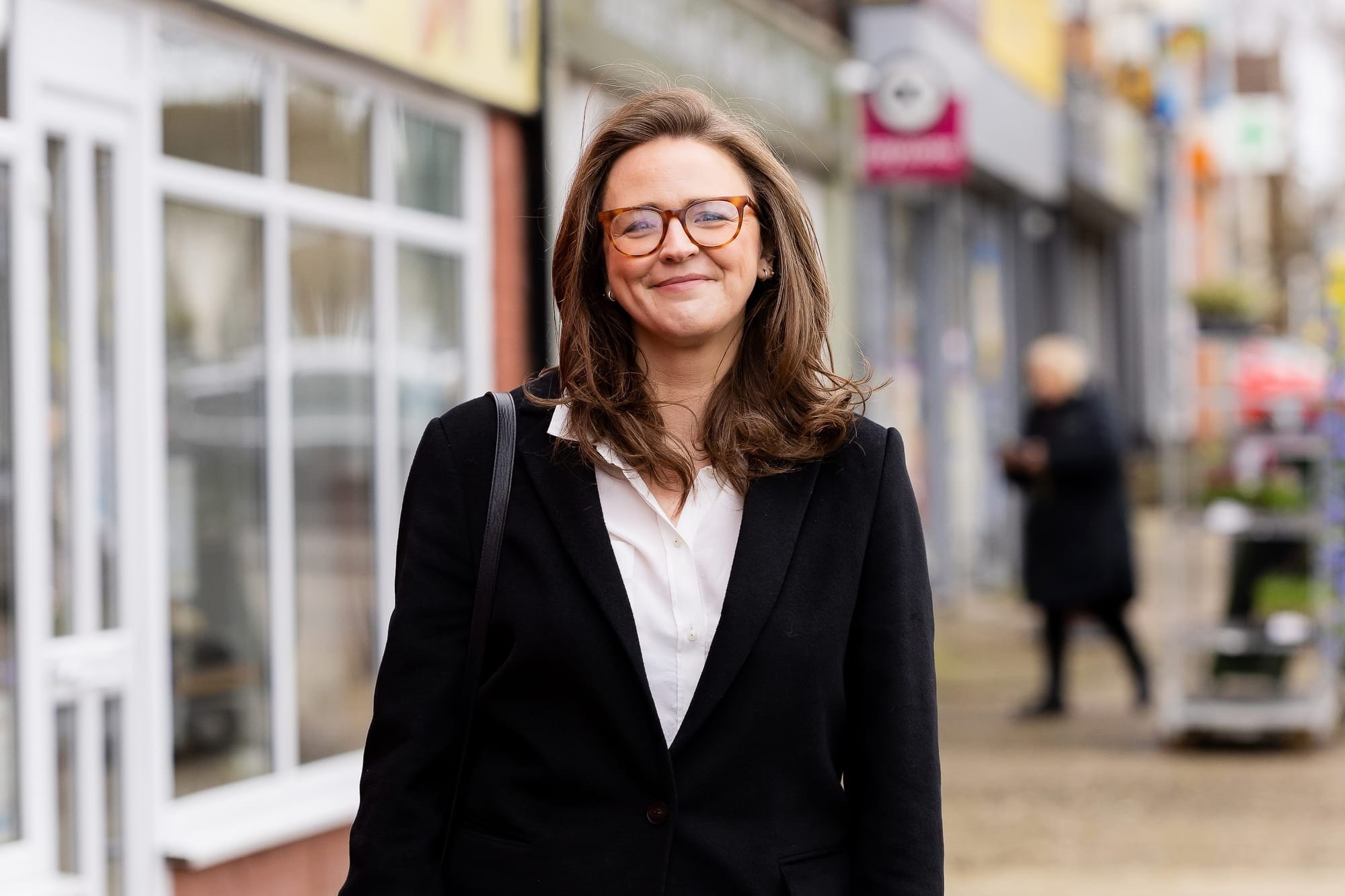
Long-term £20m investment announced for Strood - now help me shape how it’s spent.
I’d like to also take the opportunity to highlight some fantastic news for Strood – the awarding of £20m Pride in Place Funding over the next decade - and ask for Local Authority readers’ input on how it should be spent.
Quite rightly, spending decisions will be led by the people who live and work in the town. There will be a Chair and Board set up with people from the community, but I’ve also launched a local survey to encourage Strood residents to share their ideas.
If you live or work in Strood, please click this link to have your say.
Lauren Edwards is the Labour MP for Rochester and Strood.