Rochester and Strood MP takes on assisted dying battle
A Westminster fight with a Medway front line, plus by-election candidates, planning applications, weekend events, and more

Rochester and Strood MP Lauren Edwards has chosen to use her Private Members’ Bill slot to bring the assisted dying bill back to the House of Commons, putting herself at the centre of one of Parliament’s most divisive debates. We look at why she has taken it on, the local campaign against her decision, and the arguments now gathering around the bill, alongside the Cuxton, Halling and Riverside by-election, council matters, news in brief, property and events.
Rochester and Strood MP takes on assisted dying battle
Lauren Edwards has chosen her fight.
The Rochester and Strood MP has decided to use one of Parliament’s rarest opportunities to bring the assisted dying bill back to the House of Commons, placing herself at the centre of one of the most contentious debates in the country, less than two years after she was first elected.
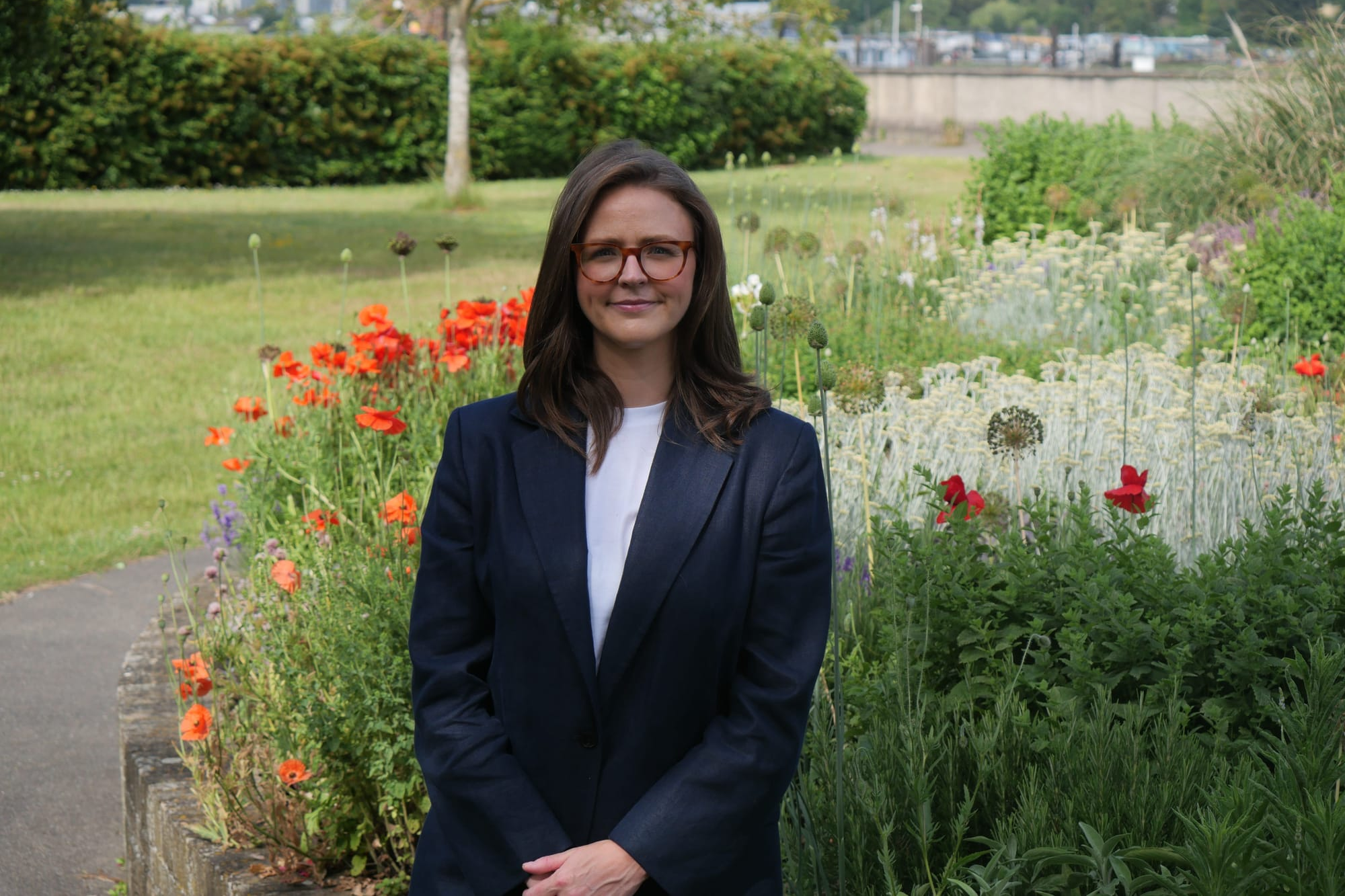
Edwards came second in this year’s ballot for Private Members’ Bills, giving her a strong chance of securing parliamentary time for a law change of her choosing. After days of speculation, she confirmed she would reintroduce the Terminally Ill Adults (End of Life) Bill, previously brought forward by Labour MP Kim Leadbeater. That bill passed the Commons last year, but fell before completing its passage through the House of Lords when Parliament was prorogued ahead of the King’s Speech.
In most circumstances, a backbench MP being drawn high in the ballot would be a local political gift. It gives them a chance to bring forward a bill on an issue of their choice, win attention for their constituency, and perhaps even change the law. Edwards has chosen the highest-risk version of that opportunity. Rather than a quieter local cause, she has taken up a bill that has already split Parliament, drawn in national campaign groups, and brought opponents to the door of her Rochester office before she had even announced her decision.
Edwards argues that MPs have already considered the legislation in detail and that Parliament should be allowed to finish the job. “This long overdue change to the law was supported by MPs during the last session of Parliament and was prevented from passing only by the decision of a minority in the House of Lords to talk it out and stop it coming to a vote,” she said.
For Edwards, the question is now partly about assisted dying itself and partly about whether the elected Commons should be allowed to make the final decision. “I believe it is a fundamental democratic principle that the elected chamber, the House of Commons, should decide what does and does not become law in this country,” she said. “We owe it to all those terminally ill people and their families who are depending on this Bill to ensure that Parliament can come to a final decision on the question of choice at the end of life.”
The bill is next due to be considered in the Commons on Friday 11 September. Edwards has sought to head off one of the major objections raised by opponents, who argue that supporters could try to use the Parliament Act to push the legislation through without the consent of the Lords. “For the avoidance of any doubt, it is not my intention that the Parliament Acts should apply to this Bill,” she said, adding that peers would be free to amend the bill and return it to the Commons if MPs pass it again.
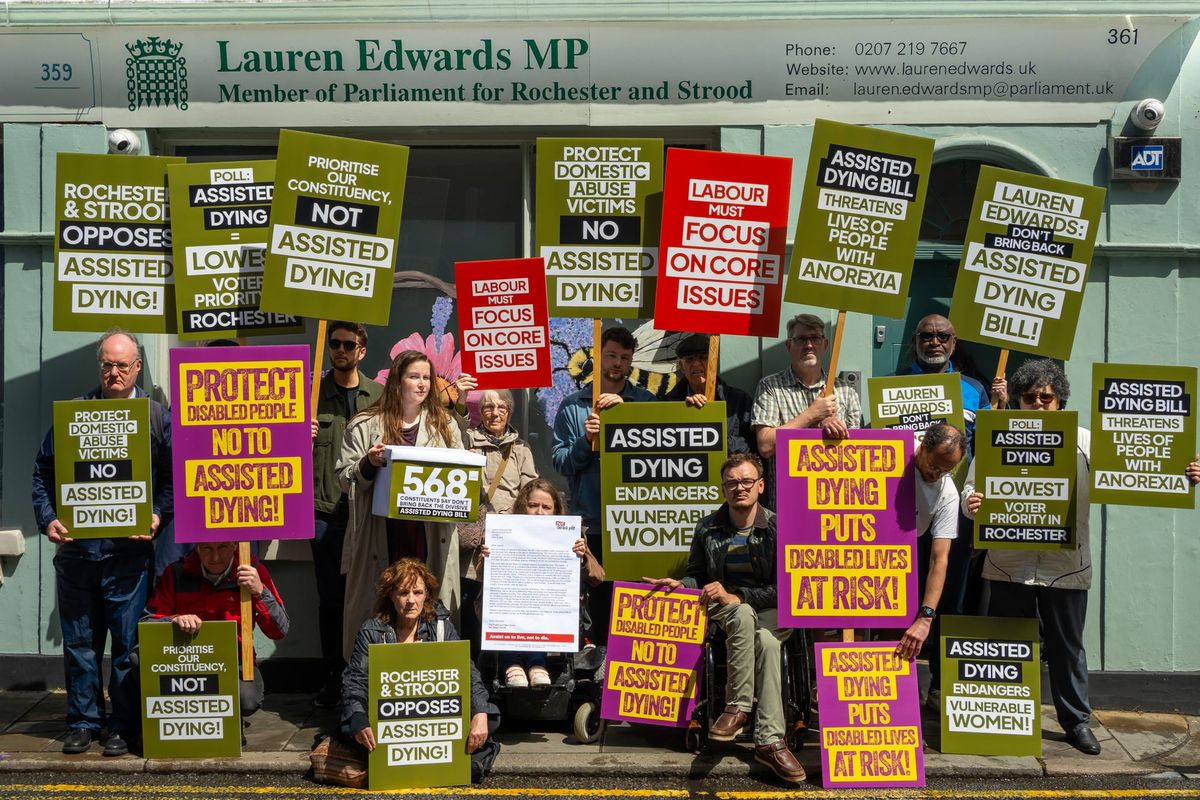
The local campaign against her decision had already begun. On 6 June, opponents gathered outside Edwards’ constituency office in Rochester to deliver a petition signed by more than 550 residents of Rochester and Strood. The petition, organised by women’s advocacy group The Other Half and supported by disability rights campaigners from Not Dead Yet UK, urged her not to bring back what it called the “divisive assisted dying Bill” and instead use her ballot slot for legislation “that would benefit and have the support of our whole constituency.”
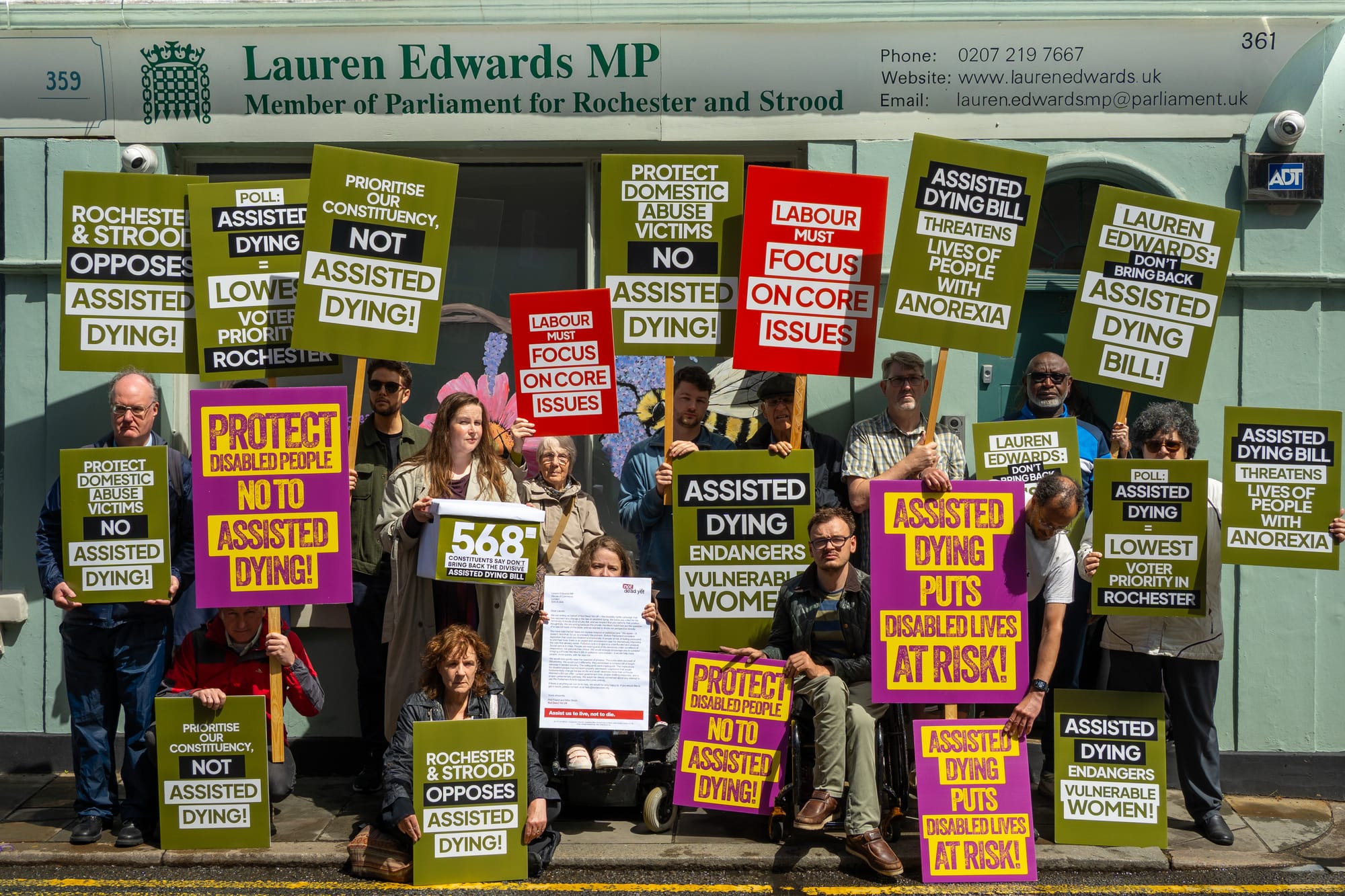
The Other Half has argued that Edwards has no local mandate to prioritise assisted dying, pointing to polling it commissioned from Whitestone Insight, which it says found legalising assisted dying was at the bottom of a list of local priorities for Rochester and Strood voters when asked what they would want their MP to focus on if she had the chance to change the law. That finding needs a little care. Being a low priority in a list of possible issues is not the same as voters opposing assisted dying. But it does show the pressure Edwards was under before her announcement, and how opponents are trying to make this not only a moral and medical argument, but a constituency one.
Fiona MacKenzie, chief executive of The Other Half, said more than 550 people in Rochester and Strood had called on Edwards to use the opportunity for a bill that would unite her community rather than reopen the assisted dying debate. The campaign has raised concerns about coercion, domestic abuse and the position of vulnerable women, while Not Dead Yet UK argued that disabled people could be placed at risk if assisted dying were legalised before social care, housing and palliative care were improved.
Mike Smith, a spokesperson for Not Dead Yet UK, said the bill posed “serious risks to many disabled people all across the UK,” arguing that disabled people in other countries had chosen assisted dying because they could not access a meaningful life. Eating disorder campaigners also joined the Rochester protest, warning that the bill’s definition of terminal illness could create risks for people with severe anorexia who refuse nutrition or other life-saving treatment.
The constituency campaign was not limited to the doorstep of Edwards’ office. A leaflet delivered in parts of Strood urged residents to contact her and ask her not to bring the legislation back. More unusually, it carried no visible imprint identifying who had produced, printed or distributed it, leaving voters with no obvious way of knowing who was behind the material being pushed through their doors.
Supporters of the bill have been pressing just as hard in the other direction. Dignity in Dying welcomed Edwards’ decision, saying it would offer renewed hope to terminally ill people and their families. The group argues that mentally competent, terminally ill adults should be able to choose an assisted death, subject to safeguards, rather than being forced to endure suffering they would not choose or travel abroad to end their lives.
Sarah Wootton, Dignity in Dying’s chief executive, said Edwards’ decision ensured the debate could continue after many supporters feared law change had been derailed. “Every day, dying people are forced to endure suffering they would not choose, while others take desperate measures because the law offers them no safe, compassionate alternative,” she said. “They deserve better.”
Elise Burns, a Kent woman living with secondary breast cancer who has spoken publicly in support of assisted dying reform, also welcomed the decision. “Like so many terminally ill people, I know that time is precious,” she said. “That’s why Lauren Edwards’ decision means so much. It offers hope that Parliament has not given up on dying people.”
Humanists UK and My Death, My Decision also backed Edwards’ move, arguing that the previous bill had been blocked in the Lords after nearly 1,300 amendments were tabled. Supporters call what happened a filibuster. Opponents argue that peers were properly scrutinising a flawed bill. Edwards has clearly chosen the former interpretation, saying the Lords’ role is to revise legislation rather than block it.
Not every response fits neatly into the usual campaign divide. The British Association of Social Workers does not take a position for or against assisted dying in principle, but says any law would have major implications for social workers around mental capacity, safeguarding, family support, grief and bereavement. It says improvements were made to the previous bill during its Commons stages, including a multidisciplinary assessment process and opt-out protections for social workers and social care professionals, but it still wants stronger safeguards, including unanimous decision-making by assessment panels and clearer powers to access relevant records.
Edwards also has backing from nearer home. Chatham and Aylesford MP Tris Osborne said he was pleased his “local colleague” would be leading on the legislation and that he would support her efforts to pass it. Osborne said he backed assisted dying in principle while also wanting to scrutinise the detail as the bill moves through Parliament.
Whether Edwards can succeed where the previous bill failed is far from certain. Opponents argue that only a small number of MPs would need to change position for the bill to fall when it returns to the Commons. Supporters argue that MPs have already backed the principle after extensive debate and that the Lords should not be able to stop the elected chamber from making a final decision.
For Edwards, the political stakes are obvious. She has taken one of the most valuable tools available to a backbench MP and attached her name to a bill that will bring national attention, organised opposition and intense scrutiny from people on both sides of a deeply personal argument. Rochester and Strood’s MP is no longer watching one of Parliament’s biggest debates from the edge, but has chosen to carry it.
Local Authority is now on WhatsApp
We’ve launched a WhatsApp channel for Local Authority, where we’ll share new stories and the occasional major Medway development directly to your phone.
Council chaos, planning rows, disappearing pubs, strange licensing hearings, and the rest of life around the towns can now be available in yet another app you already check too much.
By-election set for 23 July
The Cuxton, Halling and Riverside by-election following the passing of Cllr Phil Filmer has been set for 23 July. The Conservatives will be defending the seat from challenges from the Greens on the left, who came second in the ward in the last local elections, and Reform on the right.
The Greens were first out of the block with a candidate, selecting Trish Marchant, who must surely be thinking that her sixth attempt to win a council seat in Medway could actually be the one. The Conservatives have selected Richard Thorne, who served as their councillor for Strood South between 2019 and 2023. The Lib Dems have selected Ron Gillett, who apparently stood for the party in the ward in 2023. Elsewhere, Reform haven't officially announced a candidate, but branch secretary William Burvill has updated his social media to include pictures of him hanging around Halling, while not updating his hometown from being in Australia, but you can't win them all. No word yet on who Labour will stand, and rumours that Medway Labour staffers have been furiously checking to see if Andy Burnham might be up for another challenge appear to be false.
Council matters
Meetings next week:
- Cabinet Sub Committee for Medway Development Company on Tuesday and Audit Committee on Wednesday, but neither are likely to set the world on fire.
New planning applications:
- Scoping opinion for 2,000 homes and new local centre south of Halling.
- Application for six homes in Upper Halling.
- Division of former Poundland in Rainham to create Banking Hub and Post Office.
- Conversion of an industrial unit to a dementia day care centre in Princes Park.
In brief
🏰 Rochester Castle could be closed for weeks after a part of its staircase broke away.
🏦 Lloyds will close their last remaining Medway bank in October.
🏖️ Someone has turned a Rochester shop into a sand pit.
📚 King's School in Rochester has thrown a lot of books into a skip.
Support more reporting on Medway
Local journalism doesn’t happen by accident. It takes time, and Local Authority exists because readers choose to support it.
For Indie News Week, we’re offering your first year for £40, reduced from the usual £60 annual subscription. In addition to helping fund our reporting, you’ll get access to our interviews, features, culture coverage, and more.
Property of the week
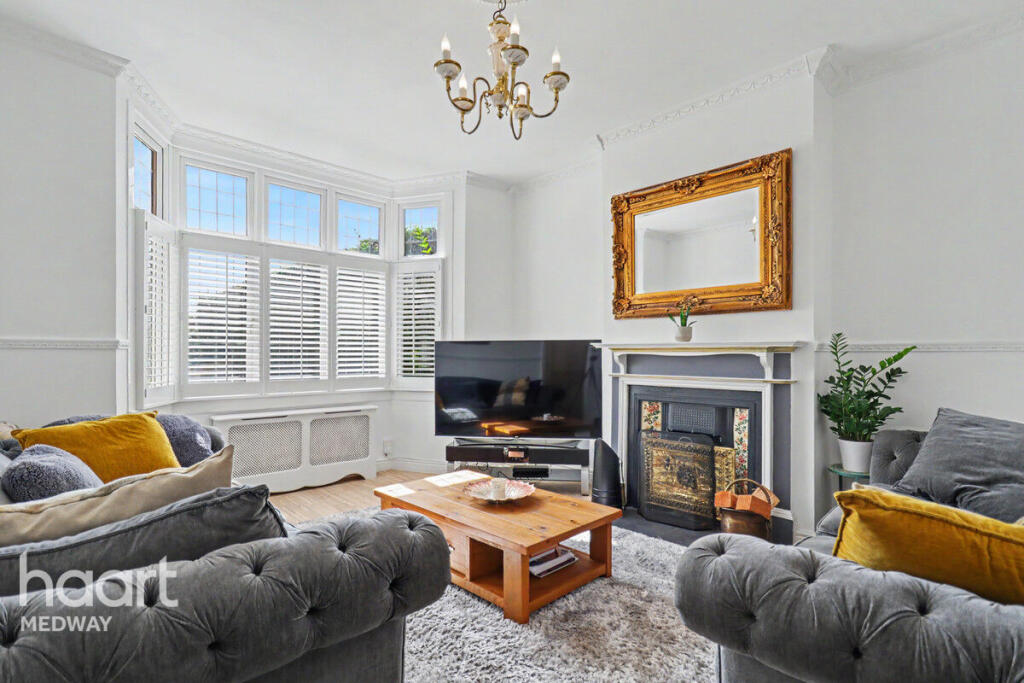
This four-bedroom semi on Maidstone Road in Chatham is on the market for £650,000 and starts off like a large but broadly normal family house, before the listing quietly escalates. It is arranged over four floors, with a lounge, dining room, kitchen/diner, large conservatory, cellar, three first-floor bedrooms and a top-floor bedroom with study space and an en-suite. Then the garden appears, fully wheelchair friendly, heavily landscaped, and complete with a swimming pool, because this part of Chatham has decided to have a Mediterranean phase. There is also a double drive, garage and carport, plus a bar area containing one of the more unexpected property listing cameos of the year. It is less a standard Maidstone Road listing and more a private holiday compound that has somehow ended up with an ME4 postcode.

Events this week
🎻 Sat 20 Jun - City of Rochester Symphony Orchestra // Performance of British favourites including Elgar and Parry. Central Theatre, Chatham. Tickets from £15.
🎸 Sat 20 Jun - Vinylglass + Mitchell Lane + Lily Maddison // Live music. Three Sheets to the Wind, Rochester. Tickets £3.
🪕 Sun 21 Jun - Summer Solstice with the Ashen Keys // Afternoon celebration of the natural world with acclaimed folk trio. St Margaret's Church, Rochester. Tickets £10.
🥕 Sun 21 Jun - Rochester Farmers' Market // Fresh produce, drinks, treats, and gifts. Blue Boar Lane car park, Rochester. Free.
Footnotes
Follow us elsewhere: Facebook, Instagram, BlueSky, and now WhatsApp for new story alerts.