Why does Medway smell like crap?
The annual mystery pong returns, Medway's finances are already under pressure, and the former St John Fisher School is finally coming down

Three stories from around Medway today, as we investigate the mystery smell drifting across the towns, examine a growing £27m budget gap at Medway Council, and end at the former St John Fisher School, where demolition has finally begun after years of fires.
Why does Medway smell like crap?
A familiar farmyard fragrance has been drifting through the towns, leaving residents asking one slightly awkward question: Why does Medway smell like that?
A powerful and distinctly excremental aroma has been drifting through parts of Medway, prompting residents from Gillingham to Rochester and our villages to reach for their phones, and possibly close their windows.
Facebook groups have been littered with posts about the mystery pong. Descriptions range from the diplomatic to the unprintable, but the prevailing diagnosis is manure.
Residents may well be on the right scent. (We're so sorry.)
Medway Council has received reports about the smell, although the number is consistent with previous years and is not considered unusual. Nor is there necessarily one enormous cloud hanging over the towns, as odours reported in different neighbourhoods may have come from separate locations.
Smells can travel considerable distances in the right weather, while Medway contains rather more countryside than anyone crawling along the A2 during rush hour might reasonably suspect. Agricultural work taking place across its rural areas is thought likely to be behind the annual assault on local nostrils.
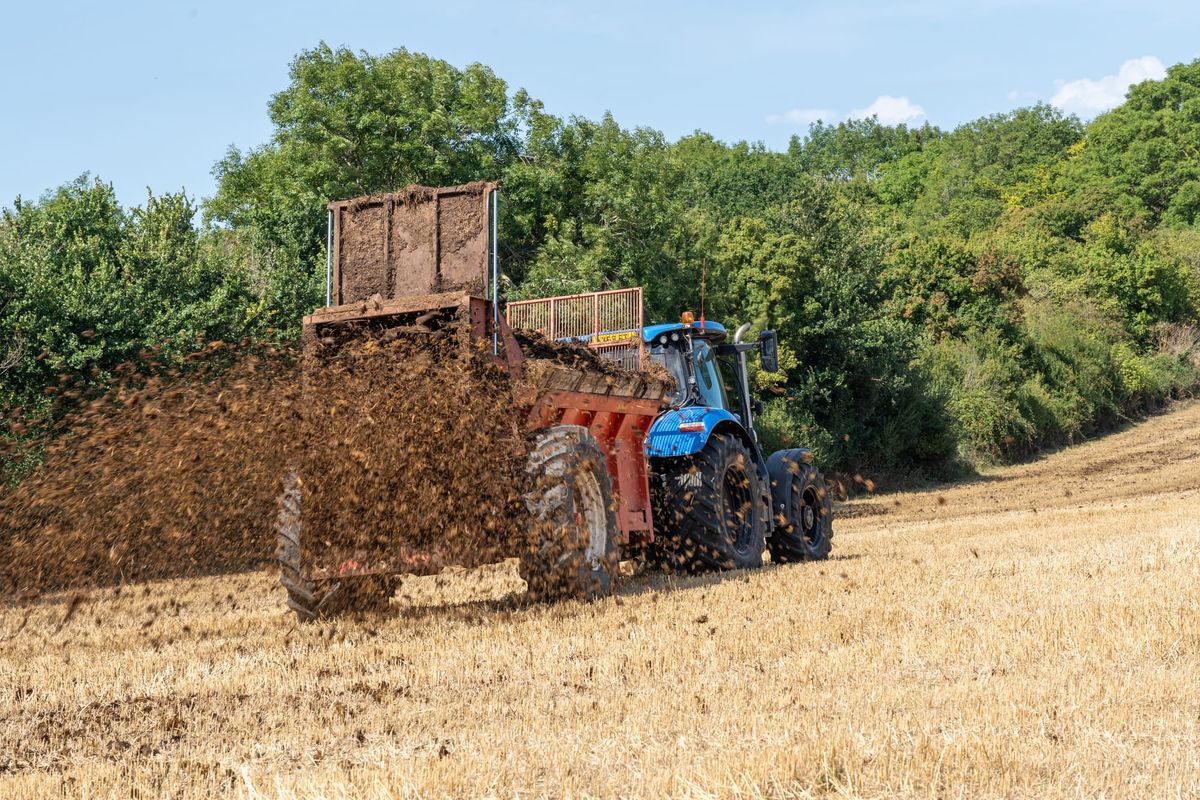
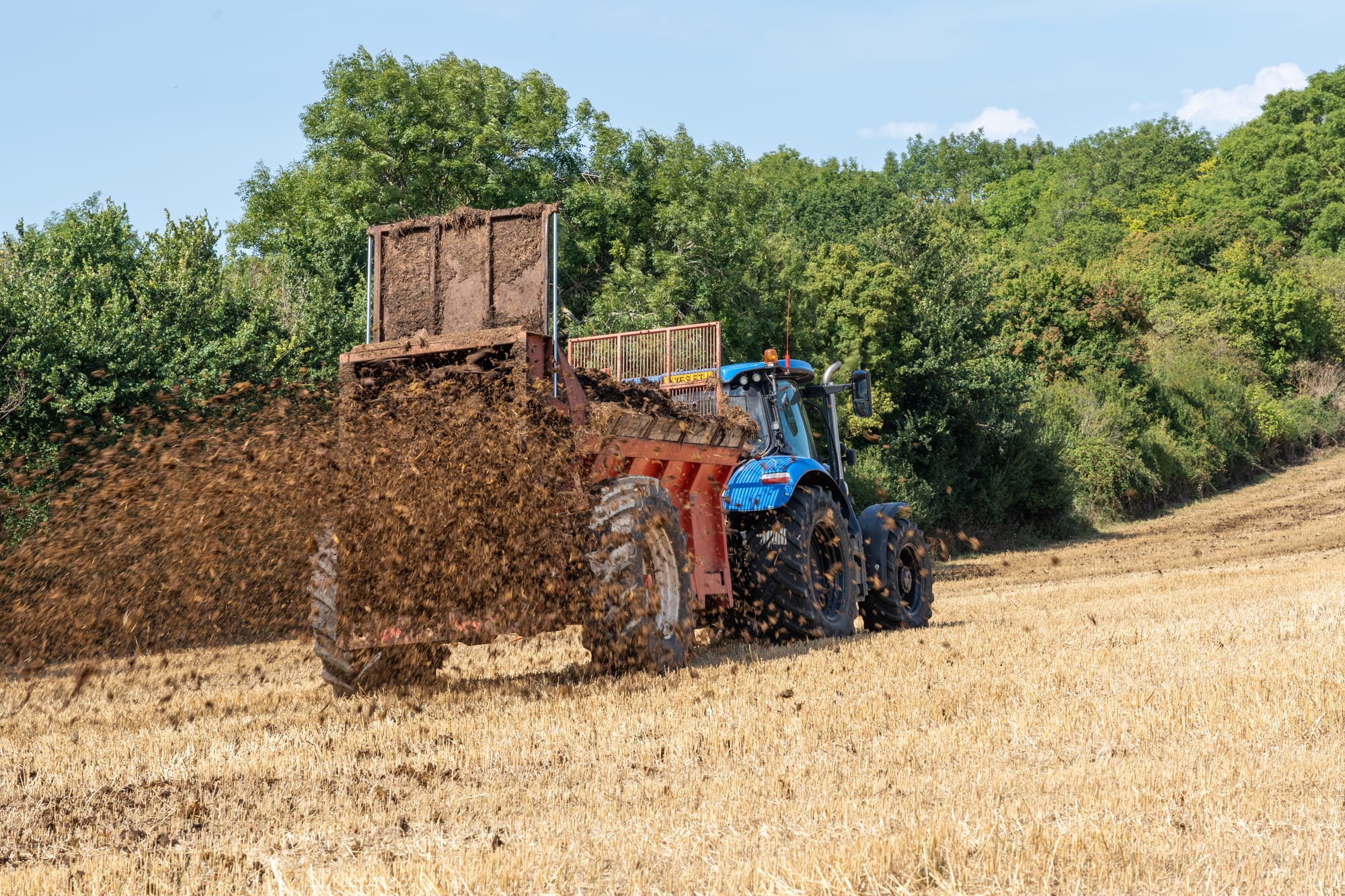
Manure, slurry and other fertilisers are commonly spread on farmland at this time of year. The recent spell of hot and dry weather may also have made the resulting smells more noticeable and helped carry them further.
The good news for anyone currently keeping their windows firmly shut is that the aroma should be temporary. It is likely to fade as work on the fields progresses and the weather changes.
So why does this happen at roughly the same time every summer?
There is no official muck-spreading season, and farmers do not collectively choose a day on which to offend the nostrils of Medway. The smell instead follows a familiar farming timetable.
Late summer brings the harvest of crops including barley, oilseed rape and wheat. Once they have been cut, farmers have clear fields which machinery can cross before the soil is cultivated and the next crop planted.
That creates a useful opportunity to apply manure and other organic fertilisers. These materials return nutrients and organic matter to the soil, support future crops and can reduce the amount of manufactured fertiliser required.
In other words, what smells appalling through an open bedroom window may be doing an excellent job in a nearby field.
Exactly what residents are detecting with such confidence is harder to establish. The word “muck” covers a surprisingly broad and largely unappealing menu.
It can mean traditional farmyard manure, liquid slurry or poultry litter, the last of which can be particularly pungent. It may also refer to digestate, the nutrient-rich material left after food, crops or manure have been broken down in an anaerobic digester.
Treated sewage sludge, commonly known as biosolids, can also legally be recycled for use on farmland. Several of these substances release similar combinations of ammonia, sulphur compounds and other gases, meaning a smell confidently identified as sewage may have come from something else entirely.
Medway might feel overwhelmingly urban, but working farmland is rarely far away. The Hoo Peninsula contains the largest continuous stretch of agricultural land in the area, while fields can also be found around Rainham, Capstone and the Medway Valley, as well as between Strood and the A289.
An older agricultural study commissioned by Medway Council estimated that about 52% of the area consisted of agricultural habitat. That leaves plenty of places from which an unfortunately positioned breeze can deliver the full countryside experience directly into people’s homes.
Weather plays an important part in deciding who receives that experience. Warm conditions can make freshly spread material smell stronger, while wind direction determines whose garden, washing line or barbecue benefits from the regional bouquet.
Still air can leave smells lingering close to the ground. People are also more likely to notice them in summer, when windows are open, and they are attempting to enjoy the outdoors.
There is no indication that anyone has done anything wrong. Agricultural businesses are expected to follow the relevant regulations and government guidance, while some activities are also controlled through Environment Agency permits.
Reports received by the council have not suggested the odour is severe or persistent enough to amount to a statutory nuisance. It has also received no reports of manure being stockpiled for lengthy periods without an agricultural purpose.
For now, there is no single culprit at whom Medway can point an accusing finger. Several farms and contractors may simply be carrying out similar work during the same brief post-harvest window.
So the answer to the mystery is considerably less dramatic than the smell.
It is August, the surrounding countryside is busy, and the wind is pointing in Medway’s direction from some particularly busy farms. Until either the farming work or the weather moves on, residents may simply have to breathe through their mouths.
Medway already facing a £27m budget gap
Adult social care has driven Medway Council towards its largest recalled opening overspend, raising the prospect of another request for government support.
Six months after Medway Council set a balanced budget for 2026/27, it is already forecasting an overspend of nearly £27m.
The council’s first revenue monitoring report of the financial year identifies £42.8m of additional pressure across its services. Officers have proposed actions intended to reduce that figure by £16.1m, but even if every one of them succeeds, the authority would still be £26.7m over budget.
It is believed to be the largest opening forecast overspend Medway has recorded.
Early monitoring figures do tend to start high before being brought down as the year progresses. Spending restrictions are introduced, vacancies are held open, and services find ways to delay or avoid costs. The council is confident the latest figure will also fall.
Even so, £26.7m is quite a starting point, particularly as it already assumes more than £16m of corrective action will work.
Local government finance is rarely simple. We try to make it make sense.
Register for a free Local Authority account to keep reading this analysis of Medway's growing budget pressures, along with more reporting on the decisions shaping the towns.
Registration is free, takes less than a minute, and helps support independent journalism for Medway.