“Just because it's not the norm doesn't mean we shouldn't be doing it”
What Steven asked Esme Michaela, actor, producer and founder of Evulve Productions
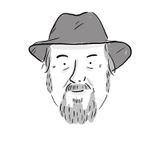
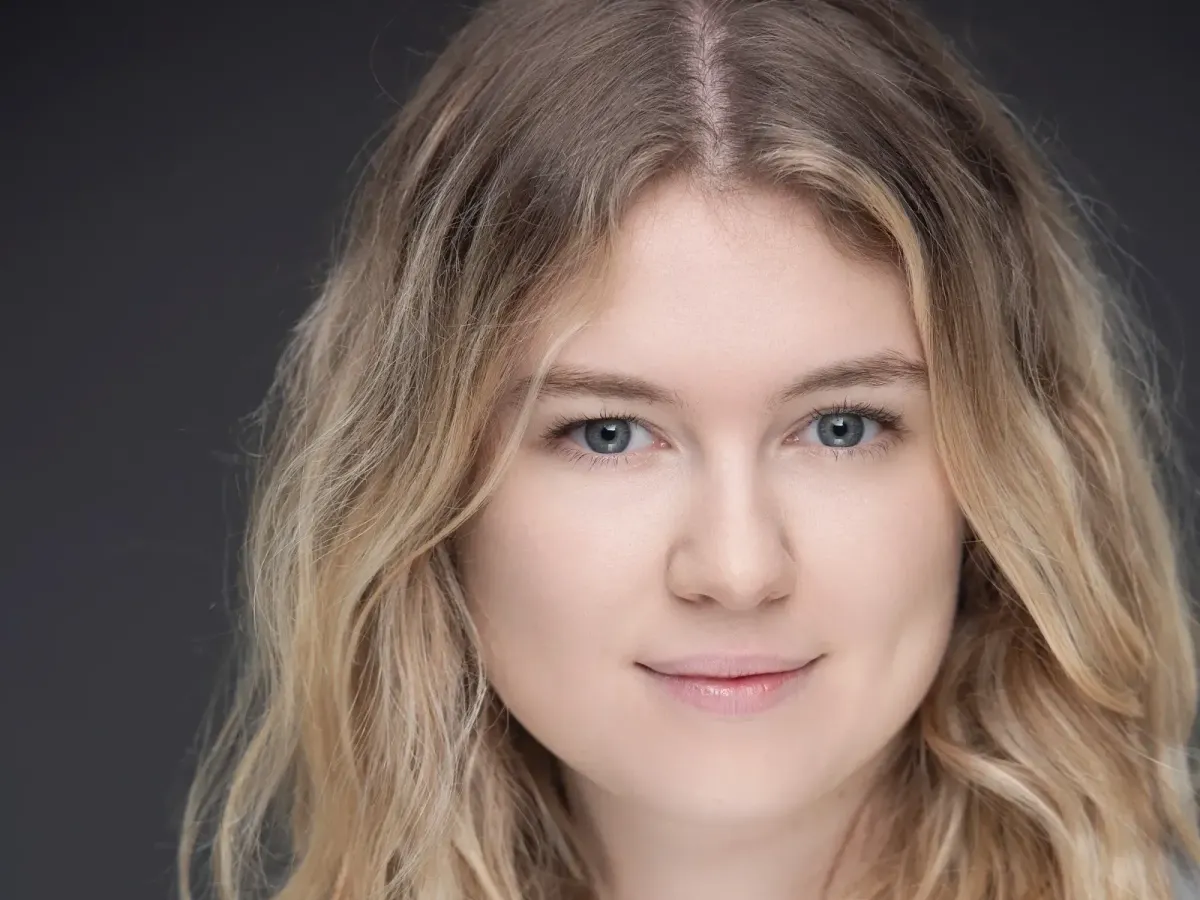
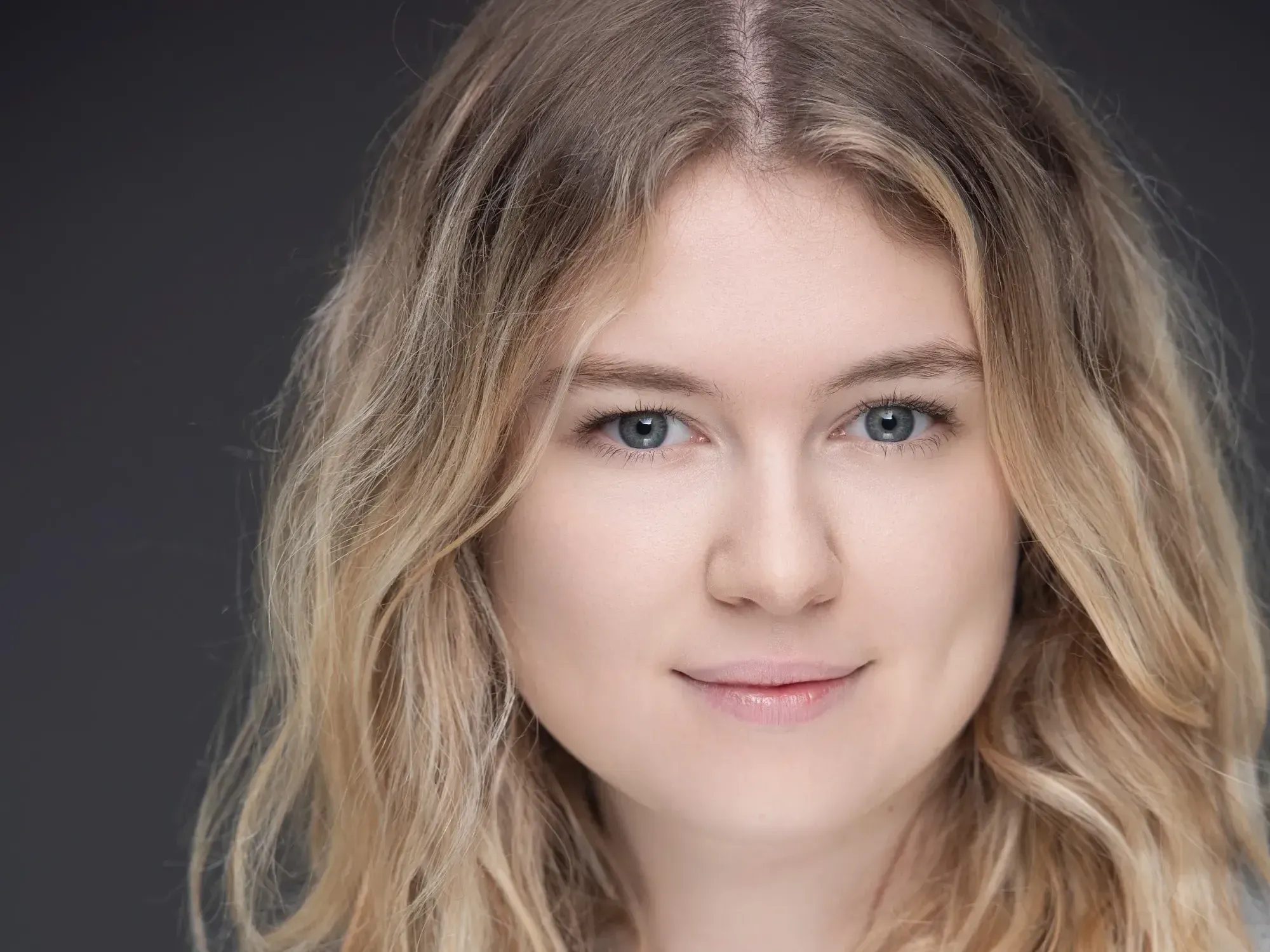
Esme Michaela is an actor, producer and founder of Evulve Productions, recently named a finalist in the UK Startup Awards. Steven met her at Store 104 to talk about making the film industry more accessible, growing up around Medway, training in New York, and why some of the most annoying advice given to aspiring filmmakers is unfortunately true.
What is your official occupation?
Actor, producer, founder of Evulve Productions.
What does your role within Evulve Productions entail?
Directing the whole company, overseeing all of the projects creatively and logistically. Sometimes I work with other people, and they might have more of a creative say, and I let them do their thing, and then I work with the logistics. Sometimes it's the other way around, and I get someone who's better at it.
I'm not very good with numbers. If the logistics is heavy on budget, then someone else will step in and do that while I do the creative stuff. We do theatre, film, podcasts, trying to bridge the gap between creatives and access to the industry through all mediums.
The company name is spelt in a unique way. Is there a reason behind that?
When I was coming up with the name, I was trying to work out what it is that I'm doing with the company. I think it is hard to know what you're going to do with a company when you're first making it, because we've evolved a lot.
But I want people to learn. I want people to evolve. And then also, we create feminist stuff. At the time, it was predominantly about female health. That’s why we used the U.
What films are you making now, or are you in the process of making?
We're in post-production for a lot of short films. All social-led work. I'd like at least one person to be able to watch something that I've worked on and take something from it or learn from it or be bettered in a way. Ideally, about something that is normally missed in traditional education or media, even though we are getting better at talking about more inclusive topics.
We've got a film called Blurred Lines, which is about queer women, young women on county lines. I grew up as a fostered child and then was a support worker in Chatham in my early twenties. I used that knowledge, and that was provided finishing funds by Stevenage Borough Council, and it's going to be having a screening at Parliament. So that's cool.
Then we've got a queer film called Love Wins that's in post-production. A couple of films are currently on the festival circuit, Slag Offers and It's a Bitch.
With Blurred Lines, what is the connection with Stevenage?
We got the finishing funds there purely because I ended up having a contact, which for any filmmaker is the most annoying piece of advice to hear, but unfortunately that's how it works a lot.
I am also a freelance producer, and I was on the producing team of a film called The Orphan, that won best scripted single at Royal Television Society East. Leo Powell, the lead creative, had done a load of work with Stevenage Council. He works with young people in schools, facilitating, and they'd done a lot of work with him. They were up for giving him funding for his film, and then I worked with them and said, because that film was about county lines, “I've got another film with my company that has similar themes. Do you want to get in on that one too?”
Which is frustrating advice as a filmmaker. I hate hearing that. “How did you do that?” and “Oh, I just knew them.”
It's not just about the chances. It’s how you take advantage of those chances.
I don't think the film industry is accessible
What is a feminist production company?
I would say a company that wants to better its audiences through their work.
I'm an intersectional feminist, so the company is intersectionally feminist.
What does that mean for the readers?
Feminism for all, equality for all, for everyone. There's no group that wouldn't benefit in my view. Equality in all areas.
Within Evulve or within bringing intersectionality into production opportunities, what's an unpopular opinion you have?
I don't think that we should be expected to be working 12 to 14-hour days. I don't think the film industry is accessible. I have a chronic illness. One of the reasons why I started making my own stuff is because I can't stand on set for 14-hour days.
I think it's Christopher Nolan who has a rule, 'No chairs on set. As soon as you sit down, you lose your concentration,' and my partner thought, 'He doesn't have any disabled people on his set?' I thought, 'I bet he does. And I bet they just push through because they're on a Christopher Nolan set.'
Unfortunately, that change comes right from the people with power who have these big productions. But I think all of our sets should be more accessible and inclusive. Just because it's not the norm doesn't mean we shouldn't be doing it.
Where, in that intersection, where you are in terms of disability or challenges with being on set?
I have mobility issues because of chronic illness. I have endometriosis, potentially. It's a long road to diagnosis. I get pain sometimes just sitting down, let alone standing up.
And that doesn't mean I can't be on set, regardless of whether I'm producing it or if I'm running on that set. It means that I get some mitigations in place. Everyone does, and everyone should. I don't think that should be controversial. But unfortunately, it is.
Things like getting call sheets last minute. People send call sheets out the night before because you can, because it's normal, but it doesn't mean you have to. You could send it two days before, so no one is anxious the night before, and they can plan their travel, their breakfast, their sleep, and all of that.
What is Popcorn and Patriarchy?
That is our brand-ish new podcast. We're a few months in. We launched in May. It is a film review podcast where we review films through a feminist lens. At the moment, films with feminist themes, but the ideal is to get to films without feminist themes and really push that boundary.
What films have you covered?
Our first film was Barbie. The most recent episode was about Sinners. We shoot a little bit in advance, and we recently shot our episode for Parasite.
We also have a creative hang-up hotline where people can send in their thoughts and concerns about either the industry or next steps to create what they want to create. My co-host will do a creative challenge inspired by the film and make something silly and wonderful, and then we'll talk about what that was like for him, especially when it's something new.
If you don't share your opinions, then you're never going to know if anyone agrees either
You launched a Substack?
That's our newsletter, our new online magazine where I talk about my controversial opinions about the industry, just in a more candid way. If something's happened, like Edinburgh bringing in the tourist tax right before Edinburgh Fringe Festival, I'll do some research about that and really unpick what it means for people going to Edinburgh, either as a performer or audience. But do that for film, theatre, and anything that comes up in the industry.
Are you at all concerned about developing a reputation early in your career as 'difficult' or 'challenging'? I'm not saying you should be, but that kind of reputation can be read very differently depending on gender, especially given how patriarchal double standards still shape who gets praised for being assertive and who gets penalised for it.
No, because I think if we want to change the industry, someone's got to do it. And if they're not doing it in the massive budget films, I may as well start doing it down the bottom.
And if you don't share your opinions, then you're never going to know if anyone agrees either. I think a lot of people do have these opinions. They're just too scared to say it.
From Chatham to New York.
Esme’s route into film has taken her from Spotlites Theatre to training in New York, with plenty of unexpected connections along the way. Register for free to continue the interview, as she talks about bringing Femi Fest to Medway, being told she would bring down her grammar school’s grades, finding her way back to Spotlites, losing her faith, and the advice she has for young women who want to break into film or theatre.