What kind of democracy does Medway want?
Scrutiny, civility, and basic democratic questions are on this week's agenda. Plus a look at NHS waiting lists at Medway.

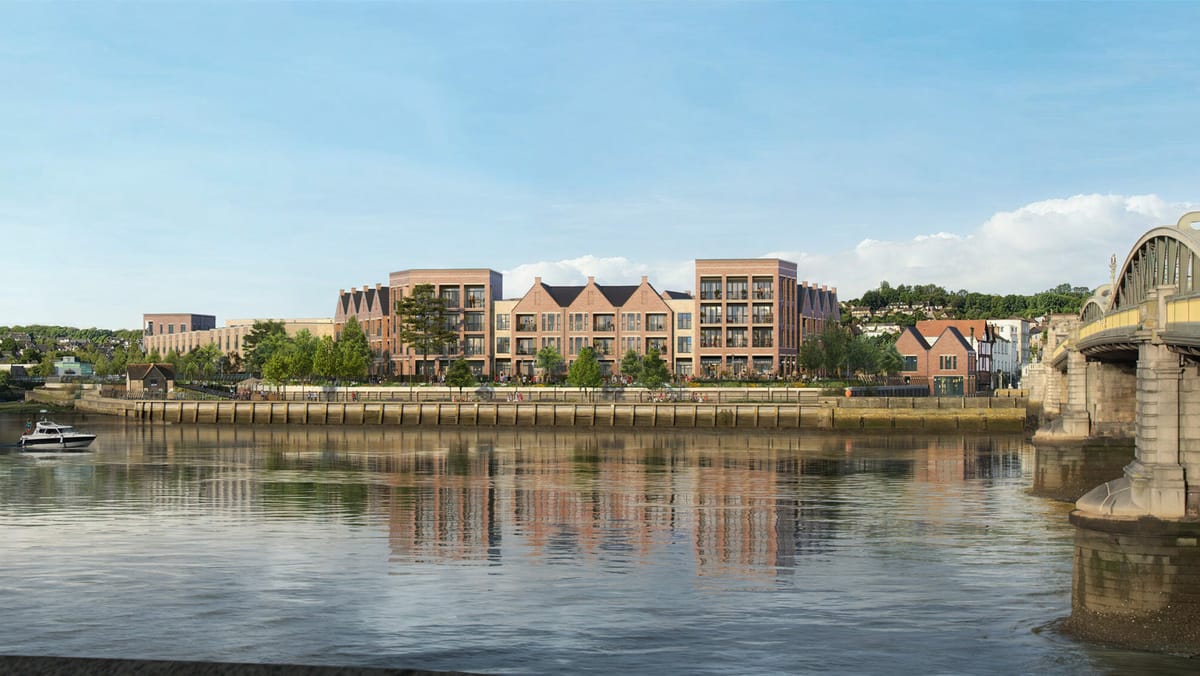
This week’s full council meeting puts power, scrutiny and democratic space under the spotlight, with councillors asked to take a position on intimidation in council chambers and facing growing criticism over changes that limit the voice of smaller political groups.
We also report on the latest NHS figures showing Medway Maritime Hospital is still carrying a waiting list of more than 74,000 patients, with tens of thousands waiting longer than the NHS says they should.
A council deciding what kind of democracy it wants to be
If you wanted to design a full council meeting that quietly captures the state of Medway politics in early 2026, you would probably end up with something very close to what is heading for the chamber on Thursday night.
On paper, it looks routine enough. Motions, questions, a constitution tweak, and a couple of asset disposals quietly noted at the end. The kind of meeting that usually drifts by unless something kicks off.
Look more closely, and it feels more like a meeting about power, control, scrutiny, and who gets to use the council chamber in the first place. It is about where democratic debate happens, who gets to shape it, and how much space is left for challenge.
The most serious moment of the night will come with a motion from council leader Vince Maple following the scenes at Swale Borough Council last month. That meeting was suspended after a coordinated group of far-right activists subjected councillors to sustained abuse, intimidation and disruption during a debate on whether Swale should join the national sanctuary scheme. Councillors were shouted down, called paedophiles, spat at, and pelted with eggs. Toilets were vandalised, and a lift was damaged in scenes that one councillor said felt more like a putsch than a democratic meeting.
The motion that triggered the disorder was limited in scope. It proposed appointing a lead member and officer to explore how existing services could better support refugees already living in the borough. It did not allocate housing. It did not commit funding. It did not change immigration policy. Councillors were free to vote it down, which they did.
None of that mattered. The meeting itself became the target.
You can read more about the incident at Swale on our sister title, the Kent Current:
 Ed Jennings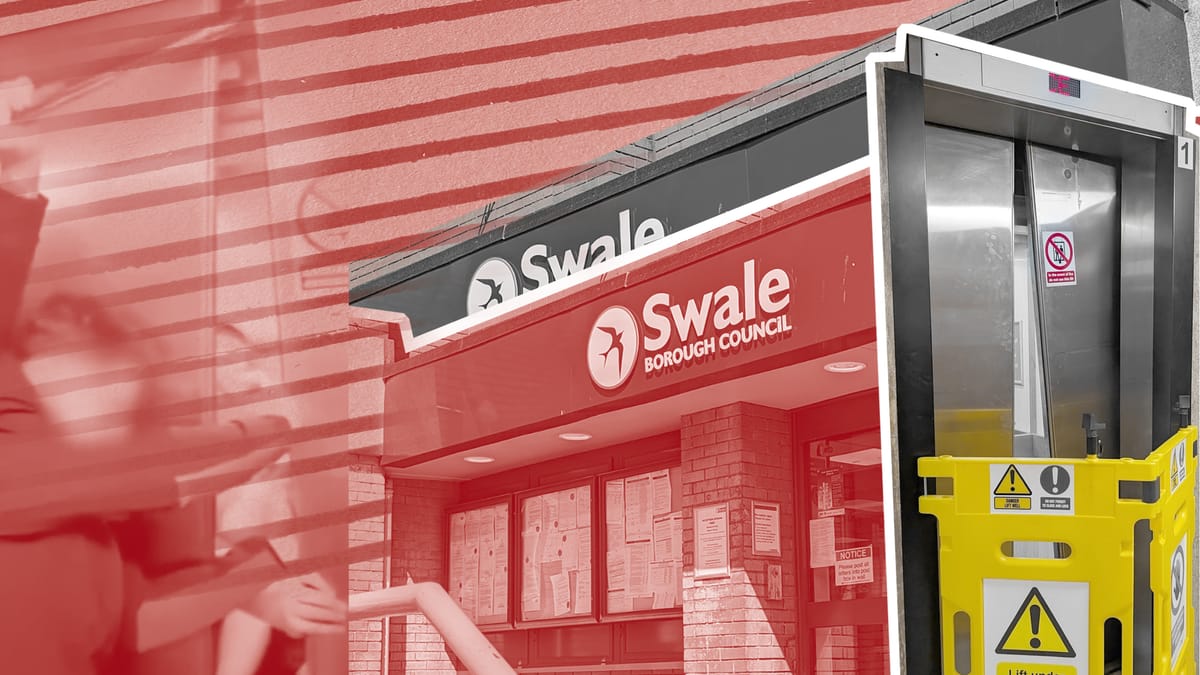
What happened in Swale is part of a wider pattern now visible across Kent. A small network of activists has become increasingly adept at turning online mobilisation into in-person confrontation, blending conspiracy content, anti-migrant narratives and calls for direct action, then turning up to cause disruption.
Maple condemned the criminal damage at the time. Now Medway is being asked to take a formal position on violence and intimidation in council chambers. The obvious question is whether the rest of the chamber will join him.
Condemnation in Swale came from across the political spectrum. Conservative, Labour and Liberal Democrat figures all described what happened as appalling. MPs from different parties warned that this kind of behaviour deters people from standing for election at all. The Commons Speaker called it an attack on democracy itself.
So will Medway’s opposition groups back the motion? Or will party positioning get in the way of drawing a clear line around what is and is not acceptable behaviour in local democracy?
It is an uncomfortable debate, but an unavoidable one. Local government is built on the assumption that debate can happen in public and that councillors can do their jobs without being intimidated. Once that assumption breaks down, the whole system starts to wobble.
From there, the meeting turns to another question on how democratic space is being reshaped within Medway itself.
Cllr Elizabeth Turpin’s motion may turn out to be more significant than its subject matter alone suggests. After Labour and the Conservatives voted through constitutional changes that strip smaller groups of guaranteed motion slots, this could be one of the last Independent Group motions Medway sees for some time.
Under the new rules, only political groups holding at least 10% of council seats are guaranteed a place on the agenda. In Medway, that threshold is six councillors. The Independent Group has five. Reform has three. Both have lost their automatic right to bring motions to full council.
Instead, they will have to hope their motions are selected via a ballot system. Two unallocated slots per year. They might get one. They might get none.
The previous system gave every group one guaranteed motion per meeting. That is now gone.
Labour’s argument is that meetings were running too long and needed streamlining. That does not explain why alternative models that would have preserved a guaranteed voice for smaller groups were rejected. Nor does it explain why the threshold was set in a way that excludes nearly 10% of the chamber by design.
At the time, Labour councillors could be seen laughing and making exaggerated boo-hoo gestures at members of the smaller groups as they raised concerns about being shut out of the democratic process. Reform has since said it is considering legal action.
 Ed Jennings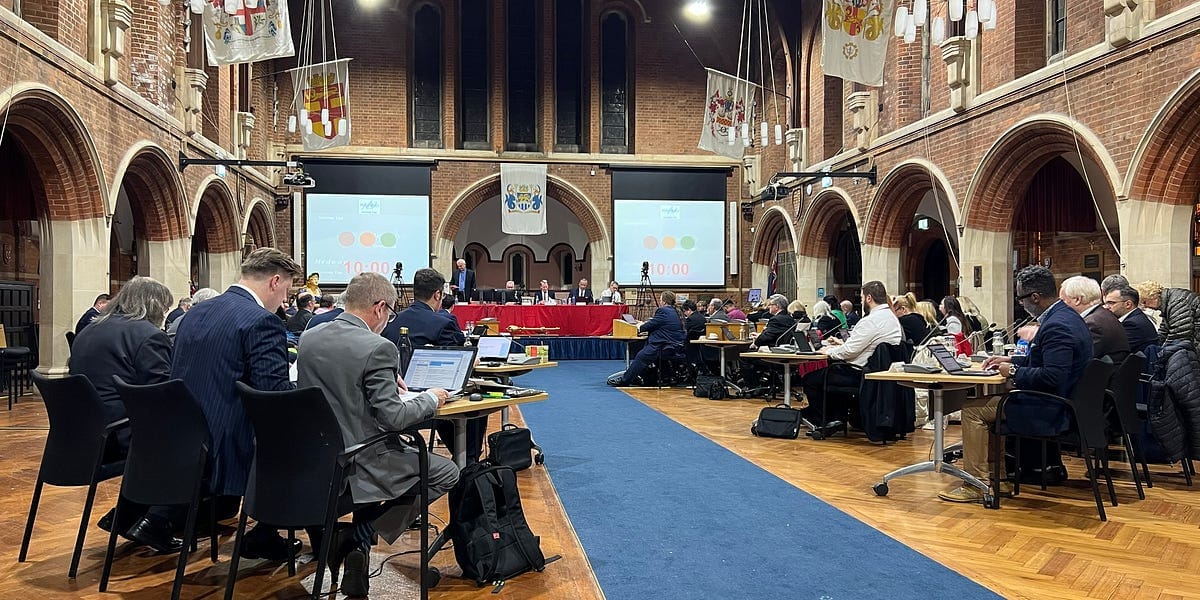
Given the administration has shown no intention of changing course, when Turpin stands up on Thursday, it may be one of the last times an Independent Group councillor gets to use the motion slot.
Members’ Questions bring the Local Plan back into the frame just days after we reported that two Labour councillors from Strood have formally told the Planning Inspectorate that the plan is unsound and not legally compliant.
This is the document that will shape Medway’s growth until 2041. It determines where more than 26,000 new homes will be built, which green spaces will be protected, and how the area will change over the next 15 years. It is the most important policy document the council produces.
The council submitted it to government with a press release describing it as a “milestone moment” that puts “community at the heart” of Medway’s future.
Behind that press release sits a more complicated reality.
Cllr Stephen Hubbard has told the Inspectorate that the plan is not legally compliant, not sound, and based on flawed housing numbers. His objections focus on the release of green belt land in Strood, which he says represents a sharp and unjustified departure from earlier drafts.
Cllr Satinder Shokar has told the Inspectorate that the plan fails national policy on Gypsy, Traveller and Travelling Showpeople provision and carries equality law risk. He says it does not allocate required sites, relies on overcrowding existing ones, and fails to assess the needs of families.
Both are members of the ruling administration.
Hubbard refused to explain his position publicly. Shokar voted for the plan anyway, saying he had been assured his concerns would be fixed later.
None of this prevented the council from submitting the plan.
Now Independent Group councillor Michael Pearce is forcing the contradiction into the open. His question bluntly asks whether Cllr Maple agree with his two Labour colleagues that the plan is unsound, fails the duty to co-operate, and is not legally compliant?
It is a simple question with no comfortable answer.
Another question from Cllr Turpin opens a different door, asking whether Medway residents will even get a vote in 2027.
Other parts of the country have already suspended local elections in preparation for local government reorganisation. If councils are being abolished and replaced with new unitary authorities, there appears little point in electing people to bodies that are about to disappear.
Medway is due to hold elections in 2027. But if reorganisation is moving ahead for 2028, that vote may never happen.
At a time when democratic space is already being narrowed, the idea that the next election could simply be cancelled is not a minor procedural detail.
Alongside all of this sits a review of the constitution and the trial changes to questions at Cabinet and full council. The stated aim is streamlining. Fewer questions at full council, more at Cabinet. In theory, it should result in shorter meetings.
So far, there is no clear evidence that meetings are actually shorter. What is clear is that far fewer questions now come to the one meeting that most residents actually watch.
Full council is where the livestream audience is. It is where political accountability is most visible. Moving questions to Cabinet shifts scrutiny into a room with a fraction of the audience and far less public attention.
You can make a respectable case for efficiency. You can also make a respectable case that this quietly reduces the visibility of scrutiny at exactly the moment when trust in institutions is already under strain.
Then there are the items that will be nodded through without debate.
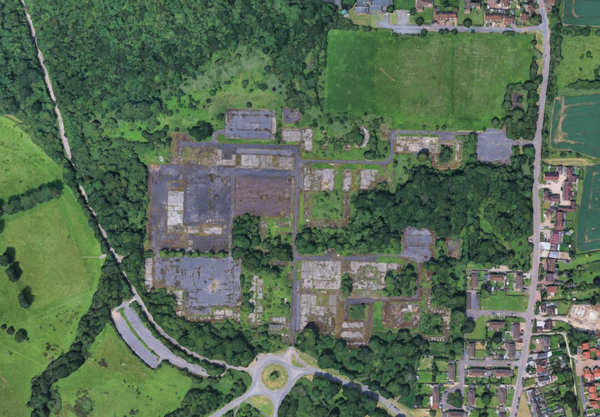
Medway will formally note the disposal of the former Civic Centre site in Strood and the sale of Gillingham Business Park. The deals have already been done, so the reporting here is largely procedural.
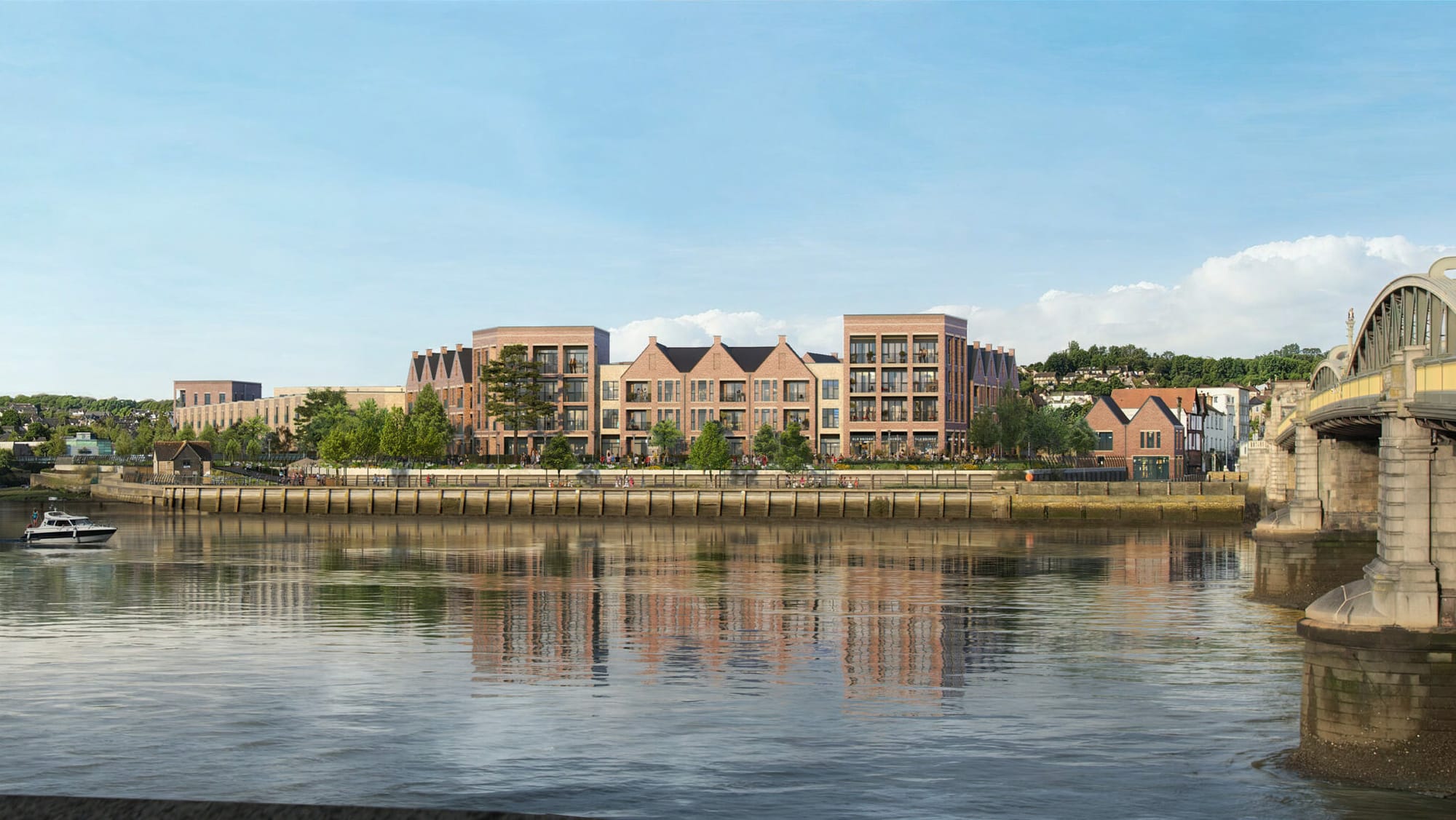
In Strood’s case, there is an added layer of farce. The council has sold the former civic centre to a company it owns. In other words, Medway Council has sold a major redevelopment site to Medway Council.
Put together, Thursday’s meeting feels less like routine council business and more like a moment of self-definition.
It is a chance to see how Medway responds when democratic process is put under real-world pressure, how comfortable the administration is with narrowing the routes for challenge, and how much scrutiny it is prepared to tolerate in the most public room it has.
Some of the decisions on the agenda have already been taken elsewhere. Some of the arguments have been rehearsed behind closed doors. But full council is still the place where the mask slips, where tensions surface, and where the direction of travel becomes harder to disguise.
If you want to understand where power sits in Medway now, Thursday night will tell you a lot.
Medway hospital backlog remains at 74,000 despite claims of progress
Last week, Medway MPs took to social media to celebrate that waiting lists at Medway Maritime Hospital had fallen by more than 6,700 since the election, describing the change as 'important progress' and saying it was helping hundreds of residents each month get back to good health.
The latest NHS England data does show that the list has been coming down. But it also shows the scale of the problem that remains.
As of November, 74,208 patients are still waiting for treatment at Medway NHS Foundation Trust. Just 56% are being seen within the NHS 18-week standard, leaving almost 33,000 people waiting longer than they should for consultant-led care. The NHS target is 92%.
There are also 1,828 patients who have now been waiting more than a year for treatment, despite NHS England telling trusts to eliminate these long waits altogether.
The biggest backlogs are in ENT, rheumatology, neurology and cardiology. In ENT alone, more than 3,000 patients are waiting longer than the 18-week target, with typical waits stretching well beyond four months.
So while recent reductions are real, the official figures show a hospital still carrying a waiting list the size of the entire population of Chatham, and still missing the NHS standard by a wide margin.
For tens of thousands of Medway residents, the reality is unchanged. They are waiting far longer than the NHS says they should.
Footnotes
Help us start strong in 2026. Local Authority can only exist because some of our readers pay to support it. If you value our journalism, please consider joining them. An annual subscription costs just £1.15 per week and helps us build a better way of telling the stories that matter to our towns.
Follow us on social media! We’re on Facebook, Instagram, BlueSky, and Threads, but not that other one.