Voice of the MP - Gillingham and Rainham
Gillingham and Rainham MP Naushabah Khan MP on new restrictions on HMOs

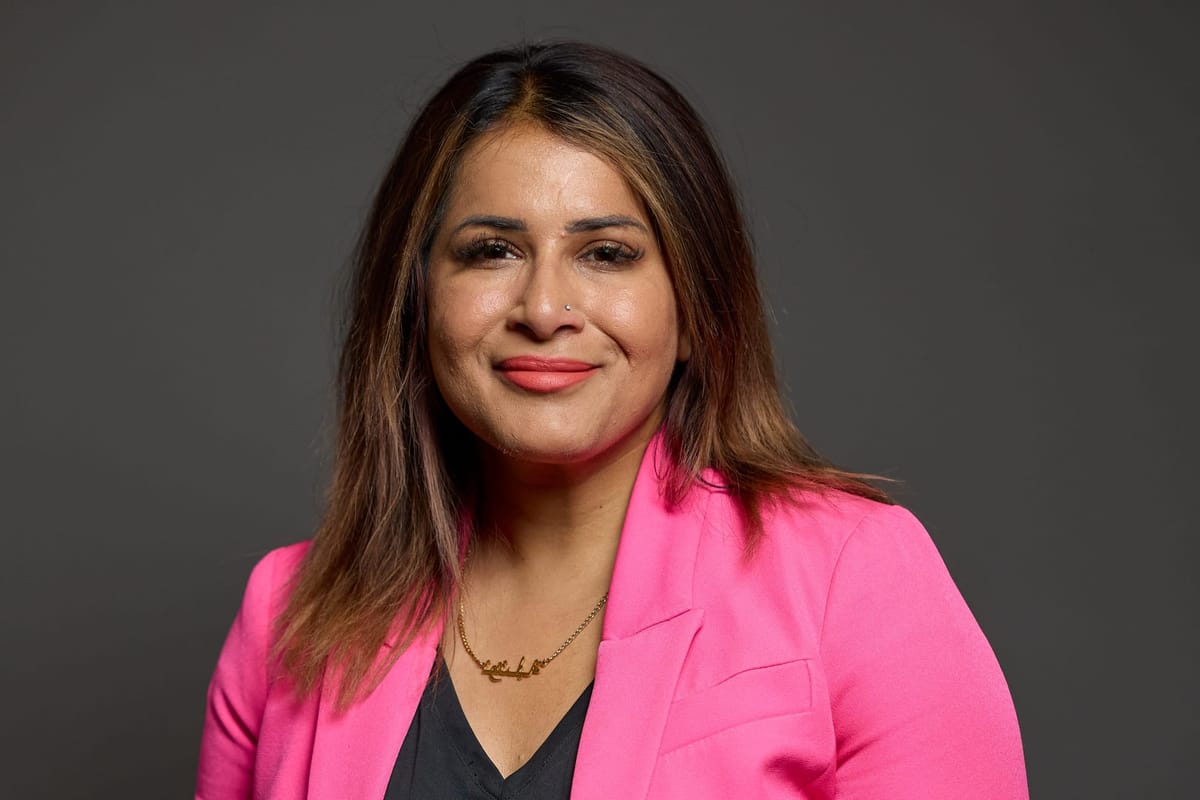
Editor’s note: Each month, we publish a guest column from one of Medway’s elected representatives, rotating between our MPs, council and opposition leaders, and the Police and Crime Commissioner. Today, we welcome Gillingham and Rainham MP Naushabah Khan, who talks about new restrictions on HMOs.
Voice of the MP
by Naushabah Khan, MP for Gillingham and Rainham
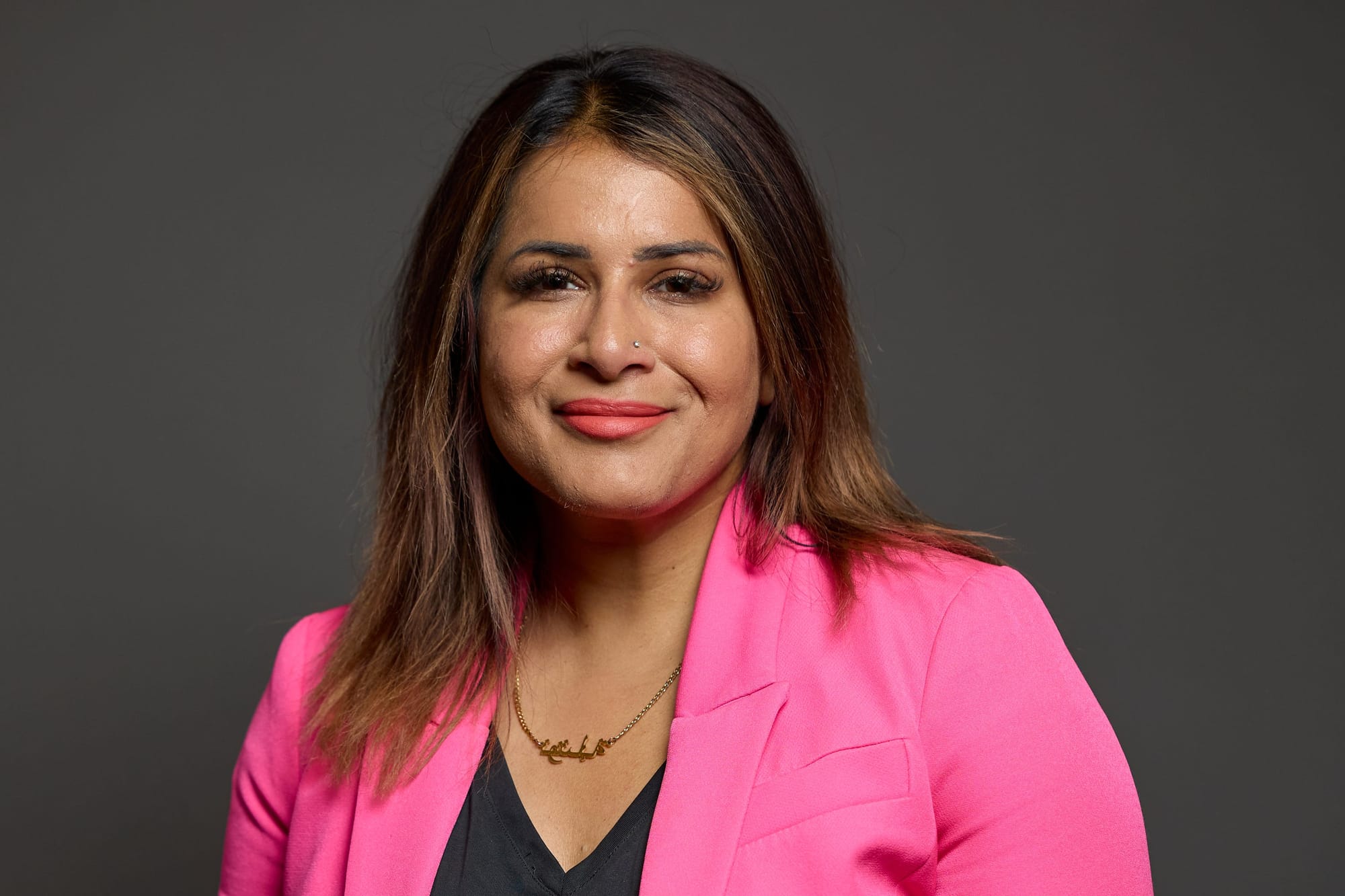
In December last year, after months of personally campaigning for tougher regulations, Medway Council approved an Article 4 Direction to enforce tighter restrictions on future Houses of Multiple Occupation (HMO) conversions. This was a necessary and significant step in a longer-term mission to deliver better quality housing and stronger communities across Medway.
For some months now, the impact of rapid HMO expansion across our area has undoubtedly become one of the most frequently raised concerns by constituents in Gillingham and Rainham. I have had numerous meetings with residents, community groups and concerned neighbours due to the sheer scale and pace of new applications, which are unlike anything we have seen before.
Throughout our community, traditional family homes are increasingly being converted into high-density accommodation. Properties are often subdivided into small, individual units designed to house seven or eight people under one roof. In reality, it is difficult to distinguish these developments from bedsits, raising understandable concerns about the quality of the housing being created and the long-term impact on neighbourhoods.
The consequences of this rapid expansion, for local residents, are increasingly hard to ignore. Constituents regularly report growing volumes of on-street rubbish and worsening parking congestion, placing added pressure on straining local services. There can also be increased risks of antisocial behaviour.
In many cases, these properties are being used to house vulnerable individuals relocated from outside our area, particularly to meet the temporary accommodation demands of London authorities. This practice is quietly but steadily reshaping the character of our streets, often without sufficient infrastructure, support services, or community integration in place.
Unfortunately, despite the scale of development, this recent surge in HMOs has done little to address our genuine local housing needs, of which there are many. Instead, it has opened the door to opportunistic investors seeking quick financial returns, with little long-term commitment to the town or its people.
I have had multiple frank exchanges with such developers, outlining the concerns of residents and my personal opposition to their motives, which are driven by profitability over community cohesion. Our home has become an explicit target for this practice, largely because it meets a specific set of commercial criteria. It offers the right type of housing stock, high demand for rental accommodation, comparatively limited regulation, and direct transport links to London.
Let me be clear - I am not opposed to all developments of this nature, but when my hometown is being jokingly advertised as prime HMO real estate where the “streets are paved with gold,” it deeply angers me. Investment companies have gone so far as to market Gillingham as a “strong, low-barrier opportunity for HMO investment.” This language makes it abundantly clear that profit, rather than community well-being, is often the primary motivation. That is why obtaining stronger regulation at a local level was vital.
Having lived in an HMO myself, I fully recognise that shared housing can be a legitimate and valuable option. HMOs can serve students, young professionals, and those at earlier stages of their housing journey, offering flexibility and affordability when managed responsibly. There are good examples of HMOs working locally, with responsible and decent landlords who care about their tenants' living standards and the impact of their business on the community. When effectively regulated, well-maintained, and thoughtfully integrated into the wider community, HMOs can and do play an important role within our housing system.
The difficulty, particularly in Gillingham, however, lies in their sheer concentration and unchecked expansion. Prior to Article 4 Direction, HMOs were appearing at a rate far faster than our community can reasonably absorb, and this level of growth was becoming unsustainable. I have spoken to tenants, landlords and neighbours alike. All asked for reform and tighter regulations.
Gillingham already faces complex social and economic challenges. Concentrating large numbers of highly vulnerable residents in one area, without the necessary planning or support, undermines social cohesion and makes it far harder to build balanced, mixed communities. Rather than alleviating existing pressures, this approach risks exacerbating them and creating environments in which problems become more entrenched and residents become more divided.
This debate is not about opposing HMOs outright. It is about ensuring that the right legislative and planning frameworks are in place to manage them effectively and responsibly. During my time as a Medway councillor, I consistently called for additional and selective licensing schemes to improve standards in smaller shared rental properties that fall outside mandatory HMO regulations. Medway Council will now be implementing these new licensing restrictions going forward.
While welcome, licensing alone was not enough. That is why I fought to obtain Article 4 Direction for our community, and I am glad that Medway Council have listened to residents on this issue.
This planning mechanism removes automatic permitted development rights for converting family homes into HMOs, ensuring that all future proposals are subject to a fully scrutinised planning process. This gives the local authority greater control over the number and location of HMOs, helps protect much-needed family housing, and ensures that new developments genuinely reflect local housing requirements rather than speculative investment trends.
The proliferation of HMOs is, ultimately, a symptom of a much deeper housing crisis affecting communities across the country. Rising costs, a shortage of genuinely affordable homes, and increasing reliance on temporary accommodation have made the dream of home ownership feel increasingly out of reach for many. For residents across Gillingham and Rainham, this is a frequent and common concern.
Britain’s housing crisis is one of the biggest political challenges of modern times. That is why I back the government’s plan to build more social and affordable housing. While we have already strengthened renters’ rights, we must build the next generation of homes for the future. In turn, this will bring investment, jobs and security to our communities.
However, in the process of repairing Britain’s housing system, it should not fall on towns like Gillingham and its residents to shoulder a disproportionate share of the burden. Our communities deserve thoughtful planning, fair regulation, and housing solutions that put people before profit. Article 4 Direction is an important step towards achieving this.
Naushabah Khan is the MP for Gillingham and Rainham.