Ambulance service criticised after secret Medway filming
Plus inspection finds Medway A&E still not good enough, councillor allowances admin errors, news in brief, and more

Medway’s emergency services are back under the microscope this week, with ambulance leaders hauled before councillors after a covert Channel 4 documentary exposed issues, and Medway A&E once again told it still isn’t meeting the mark. Even the normally uneventful councillor allowances list arrived with its own mini-mystery. Add in a devolution push, school changes, new shops, planning bids and an excellent showing from Medway’s very good dogs, and there’s plenty to catch up on. Let’s get started.
Ambulance service criticised after secret Medway filming
South East Coast Ambulance Service (SECAmb) has come under fire from Medway councillors after a Channel 4 documentary exposed long waits and strained decision-making inside the area’s main 999 control room.
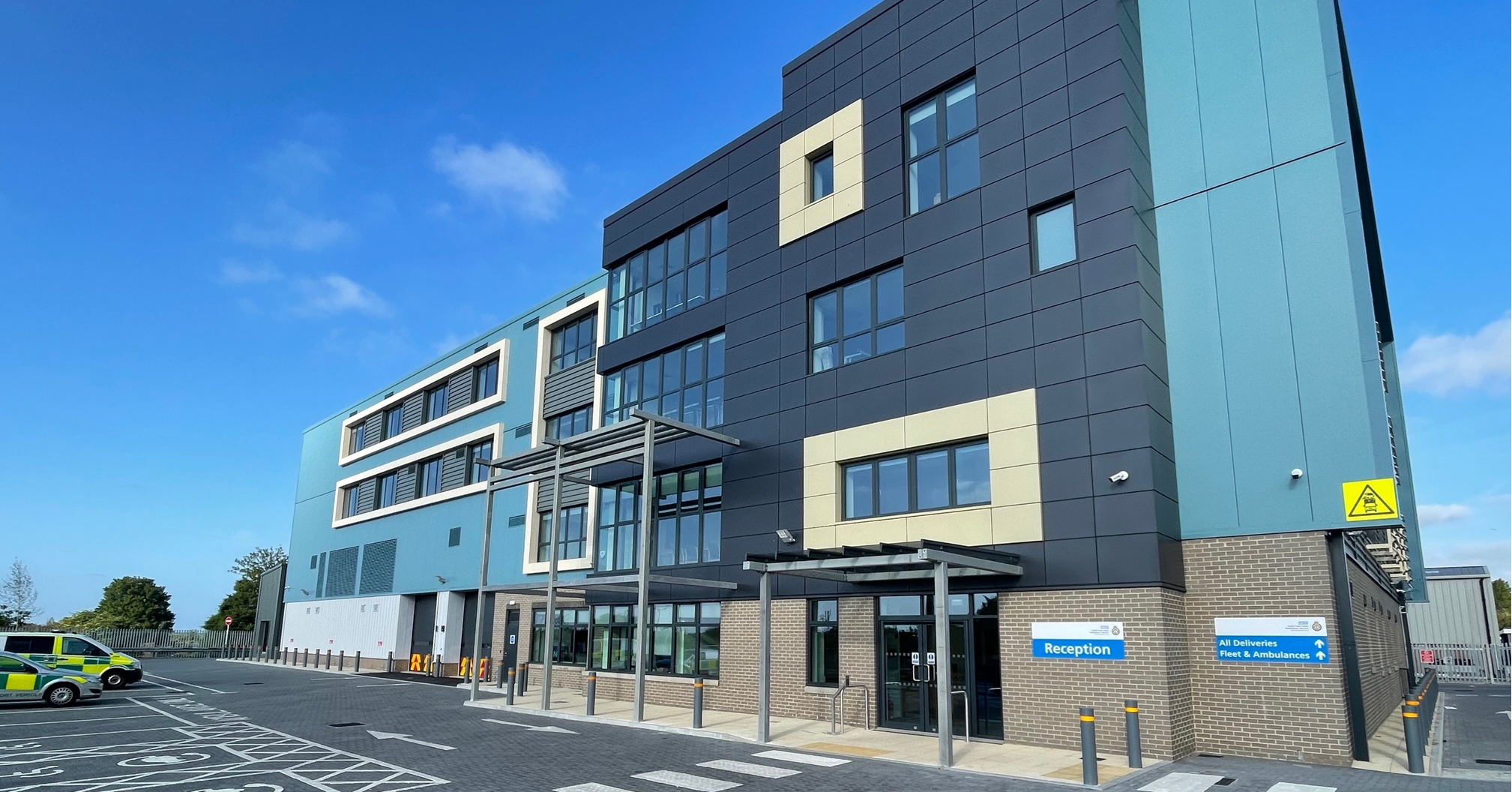
999 Undercover: NHS in Crisis, broadcast in October, included secretly recorded footage from inside the Medway Make Ready Centre in Gillingham. An undercover journalist worked there between May and July, documenting the pressures on call handlers and the delays some patients experienced while awaiting an ambulance.
You can watch the full documentary below:
SECAmb has since confirmed it had no idea the filming was taking place and was not shown the programme in advance. In a statement issued on the day of broadcast, the trust said it took any breach of confidentiality “extremely seriously” and stressed staff and patients filmed without consent had been anonymised.
The trust said it remained “extremely proud” of its call-centre teams. Still, it acknowledged that some patients “are waiting longer for an ambulance response than we would want or expect,” adding that it was working to improve performance amid rising demand.
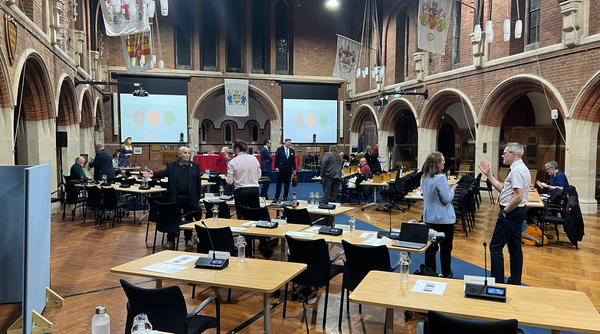
Those reassurances did not satisfy councillors at last week’s Health and Adult Social Care Overview and Scrutiny Committee, where SECAmb faced criticism for the tone and focus of its public response.
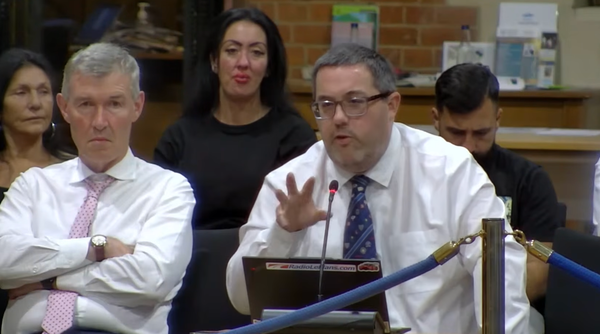
Labour councillor David Field said the trust’s approach was “defensive,” accusing it of “not looking at the issues being raised, instead seeking to disparage public service journalism and whistleblowing.” He asked whether this was “a symptom of a defensive culture that is seeking to avoid blame,” later adding that problems of this nature “seem like this is happening quite often and over a long period.”
SECAmb’s strategic partnerships manager, Daryl Devlia, rejected the suggestion that the trust was being defensive, saying the investigation into the covert filming was “highly sensitive in nature” and meant they could not answer questions about the specifics until it concludes.
Associate director of strategy and partnerships Matt Webb told councillors the internal inquiry was examining patient-data protection, staff wellbeing, and public confidence, and that the trust was working with the Information Commissioner’s Office. He said there was “no evidence of patient harm,” and offered to return early next year to provide a fuller update once the investigation is complete.
Webb also said “it’s clear there has been a breach of trust,” but insisted that “any premature detail could compromise the investigation that’s ongoing.”
Not all councillors were critical. Conservative David Wildey praised the professionalism of ambulance crews based on his own experiences. But others pressed the trust on the issues raised in the programme itself rather than the filming of it.
Conservative leader George Perfect said he was “more worried about the service that our residents are receiving,” and asked SECAmb to return with a detailed presentation on the issues revealed in the documentary.
Labour chair of the committee Dan McDonald raised concerns about staff being shown telling callers ambulances were being dispatched when they were not, one of the most troubling sequences in the programme.
The most recent NHS data does little to ease concerns. In October, SECAmb recorded a mean Category 2 response time of 28 minutes 11 seconds, with one in ten patients waiting nearly an hour. Category 2 calls include strokes and some heart attacks, the type featured heavily in the documentary.
Category 1, the most critical incidents, averaged 8 minutes 24 seconds, above the seven-minute target. Lower-acuity categories showed the service meeting targets, with Category 3 calls averaging just over two hours, while Category 4 reached more than 2 hours and 20 minutes, though the longest waits stretched beyond five hours.
The figures underline the gap between the trust’s stated improvements and the reality experienced by patients and call handlers. For councillors, they also reinforce why the content of the Dispatches documentary, not just the filming method, has struck a nerve.
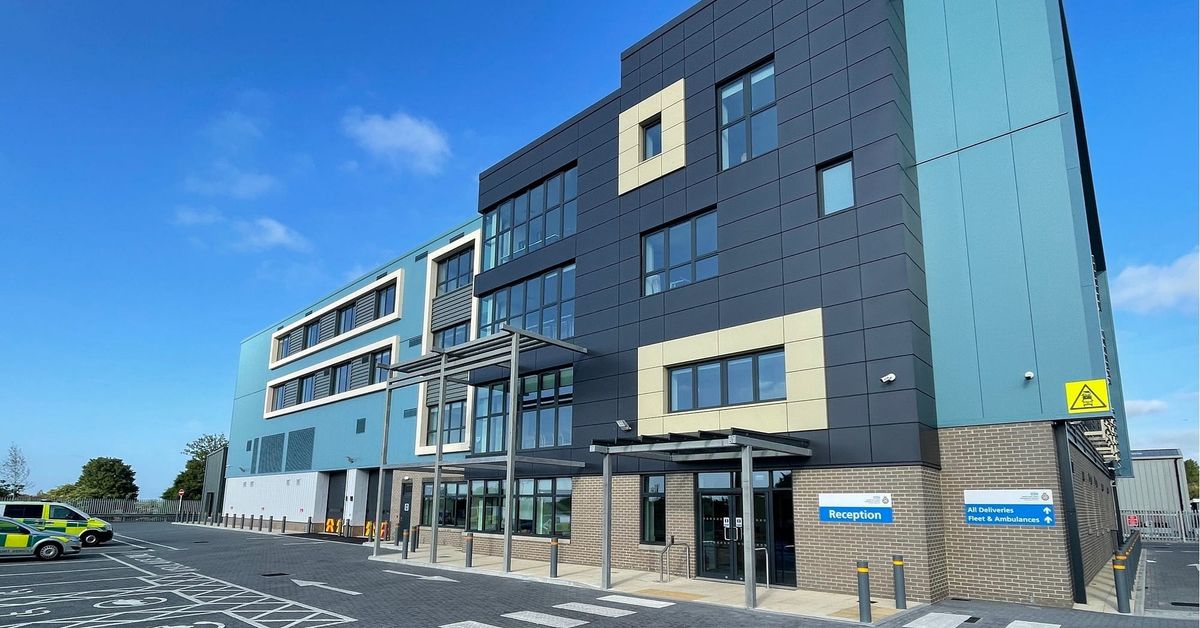
The scrutiny comes just over two years after the opening of the Medway Make Ready Centre, the large Gillingham complex that houses the 999 control room, an NHS 111 call centre, and vehicle preparation facilities. When it opened in June 2023, SECAmb described the site as the first in the country to bring 999 and 111 services together, promising greater efficiency, modernised facilities, and increased resilience.
Crews who had previously started and ended shifts in Chatham relocated to the new centre, with the trust presenting the building as a significant upgrade to its operations in the east of its patch.
The Dispatches documentary has cast a harsher light on how that system is performing under strain. While SECAmb says it has made progress since its critical CQC inspection in 2022 and is pushing to meet national targets, the footage suggests that call handlers continue to face long periods where demand outstrips capacity.
The trust’s investigation into how the covert filming took place is expected to conclude in January. Councillors, however, made clear that their priority is not the documentary’s methods, but what it revealed about the service thousands of Medway residents rely on in an emergency.
As Field put it during the meeting, the question now is whether the trust is prepared to confront the issues raised rather than the way they were exposed.
Inspection says Medway A&E still not good enough
Medway Maritime Hospital’s A&E has once again been rated ‘requires improvement’ after a Care Quality Commission inspection in April, with inspectors warning that patient safety and dignity are still not consistently protected when the department becomes overwhelmed.
The CQC returned to Medway to follow up on a Warning Notice issued in April 2024, when the service was also rated as requiring improvement. The trust has since met the requirements of that notice and “safe” has improved from inadequate to requires improvement, while “well-led” has been upgraded to good. But the overall rating for urgent and emergency care remains requires improvement, and when combined with previous inspections of other hospital services, Medway Maritime Hospital as a whole also remains requires improvement.
Inspectors said the department continued to struggle with patient flow into the wider hospital, resulting in periods when the escalation procedures failed to protect people’s privacy or dignity. Some patients were moved into temporary areas unsuitable for care, and others faced long waits while basic risk assessments were not completed. The service was already in breach of legal regulations relating to dignity, respect, and safe care; although improvements were noted, it remains in breach of both.
Roger James, the CQC’s deputy director of operations for Kent and Medway, said inspectors found a department “under significant pressure,” with staff not always able to provide timely treatment or maintain people’s dignity. More than 50 people were spoken to during the inspection. Some described deeply unsatisfactory experiences caused by excessive noise, poor access to staff, and being treated in unsuitable spaces during the busiest hours.
Between May 2024 and April 2025, 13% of patients waited more than 12 hours for treatment. Only 55% were assessed within 15 minutes of arrival. Staff did not always record or review people’s pain levels, leading to some patients remaining in discomfort for long stretches, and medicine administration was not consistently safe. Consultant cover also fell short of national guidance.
Despite this, the watchdog highlighted areas of progress. Ambulance handovers remain among the best in the country. Sepsis treatment continues to meet national standards. Infection control compliance sits at 98%. Staff described improved culture and teamwork, with a new programme underway to address aggression and support wellbeing. Inspectors said that where staff had time and space to deliver care properly, people felt well supported.
Interim chief executive Jonathan Wade said staff were “determined” to improve further but accepted that too many patients still experience delays and inconsistent standards of care. He apologised to anyone waiting longer than they should for a ward bed or who did not receive the care they expected. He added that the trust had since recruited more emergency nurses and doctors, introduced procedures to accelerate specialist assessments and tests, and added extra senior oversight to ensure risk assessments and medication checks are completed on time.
Wade also highlighted the expansion of the trust’s virtual ward service from 80 to 120 beds, now running 24/7. The trust says this helps reduce pressure on the Emergency Department by enabling more people to be cared for at home through remote monitoring and home visits from the SMART (Surgical, Medical and Acute Recovery Team) team. Medway describes this as the first step toward a fully fledged 200-bed “virtual hospital.”
The CQC has ordered the trust to submit a detailed action plan to address the ongoing breaches. Inspectors say they will continue to monitor the service closely, so it’s likely the hospital will be receiving another visit in the near future.
Medway allowances and the mystery of the administrative errors
Medway Council’s annual allowances list is normally a peaceful affair, with rows of familiar names and predictable numbers. This year, though, the notice arrived with an unexpected tease: a mysterious ‘Note 3’ citing ‘administrative errors,’ without elaboration. Naturally, we asked what went wrong. Naturally, the answer was wonderfully anticlimactic.
The headline is that the basic allowance for a full year should be £12,098. But a sizeable group of councillors, 22 in fact, were all underpaid by £624 during 2024/25. The council says all of them will have received the missing amount in the current financial year, bringing them back to where they should have been all along.
The administrative hiccup doesn’t end there. Three councillors also weren’t paid the £46.53 they were due for attending Licensing Hearing Panels, which will be corrected too. One councillor was overpaid by the rather manageable sum of £36, which will be reclaimed. All of those affected were informed before publication, though presumably without the need for a sombre press conference or an emergency committee.
With that mystery solved, the rest of the list returns to the usual rhythms: backbenchers clustered on the standard allowance (now that we know which ones were short-changed), cabinet members drawing responsibility payments in the £14–18k range, and the leader Vince Maple and deputy Teresa Murray on £36,294 and £24,196 respectively. Travel and subsistence claims remain close to zero.
In the end, it’s all relatively harmless stuff. Small sums, quickly corrected, and hardly the stuff of high drama. But there is something gently amusing about a council where the year’s most significant allowances hiccup amounts to a few missing panel fees and a £36 overpayment.
In brief
🗣️ All 14 council leaders in Kent have come together to lobby the government for a devolution deal after initial efforts were rejected.
🇵🇸 Medway Council has flown the Palestinian flag over Gun Wharf to mark the UN’s International Day of Solidarity with the Palestinian People.
🗄️ Plans have been submitted to convert the former Grandma Thai restaurant in Rochester into two homes.
🛒 Aldi has received planning permission to open a new store on Maidstone Road in Chatham on a former St John Fisher school site.
🏫 Walderslade School and Greenacre School could combine to become a single mixed-sex school under plans put forward by the Beyond Schools Trust.
🪚 Robert Taylor has won Shedder of the Year for his work with the Medway Men In Sheds group, which aims to tackle social isolation and improve mental health.
🐕🦺 Medway Hospital now has 13 dogs on its Pets as Therapy Team, and they are all Very Good Dogs.
More Authority
Cllr Louwella Prenter, Medway Council Portfolio Holder for Housing and Homelessness, spoke to us about housing, homelessness, Love Gillingham and why being a YIMBY doesn’t mean harming the local environment in our weekend interview:
 Steven Keevil
Footnotes
Have a Medway story you think we might be interested in? Get in touch via hello(at)localauthority(dot)news - We’re always happy to talk off the record in the first instance…
Follow us on social media! We’re on Facebook, Instagram, BlueSky, and Threads, but not that other one.
If you enjoy Local Authority, please share it with your friends, family, associates, and even your enemies. We have no meaningful marketing budget, so we rely on word-of-mouth from our readers to find new ones. You can even get some sweet, sweet rewards for sending new readers our way. Details here.