Labour councillors raise red flags over Medway’s Local Plan
Plus Ofsted’s inspection of children’s services and Medway’s on alert Kent’s water network comes under strain

Today, we look behind the council press release on Medway’s new Local Plan to examine the objections now sitting on the public record, including warnings from Labour councillors who say the document is unsound and not legally compliant. We also report on Ofsted’s latest verdict on children’s services, and how Medway was placed on standby as water supply failures spread across Kent during a difficult winter for the county’s water network. Let's get to it.
Labour councillors warn over the Local Plan that will reshape Medway
Medway Council says the submission of its Local Plan to the government is a “milestone moment” that puts “community at the heart” of how the area will grow over the next 15 years.
Behind the press release, however, sits a more complicated picture.
The council has sent its flagship planning document to the Planning Inspectorate for examination despite formal objections from two Labour councillors in the ruling administration, both of whom represent Strood. One says the plan is unsound and based on flawed housing numbers. The other says it is not legally compliant and exposes the council to risk under equality law. One of them has refused to explain his position to residents via the local press, accusing journalists of spreading “untruths and lies” and demanding that they stop contacting him.
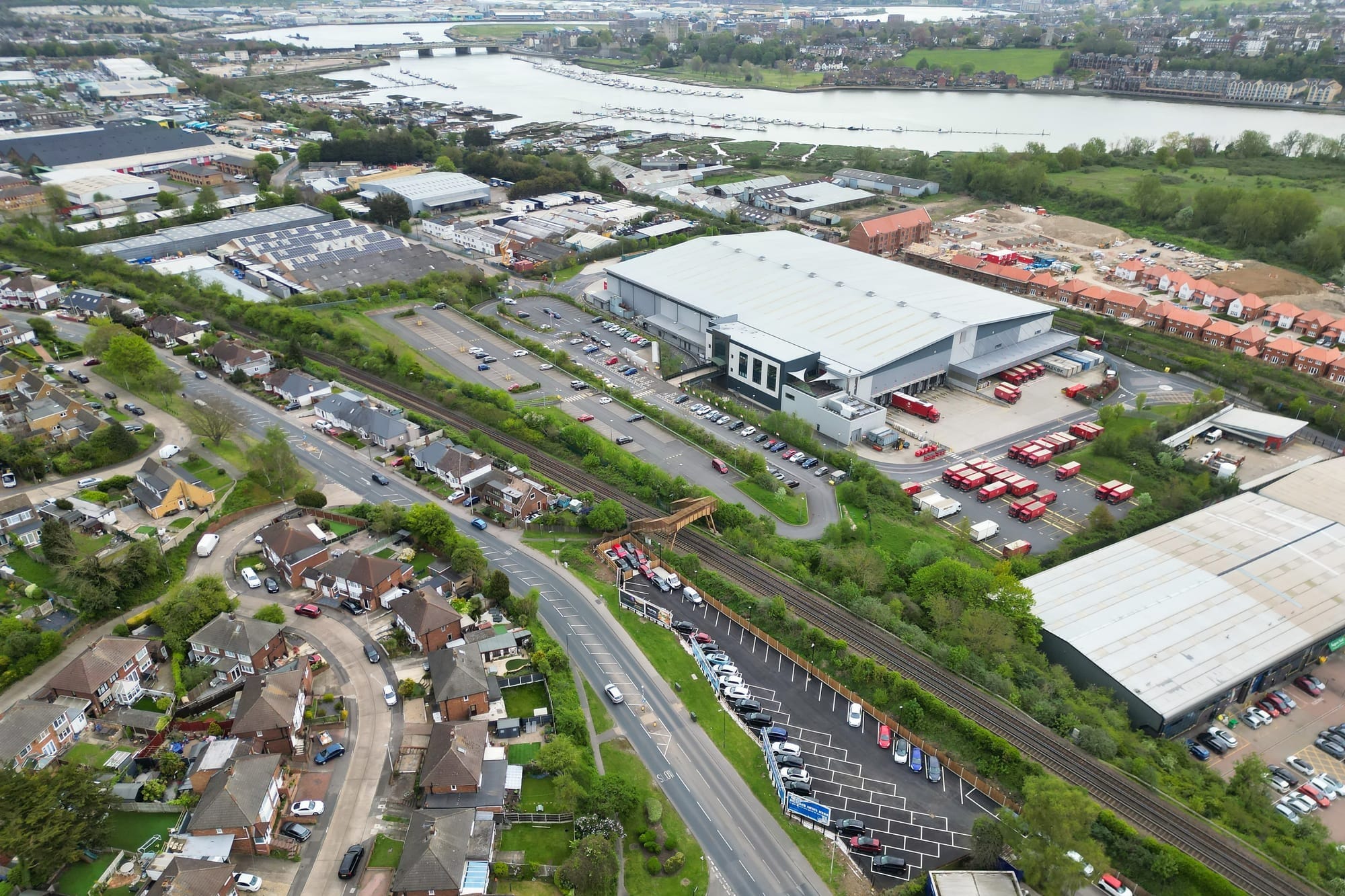
The Local Plan will shape where more than 26,000 new homes are built, which green spaces are protected, and how Medway changes between now and 2041. It is the most important policy document the council produces.
It has gone to inspection with known objections on the public record, and at least one councillor has warned that issues raised internally were not resolved before submission.
One of the councillors to have formally objected is Cllr Stephen Hubbard, Labour councillor for Strood North and Frindsbury.
During last summer’s Regulation 19 consultation, Cllr Hubbard submitted a series of formal objections to the draft Local Plan, covering multiple chapters and policies. In several of them, he stated that the plan was not legally compliant, not sound, and failed the duty to co-operate.
His objections focus on the release of land in Strood’s green belt for major housing development, which he says represents a significant change from earlier drafts of the plan at Regulation 18, where green belt land had appeared to be safeguarded. He argues that the policy shift was unsupported by the previous evidence base, that the review of the green belt was rushed, and that the residential-led site allocation numbers contain errors.
In one submission, he says the designation of Strood’s green belt as a residential-led site allocation is “the flaw in the plan,” adding that the housing numbers exclude the 130-home Commissioners Road quarry development and that the site allocation schedule “requires a full review.” In others, he says the green belt proposals “came out of the blue,” represent a sharp departure from the council’s previous policy position, and would increase Strood by nearly a third.
“This massive hit on Strood’s infrastructure is unacceptable,” he wrote. “The removal of Strood’s green lung will cut off residents’ access to the countryside’s open and green spaces.”
These are not casual comments. Regulation 19 representations are made directly to the Planning Inspectorate and go to the heart of whether a Local Plan is considered sound and legally compliant.
Hubbard has been critical of elements of the plan from an early stage, and his objections were consistent with that position. When Local Authority contacted him to ask why he believed the Strood green belt allocation represented a fundamental flaw in the plan, whether the omission of the Commissioners Road development not being included pointed to wider problems with the site allocation numbers, and how his objections fitted with the plan being approved for publication by full council, he refused to engage.
Instead, he accused the local press of spreading “untruths and lies” about him in the past, referring specifically to an email sent by Local Authority in February 2024 where we requested comment regarding his suspension from the Labour Party, and told us not to contact him again.
When it was pointed out that asking an elected councillor for comment on a major policy decision is normal journalistic practice, and that the earlier email simply referenced a BBC Radio Kent report and sought his right of reply, he reiterated his position.
“I asked you not to contact me again. Please respect my wishes,” he wrote.
That leaves a councillor who has formally challenged his own council’s Local Plan on legal and soundness grounds on the public record, but who is unwilling to explain that position on the public record.
Local Authority subsequently sought clarification from Medway Labour’s leadership about the exchange.
In response, the Medway Labour & Co-operative Group said it was “fundamental for democracy that all members of the press have the right to approach any elected member” for comment, adding that while individuals may choose not to respond, this would be reported transparently.
Hubbard is not the only Labour councillor in Strood to have formally objected.

Cllr Satinder Shokar, who represents Strood West, also submitted a Regulation 19 representation. His objection focuses on Policy T10 and the council’s approach to Gypsy, Traveller and Travelling Showpeople provision.
Shokar stated that the plan is not legally compliant, not sound, and fails the duty to co-operate. He says it does not allocate any of the required sites for the Gypsy, Roma, and Traveller community, has not taken the recommendations of the council’s own Gypsy and Traveller Accommodation Assessment on board, relies on the expansion of existing sites that will lead to overcrowding, and has failed to assess the needs of GRT families living in bricks and mortar who are seeking pitches.
He concludes that the plan has not treated this community fairly in meeting its needs.
Shokar has a long-standing record of advocacy on GRT issues, and his objection is consistent with that work. What makes his position notable is that he voted in favour of the plan.
At the special full council meeting in June 2025, Medway Council voted to approve publication of the Regulation 19 Local Plan and to submit it for examination. Shokar voted in favour. Hubbard did not attend. No Labour councillor voted against, and there was no recorded dissent within the ruling group.
The plan passed on a recorded vote and was presented as the council’s settled position.
Asked by Local Authority why he voted for a plan he later told the government was legally flawed, Shokar said he had raised his concerns internally but understood that the council would not be able to address them in time.
“I did raise these concerns but understood that the council weren’t going to be able to address them in the time scale needed to keep the plan on track,” he said. “I received assurances from the portfolio holders that these will be rectified. I was happy with the rest of the plan, so on this basis voted for it.”
He also warned that Romany Gypsies, Irish Travellers, Roma and Scottish Travellers are recognised ethnic groups, and that public bodies have duties under the Equality Act 2010 and Human Rights Act 1998.
“Should the Council not put in place adequate service provision for the GRT, there is a risk of failing to provide for all parts of the community and not comply with the Equality Act 2010,” he said.
The full council decision also delegated authority to the Director of Place, in consultation with the portfolio holder, to prepare any addendum required to address soundness issues raised through consultation, and to agree and consult on any modifications arising from the examination.
The official narrative, set out in the council’s press release announcing submission, presents a much tidier picture.
“This moment has been many years in the making, and its importance for Medway today and in the future cannot be overstated,” said council leader Cllr Vince Maple. “Community sits at the heart of the Local Plan.”
Portfolio holder Cllr Simon Curry described it as a “milestone moment” and thanked officers, councillors and residents for their work.
The consultation record shows a more complex reality.
Two Labour councillors from Strood, both members of the administration, have told the Planning Inspectorate that the plan is unsound and not legally compliant. One says it is based on flawed site allocations and housing numbers. The other says it fails national policy on GRT provision and carries equality law risk.
Neither position prevented the council from submitting the plan.
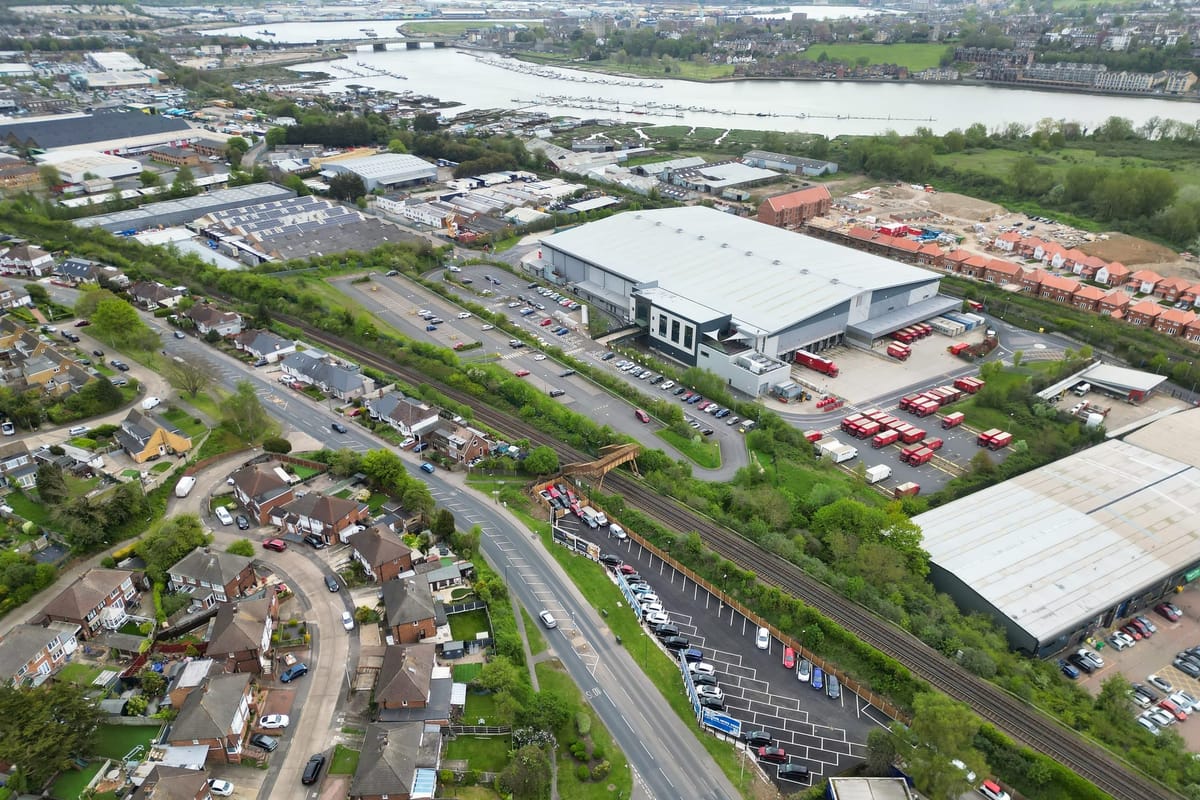
Strood is one of the areas facing the greatest development pressure under the Local Plan. The strategy proposes major growth to the west of the town, including the release of green belt land, alongside large-scale regeneration of the centre and riverside. It is perhaps not surprising that this is where the sharpest questions have been raised.
The Planning Inspectorate will now examine the Local Plan, consider all representations, and decide whether it is legally compliant, sound, and capable of being adopted.
For residents, that process will determine whether the document shaping Medway’s future for the next 15 years is built on firm foundations or whether the objections now on the public record were right all along.
Help us start strong in 2026. Local Authority can only exist because some of our readers pay to support it. If you value our journalism, please consider joining them. An annual subscription costs just £1.15 per week and helps us build a better way of telling the stories that matter to our towns.
Ofsted gives Medway children’s services a thumbs up, with caveats
Ofsted inspectors have given Medway Council’s children’s services a largely positive verdict following a focused inspection last autumn, praising leadership, frontline social work and investment in children’s homes, while warning that some vulnerable children are still missing out on essential support.
The watchdog’s visit in November looked at how children are placed into care, how decisions are made about their futures, and how the council supports children at risk of exploitation or going missing.
Inspectors found that most children in care are living in stable homes, supported by social workers they trust and who know them well. They said children are coming into care at the right time, when it is in their best interests, and that decision-making is timely and well overseen.
They also highlighted strong oversight from Independent Reviewing Officers, a more stable permanent workforce and significant investment in council-run children’s homes, helping to reduce reliance on unregistered placements.
But Ofsted warned that the quality of care planning is still inconsistent, meaning some children’s needs are not being met as quickly or as well as they should be. A small number of children placed outside Medway were found not to be getting all the support they need, particularly around access to specialist health services, education and emotional wellbeing.
Inspectors also raised concerns about inconsistent use of risk assessment tools for children who go missing or are at risk of exploitation, limiting social workers’ ability to intervene as effectively as possible.
Medway Council said the report shows the authority is making good progress, but accepted there is more to do. The Conservative Group said the findings reflect work carried out under the previous administration and criticised NHS Kent and Medway for continued delays in carrying out health checks for children entering care.
Ofsted said the findings will feed into Medway’s next full inspection, due in 2027.
Medway placed on standby as Kent water failures spread
Parts of Medway were placed on alert over the weekend after storms, freezing weather, and a regional power outage pushed Kent’s water network to the brink.
The warning came as Kent County Council declared a major incident following widespread supply failures across the county. Around 30,000 properties across the southeast have been affected, with Kent still experiencing outages or low pressure, including in Tunbridge Wells, Canterbury, Maidstone and Headcorn. Several schools have closed, and bottled water stations remain open across the county.
In Medway, bottled water stations have been set up at Asda near Rochester Airport and Hempstead Valley as a contingency measure, but are not currently operational.
The disruption has been blamed on a combination of Storm Goretti, freezing temperatures, burst water mains, low reservoir levels and a power cut at one of South East Water’s pumping plants. The cold snap triggered a surge in leaks across the network, draining storage tanks and reducing the company’s ability to treat water at normal levels. The latest failures come just weeks after 24,000 homes in Tunbridge Wells and surrounding villages were left without water for nearly two weeks before Christmas.
Against that backdrop, Southern Water placed Medway, Boxley, Sittingbourne and Thanet on alert after heavy rain and a power outage left local reservoirs under pressure. Engineers were sent to Matts Hill Water Supply Works after rain made the raw water too cloudy to treat safely, forcing the site to be restarted gradually under close monitoring.
Southern Water said properties in Chatham, Rochester, Walderslade, Lordswood, Gillingham, Rainham, Hempstead and Bredhurst were among those considered at higher risk if demand remained high, although no customers ultimately lost supply. Vulnerable residents on the Priority Services Register received bottled water as a precaution, and tankers were used to move water around the network to stabilise supplies.
By Monday afternoon, the company said all affected sites were running again, and the network was stable, though it warned that the risk of disruption had not fully disappeared.
For Medway residents, taps are flowing for now. But after a winter of repeated failures elsewhere in Kent, the margin for error across the county’s water network is looking increasingly thin.
Footnotes
Follow us on social media! We’re on Facebook, Instagram, BlueSky, and Threads, but not that other one.