“I'm quite a notorious fan girl of Natalie Haynes”
What Steven asked Moira Mehaffey, Classics teacher, Local Authority reviewer, and Medway River Lit host
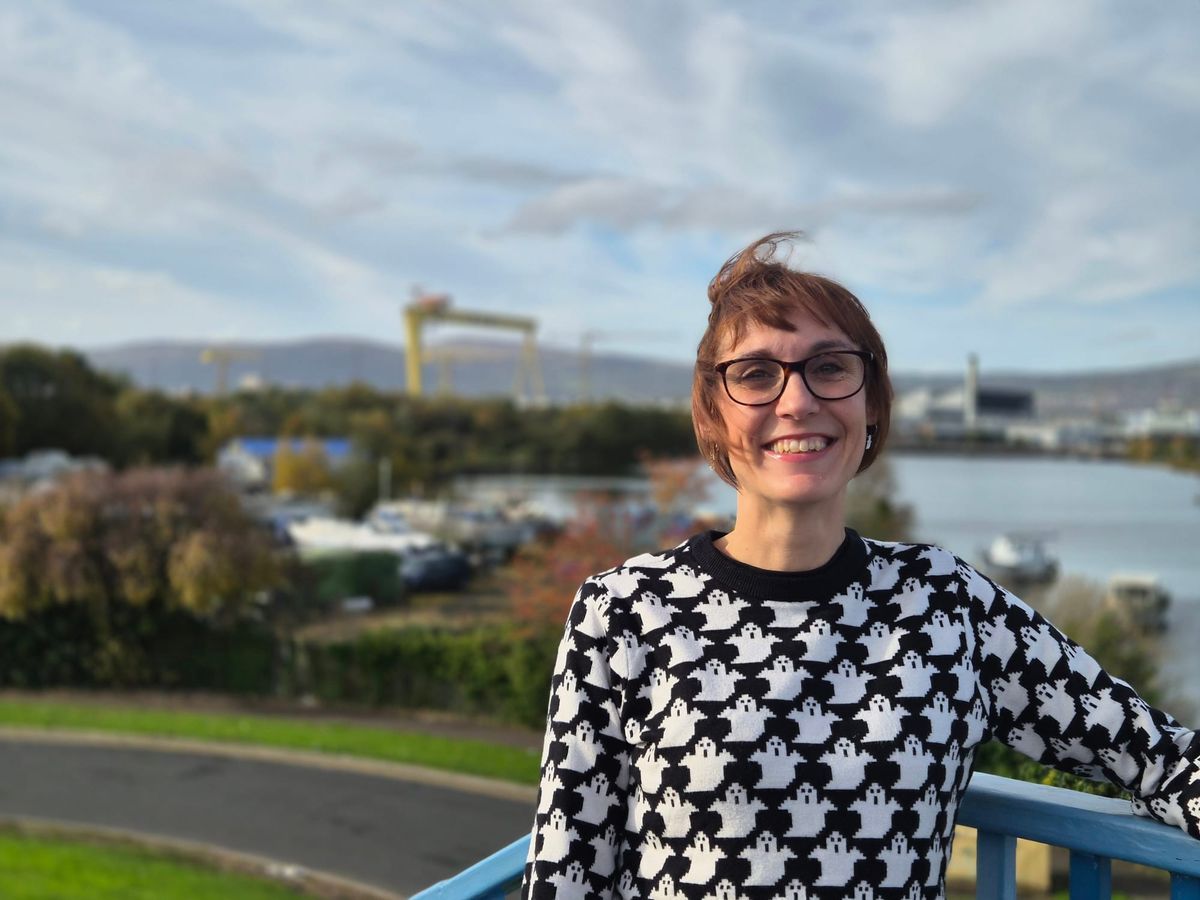
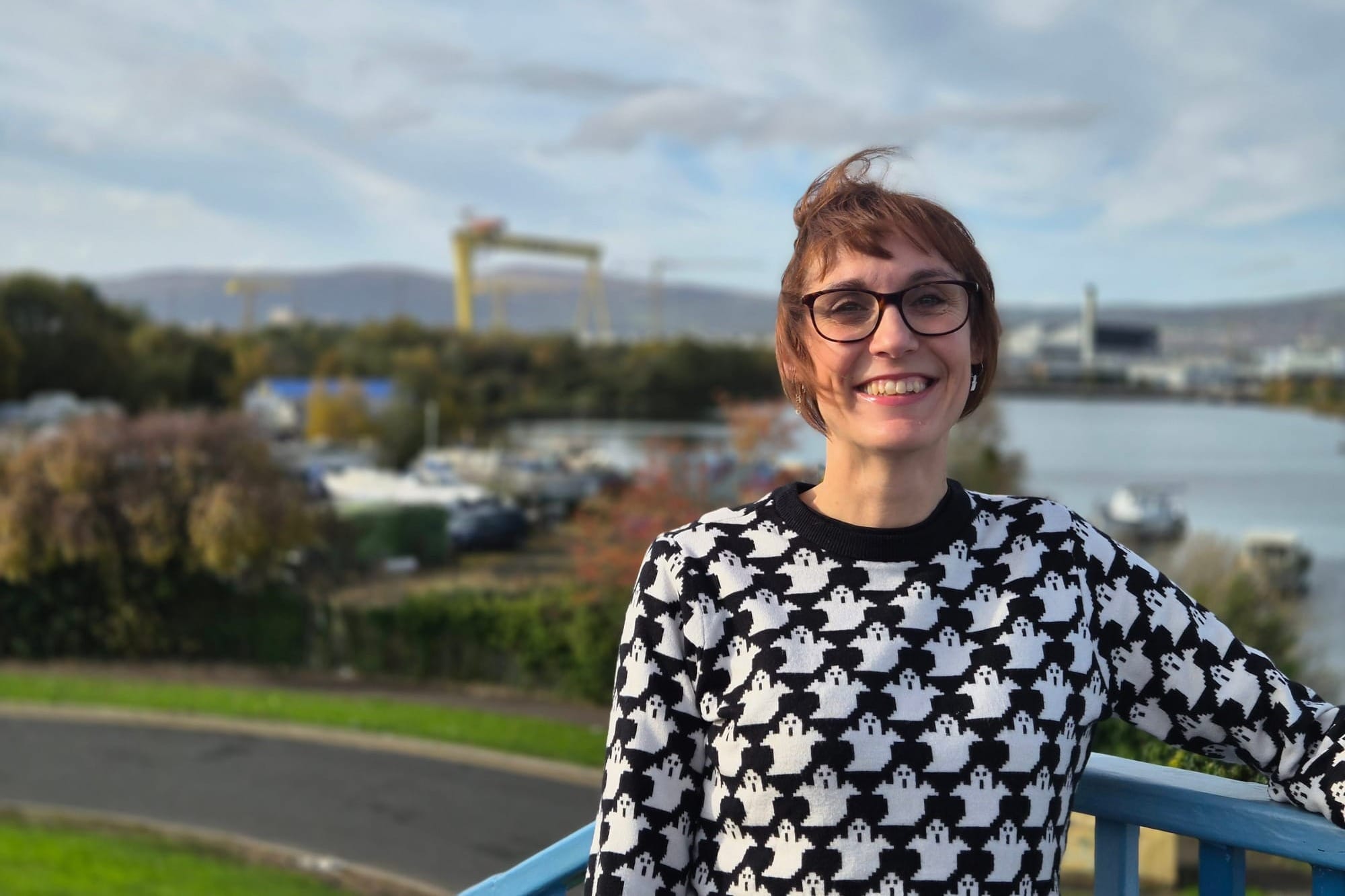
Medway River Lit has a packed programme of events, including an appearance by Natalie Haynes at Chatham Library to discuss her retellings of classical myths. Steven met Moira Mehaffey, who will be interviewing Haynes, to discuss why the classics still have a place in modern life, what she looks for when reviewing theatre for us, and the prospect of a united Ireland.
What is your official occupation?
Teacher of history and classical civilisation.
Do you have any other roles, paid or unpaid?
At work, I'm also the Oxbridge mentor.
What does that entail?
That entails helping students prepare for applications to Oxford and Cambridge, supervising personal statements, facilitating practice interviews, open days. All the support they need.
Outside of school, do you have any unpaid or paid roles in the community?
Not officially. Nothing.
Well, of course, you're a reviewer for Local Authority.
I also run a craft club and a book club, but these are all obviously unpaid.
You're hosting an event at Medway River Lit. What do we mean by 'classics'?
Classical civilisation refers to usually ancient Rome, ancient Greece, but also ancient Egypt, so it covers early civilisations.
The study of classics isn't necessarily the study of the languages, although you can, within that field, obviously study Greek, Latin and hieroglyphics.
But the discipline that I'm involved with professionally, and have an interest in, is the understanding of the history and the literature of those ancient civilisations together. Trying to use the literature to understand the context of the time.
What the concerns of the times were, the attitudes of the times, and finding those parallels in modern life and the origins of things that we have.
What texts are currently being studied in Classics?
I teach a unit on Greek theatre. We study two Greek tragedies, Oedipus Tyrannus and The Bacchae. We study a Greek comedy, which is Aristophanes' The Frogs.
The other unit that is part of the A-level is called the World of the Hero. That's approached through a study of The Odyssey and The Aeneid.
Then there are history units which are taught through classical histories as well.
Are you studying them in the Greek?
No, we're studying them in translation.
From a classicist point of view what makes a good translation?
I think it needs to be accessible, but also it needs to not fall into the trap of trying to put modern attitudes onto it.
It's important that you understand that some of the characterisation of women is not necessarily going to be comfortable for people in modern times. We're talking about societies with slavery in them, and attitudes towards slavery are going to be perhaps quite shocking to people today.
I think when you're reading the plays and the poetry, there is also a metre to them which is in the original Greek. It's trying to recapture the patterns and rhythm of the language in translation. That is another important part of it, because you need to understand that a lot of these texts, like The Odyssey and The Aeneid, were meant to be recited.
The plays were obviously scripts for actors, but it is essentially an oral tradition. The aim is having the cadences as much as having the meaning, the concerns and almost the psychology of what was in the original productions.
You have mentioned The Odyssey. From a classics point of view, where do you stand on the recent Nolan film?
It was interesting. I think Christopher Nolan still wasn't quite sure what to do with the women in the film.
He does attempt to give them perhaps more agency than they really have in the original, but he's shied away from the point of view that Odysseus is involved in lots of relationships with women whilst Penelope appears at home, being patient.
Odysseus was helped quite a lot by both mortal and immortal females, and some of them were entirely absent.
I can say that the focus was on his torment as a leader of men who feels that he has failed his men, and some of those questionable decisions of leadership were there.
But he hadn't quite got the balance right as to how much Odysseus' heroism is reliant on female agency.
What is the event you're hosting for Medway River Lit?
I'm going to be hosting and interviewing Natalie Haynes, who is a lapsed stand-up comedian and classicist. She will be talking about her book, No Friend to This House, which was released last year, about the Argonautica, Medea and the relationship between Jason and Medea.
We will be talking about her other books, which have tended to be feminist retellings of myths. She writes fiction and non-fiction, and perhaps we'll be looking forward to her next book, which is about mythological creatures.
Certainly, I'll be interested to talk to her about her Radio 4 show, Natalie Haynes Stands Up for the Classics, a 30-minute programme in which she provides a comedy-based monologue on a classical theme, as well as having expert guests.
I've been in the audience for that show every year bar one. That is only because the tickets went out in March and I'd given birth in February. That was not convenient. But I've been in that audience with a broken foot. I've been in that audience in fancy dress on one occasion.
I think the radio show, and her way of opening up accessibility to the classics, making the modern parallels much more apparent and bringing out humour, has been putting scrutiny on the fact that so much scholarship of the 19th and 20th centuries was by male academics who tended to be of a public school background, Oxford, Cambridge educated, who therefore interpreted everything through the lens they were familiar with.
It's been refreshing to have someone with a different lens re-examine those original texts and piece them back together. We've got such fragmentary evidence for certain things, particularly for women in times long ago, that it really is a question of interpretation.
It's been interesting to have a voice there in the media who's putting that together from that fresher perspective.
I think she manages to find the bits of female rage quite often in those stories
How did you come to be hosting this event?
I'm quite a notorious fangirl of Natalie Haynes. I have read all of her books, and these are books that I've recommended and shared with other people.
Certainly, I've spoken to people quite a lot about the times I've been in the audience of the radio show. Barry Fentiman-Hall was aware of this fandom.
I have a mixture of trepidation and excitement.
When and where is this?
Chatham Library, 19 November. I believe it starts at 7.30, until about 9 o'clock.
Tickets are free, but people can donate, 'Pay What You Can', to the festival. There will be an interview between us and then a Q&A session. She will then be signing her new book, No Friend to This House.